
Diagnosing DISH
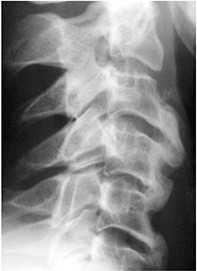
Diffuse idiopathic skeletal hyperostosis (DISH) is a common skeletal disease of unknown aetiology and is characterised by ligamentous ossification of the anterolateral spine. Forestier and Rots-Querol first reported this condition in a series of patients in 1948 and later named it senile ankylosing hyperostosis of the spine. It was apparent that it differed from ankylosing spondylitis and vertebral spondylosis. Over subsequent years it was also referred to as ankylosing vertebral hyperostosis and Forestier’s disease. In 1975, Resnick proposed the name diffuse idiopathic skeletal hyperostosis.
Single article purchases are temporarily unavailable due to site maintenance.
If you would like to purchase an article during this time, please email us at [email protected] with the article details and we'll assist you directly. We'll also let you know when online purchasing is available again.
Thank you for your patience and understanding.