
Peer Reviewed
Feature Article Ear, nose and throat medicine
Acute otitis media in young children: diagnosis and management
Recent articles on:
Ear infections
Ear infections
Recent articles on:
Hearing problems in children
Hearing problems in children
Abstract
Acute otitis media is one of the most common reasons children are prescribed antibiotics. However, it is notoriously difficult to diagnose with certainty in infants and young children and management, especially when to use antibiotics, has been controversial. Updated guidelines may help resolve these problems.
Key Points
- Diagnosis of acute otitis media (AOM) can be challenging in infants and children because of factors such as poor compliance with examination and inconclusive signs.
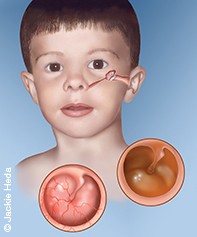
- A reddened tympanic membrane alone is not sufficient for diagnosis; a cloudy, bulging membrane with reduced mobility on pneumatic otoscopy combined with a typical clinical history is pathognomonic of AOM.
- Antibiotic treatment is recommended for children with AOM aged 6 months or younger, those aged over 6 months with otorrhoea or severe symptoms, those aged between 6 and 24 months with bilateral AOM and those whose follow up is uncertain or difficult.
- Observation and follow up after 24 to 48 hours is an option for some children aged over 6 months who meet specific criteria.
- Specialist referral is warranted for persisting or recurrent disease, complications or concerns about speech and language.
Get full access
Buy this article
Single article purchases are temporarily unavailable due to site maintenance.
If you would like to purchase an article during this time, please email us at [email protected] with the article details and we'll assist you directly. We'll also let you know when online purchasing is available again.
Thank you for your patience and understanding.
Already a subscriber? Login here.