
Lifestyle strategies for osteoporosis: supporting better bone health
Osteoporosis is both common and frequently asymptomatic, and GPs remain central to its early identification, prevention and long-term management. This article provides a concise, evidence-based overview of practical lifestyle interventions, including targeted exercise, optimised nutrition and structured falls risk reduction, and outlines the clinical scenarios in which pharmacotherapy or specialist referral should be considered. An individualised and multidisciplinary approach is emphasised to support optimal skeletal health and minimise future fracture risk.
- GPs have a pivotal role in osteoporosis management and are best placed to initiate first-line therapies, such as exercise, nutrition and lifestyle modifications.
- High-impact activity (e.g. weight training) has the strongest evidence for improving bone health.
- Calcium and vitamin D remain key components of bone health management, and increasing evidence supports adequate protein as an important dietary intervention.
- Multidisciplinary care is essential for reducing falls risk, and several MBS items support GP engagement with allied health providers.
- Specialist referral is appropriate for patients at moderate-to-high fracture risk, particularly those with multiple comorbidities or a recent fracture.
As osteoporosis rates rise with an ageing population, GPs are uniquely positioned to lead early intervention through evidence-based exercise, nutrition and lifestyle counselling, supporting better bone health outcomes across the lifespan. Osteoporosis is often described as a silent condition, progressing without symptoms until a fracture occurs. In Australia, more than 1.3 million people are affected, with many more at risk of developing poor bone health (defined as either low bone mineral density [BMD] or fracture).
As frontline clinicians, GPs are well placed to initiate prevention strategies long before the first fracture. Although pharmacotherapy is important in selected patients, nonpharmacological interventions (particularly exercise, nutrition and lifestyle modification) remain foundational pillars of osteoporosis management. This article provides practical, up-to-date guidance to support GPs in advising and empowering patients towards good skeletal health and healthy ageing.
Exercise interventions
Exercise is a central component of osteoporosis prevention and management. Its effectiveness, however, depends on the type, intensity and structure of activity.1 Recognising that some forms of exercise provide greater osteogenic benefit allows tailored, evidence-based exercise prescriptions that meet individual patient needs.
How exercise affects bone
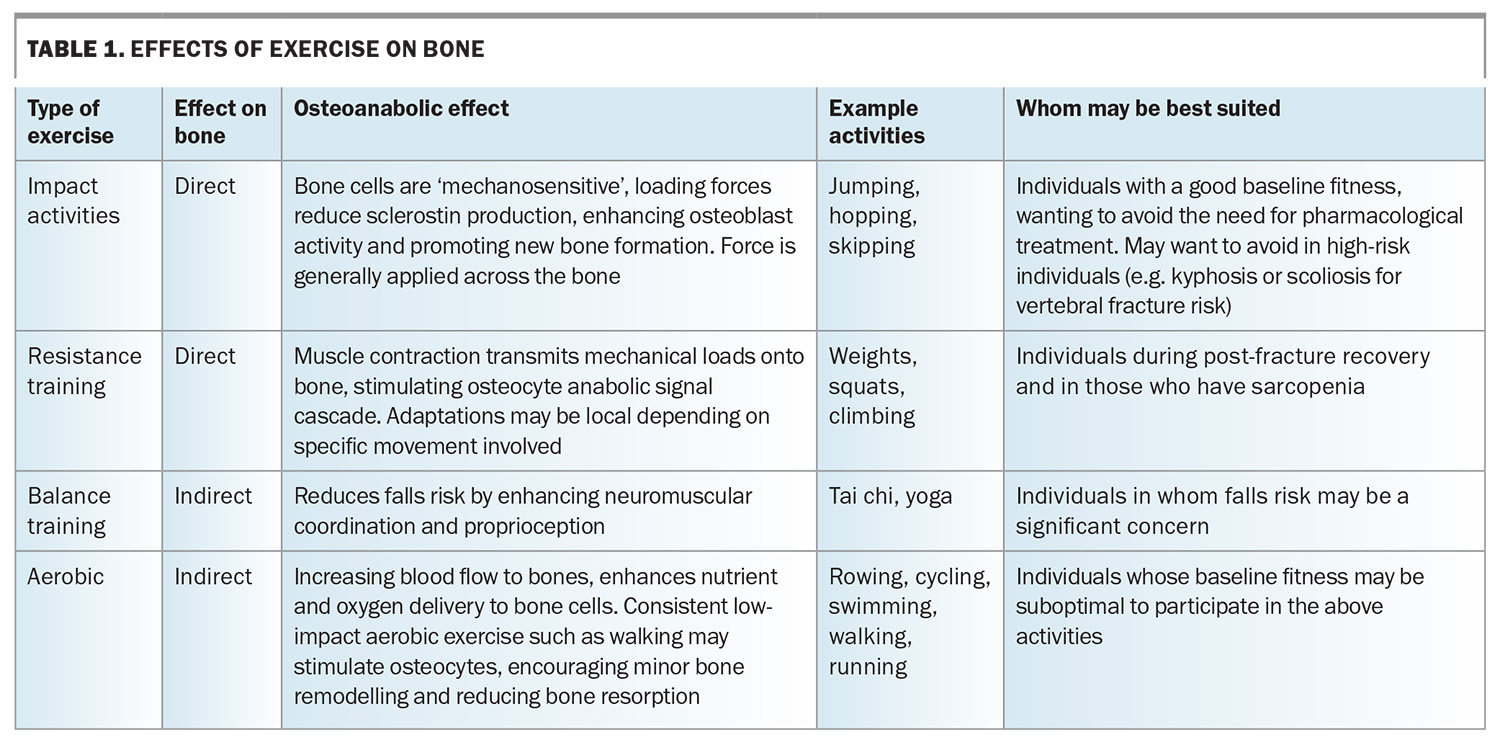
Exercise affects bone both directly and indirectly. Direct effects occur when mechanical stress stimulates osteocytic anabolic responses. These stresses include ground reaction forces during activities such as hopping or jumping and localised tension from high-load resistance exercises (e.g. heavy bicep curls) (Table 1). Although no trials have assessed fracture reduction as a primary outcome (due to the prohibitive trial size required) multiple randomised trials and a Cochrane review in postmenopausal women demonstrate modest but consistent improvements in BMD across exercise types.2 Most evidence supports interventions applying direct mechanical strain, such as impact and resistance training.3 High-intensity resistance and impact training are associated with better outcomes than moderate-intensity resistance and impact training, suggesting a dose–response effect.4
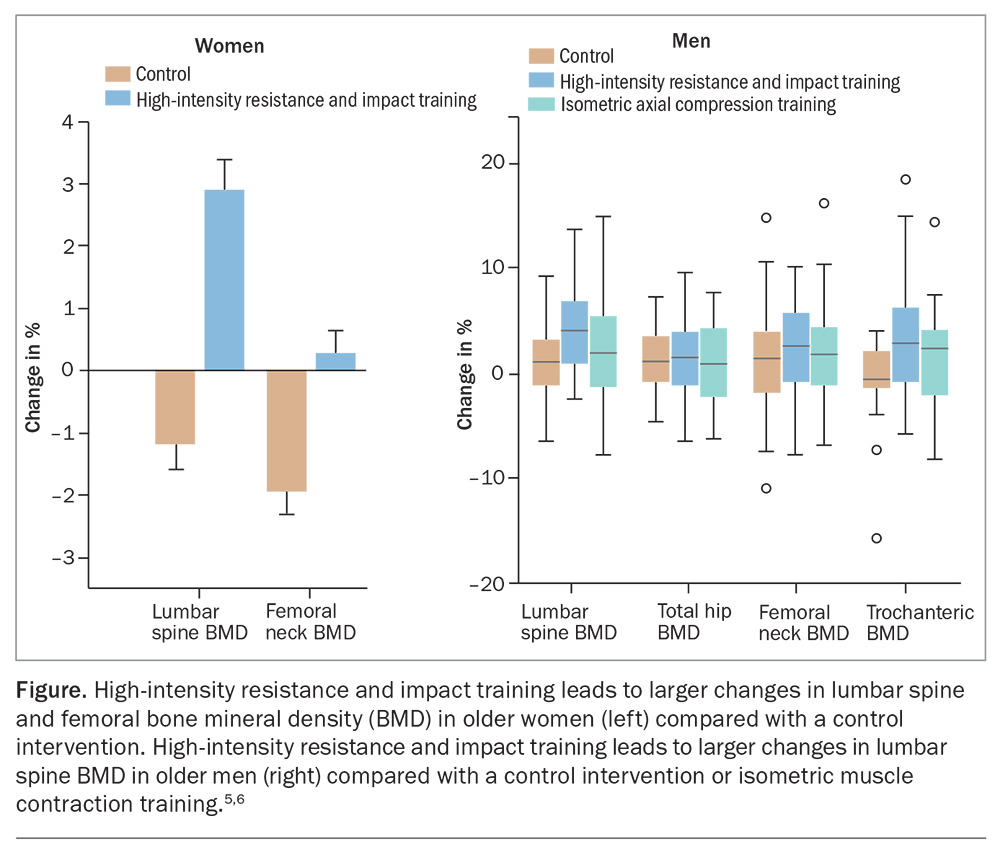
Australian data further highlight the value of progressive, high-intensity impact and resistance training, demonstrating safety and efficacy in improving BMD and muscle strength in older women and men (Figure).5,6 Weight training may also augment the BMD effects of antiresorptive therapy in breast cancer survivors who have completed cancer treatment.7
How to prescribe exercise
Although there is detailed guidance for prescribing pharmacological therapies (i.e. dose and frequency), developing an effective exercise ‘prescription’ can be challenging for clinicians (Box and Table 2).8,9 Healthy Bones Australia, through an expert multidisciplinary working group, has published specific guidance on exercise for osteoporosis. Key principles include:
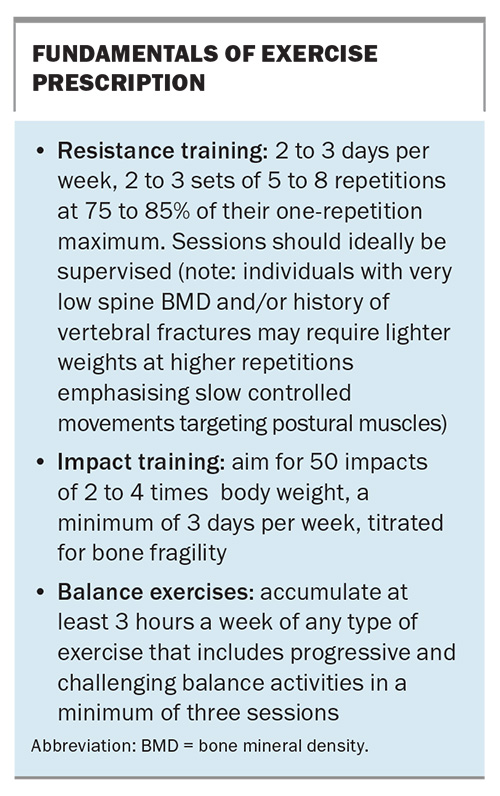
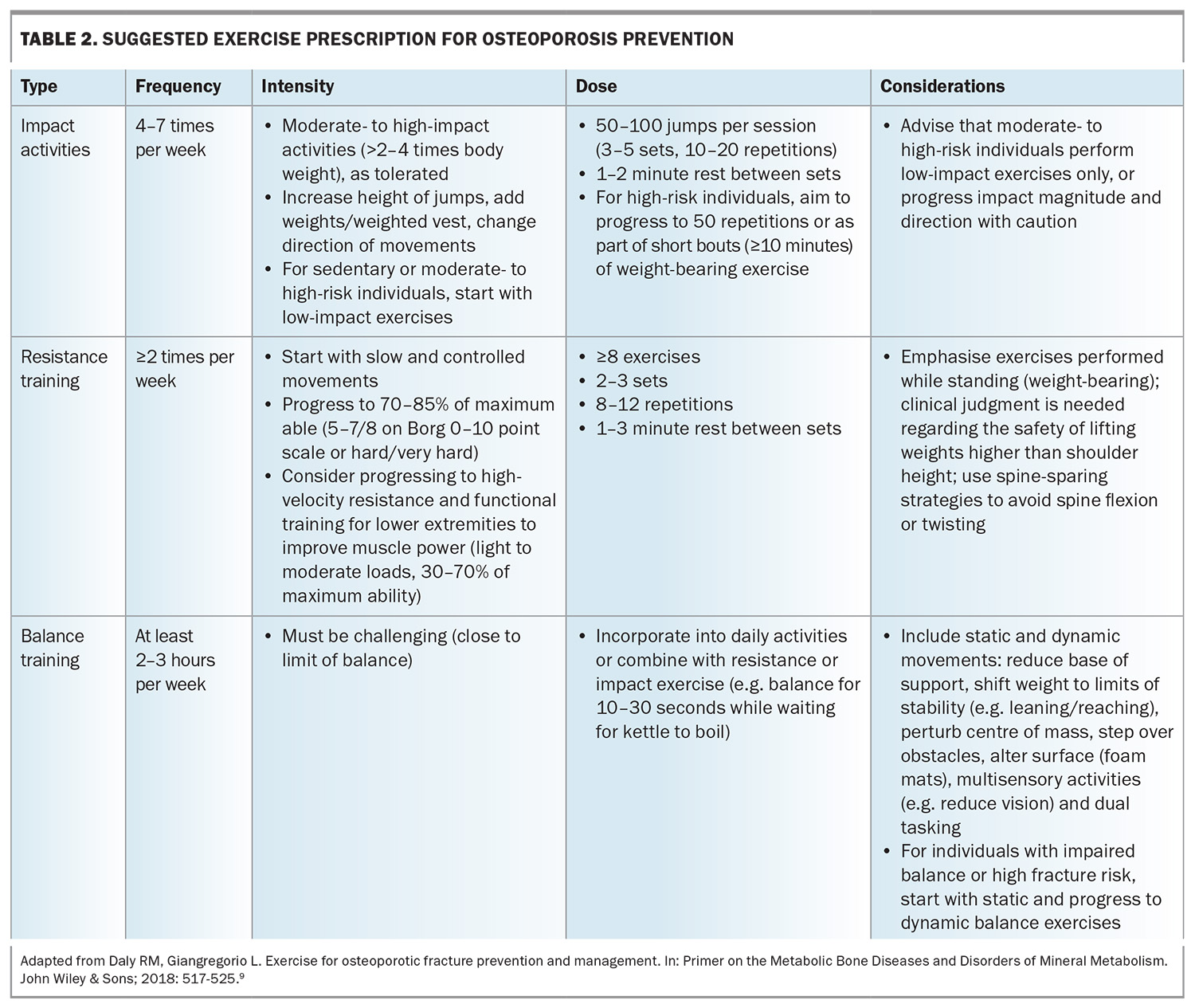
- the most osteogenic protocol uses low repetitions (10 to 20) of high-intensity loads through impact and resistance training
- falls prevention requires more than three hours per week of ongoing exercise for at least 12 weeks, incorporating high-challenge balance activities
(Table 3).
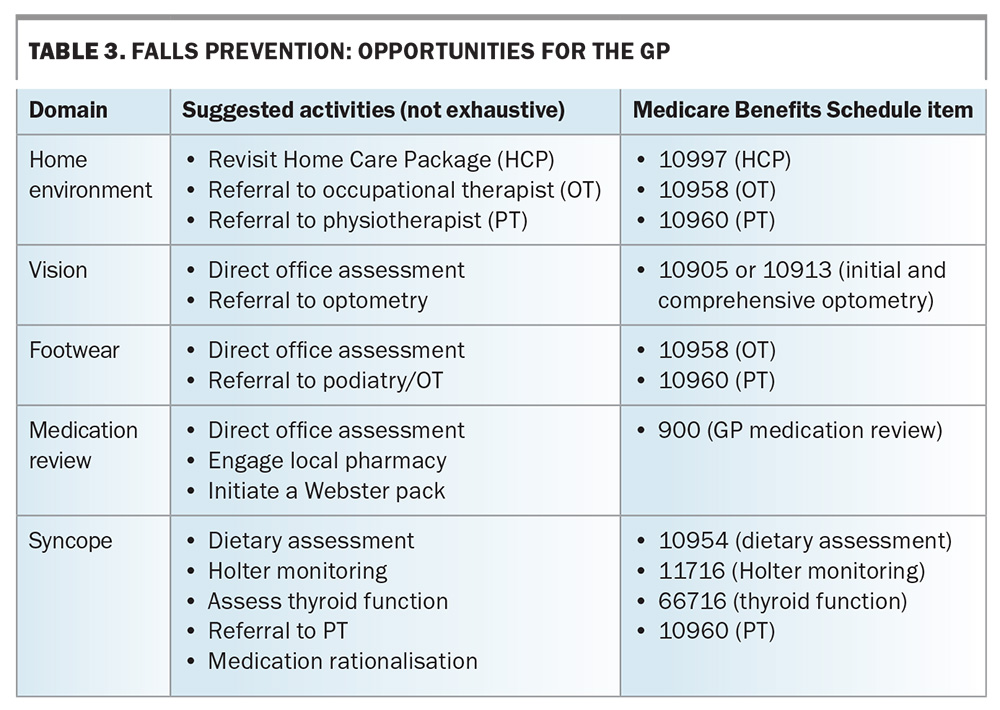
Patients can access up to five Medicare- subsidised exercise physiology sessions per year under a GP Management Plan (Item 721) and Team Care Arrangements (Item 723). GPs play a pivotal role in reinforcing the importance of exercise, providing practical advice to support tailored physical activity and facilitating referrals to accredited exercise physiologists, who can adapt programs to evolving health status and comorbidities.
Nutritional strategies
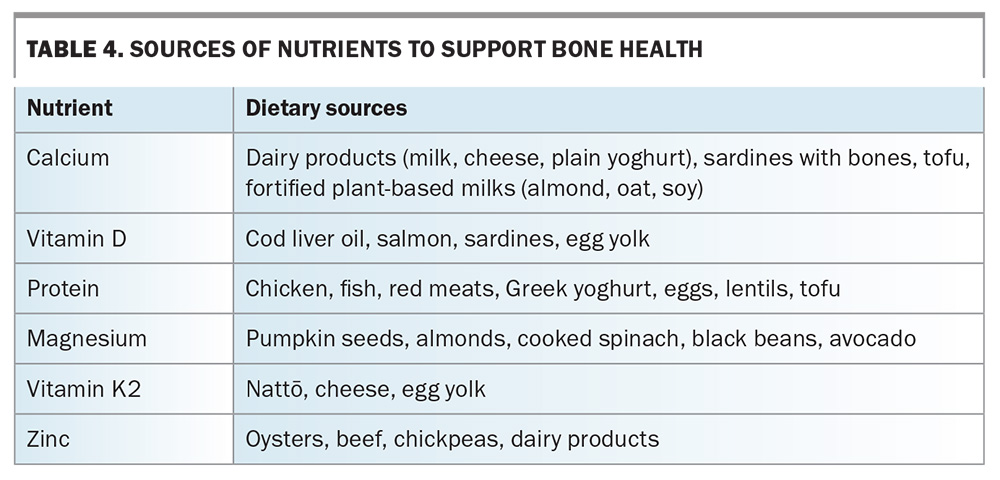
Optimising skeletal health requires a comprehensive understanding of the roles of essential nutrients in bone metabolism. The following sections outline the crucial functions of calcium, vitamin D, protein and key micronutrients (magnesium, vitamin K2 and zinc), and addresses common misconceptions about dairy intake and supplementation (Table 4).
Calcium
Calcium is crucial for bone mineralisation as a primary component of hydroxyapatite. The National Health and Medical Research Council (NHMRC) recommends a calcium intake of 1000 mg/day for adults aged 19 to 50 years, increasing to 1300 mg/day for women older than 50 years and men older than 70 years.10 Dairy products contribute about 60% of dietary calcium intake in Australia and represent the most bioavailable sources. Alternative sources include fortified plant milks, leafy greens and calcium-set tofu; however, oxalate-rich vegetables such as spinach may slow down calcium absorption due to formation of calcium-oxalate complexes that impede free ionic calcium uptake.11,12
Calcium supplementation should only be considered for individuals who are unable to meet requirements through diet alone. Calcium citrate is preferred in those with achlorhydria or taking proton pump inhibitors. Supplemental doses should generally be limited to 500 to 600 mg/day to optimise absorption and minimise risks such as nephrolithiasis or potential cardiovascular events associated with higher daily doses.13 Excessive calcium intake beyond recommendations does not confer additional bone health benefits, and calcium supplements alone do not reduce fragility fractures.14
Vitamin D
Vitamin D supports intestinal calcium and phosphorus absorption and regulates bone remodelling by influencing osteoblast and osteoclast activity. Endogenous cutaneous precursor synthesis via ultraviolet radiation exposure is the primary source; however, factors such as limited sun exposure, higher skin melanin content and ageing can impair synthesis. The increased use of broad-spectrum sunscreens because of the high rates of skin cancers and campaigns to reduce these risks has impacted vitamin D levels for people in Australia.15
The recommended vitamin D intake is 600 IU/day for adults up to age 70 years and 800 IU/day for those older than 70 years. A serum 25-hydroxyvitamin D level of about 75 nmol/L is generally appropriate for individuals with osteoporosis.2 Higher doses may be required in cases of severe deficiency (<30 nmol/L) or obesity. Daily or weekly dosing is preferred over large annual boluses, which have been associated with increased falls and fractures.16,17 In patients with gastrointestinal disorders or malabsorption, intramuscular formulations may be necessary.
Combined calcium and vitamin D supplementation reduces hip and nonvertebral fractures in institutionalised older individuals with moderate to severe vitamin D deficiency, but not in community-dwelling older individuals.3
Care needs to be taken to avoid hypervitaminosis D, which can lead to hypercalcaemia and associated complications. Extra vigilance is warranted in granulomatous conditions, such as sarcoidosis, where dysregulated vitamin D metabolism means that even low supplementation doses may precipitate hypercalcaemia.18
Protein
Protein plays a crucial role in bone health through stimulation of insulin-like growth factor-1, enhancement of osteoblast activity and maintenance of the collagen matrix. Adequate intake also preserves skeletal muscle, reducing falls and fracture risk. Protein maintains bone mass via anabolic effects on both muscle and bone tissue.4 Older adults benefit from 1.0 to 1.2 g/kg/day, spaced evenly across meals. The Australian Sarcopenia and Osteoporosis Working Group recognises higher protein requirements in older people because of anabolic resistance and reduced digestive efficiency.19
High-quality protein sources include dairy, eggs, seafood, poultry, lean meats and soy products. Co-ingestion with vitamin D and engagement in resistance training further potentiates the skeletal benefits of dietary protein.20
Magnesium, vitamin K2 and zinc
Magnesium supports bone structure and vitamin D metabolism.5 Vitamin K2 activates osteocalcin, facilitating calcium binding in the bone matrix, and may prevent vascular calcification. Zinc promotes osteoblast activity and collagen synthesis, essential for bone formation. Supplementation may be appropriate in individuals with documented deficiency or restricted intake.
Vitamin K2 supplementation, particularly in the form of menaquinone-7, enhances osteocalcin carboxylation and improves BMD in some populations. A randomised, double-blind, placebo-controlled trial demonstrated that daily supplementation with 180 mcg of menaquinone-7 over three years significantly attenuated age-related declines in BMD and bone strength in healthy postmenopausal women.21 Some studies have shown no benefit.22 More evidence is needed to support routine use in osteoporosis management. Care is required in those requiring vitamin K antagonists for anticoagulation (warfarin) and in chronic kidney disease.23,24
Lifestyle modifications
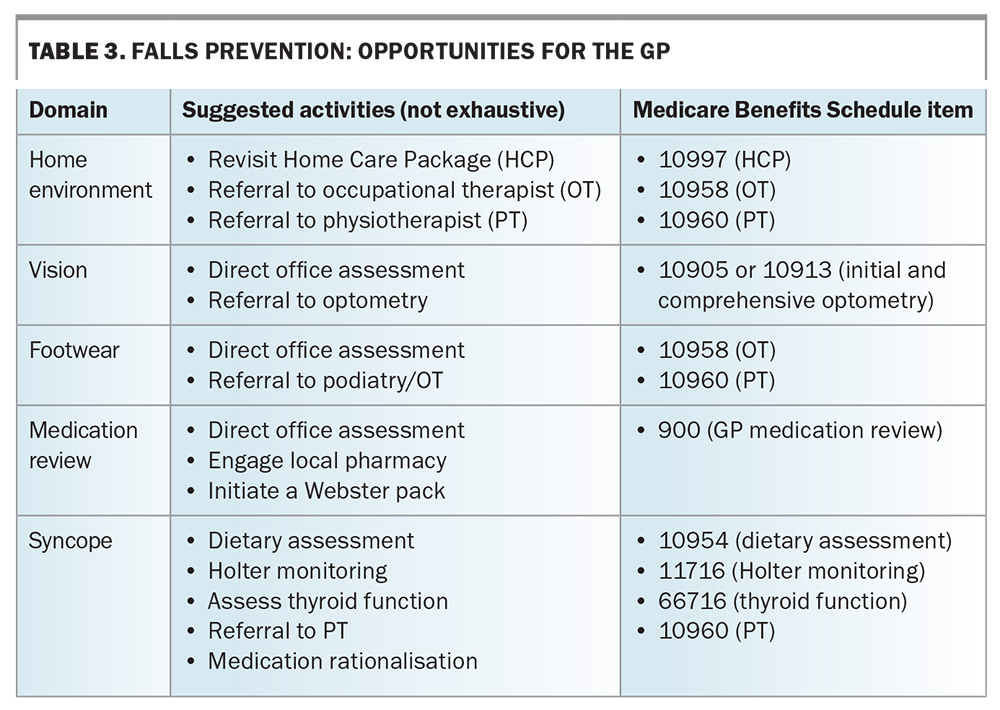
Although not formally part of the treatment pathway, the fracture risk assessment tool (FRAX) and the Garvan calculator are widely used in Australia to guide clinical decision making.25-27 FRAX uses a proprietary algorithm to estimate a 10-year probability of fracture based on clinical variables, including smoking history, alcohol consumption, body weight, relevant comorbidities and family history of fracture, with BMD T-score as an optional variable. The Garvan tool incorporates fewer variables but importantly includes a history of past falls. These clinical factors provide key opportunities for primary intervention. Discussion of lifestyle modifications can be further strengthened by highlighting additional benefits for skeletal health (Table 3).
Smoking cessation
Smoking has a well-established, detrimental effect on bone health.28,29 No randomised trials have directly examined the impact of smoking cessation versus continued smoking on bone outcomes, for ethical reasons; however, evidence can be inferred from prospective studies comparing former or never-smokers with current smokers. In a large South Korean cohort (n = 4 million) with a history of 20 pack-years or more, smoking cessation significantly lowered the risk of all fractures, vertebral and hip fractures by between 5 and 15%.30 Additionally, a twin study demonstrated that pack-a-day smoking during adulthood resulted in a 5 to 10% lower BMD (lumbar spine and femoral neck) by menopause compared with nonsmokers.31 These findings provide strong justification for encouraging smoking cessation regardless of cumulative exposure.
Inpatient counselling during fracture admission alone has limited efficacy.32 However, financial incentives have shown some benefit in supporting cessation.33 The MBS provides multiple items for smoking cessation counselling, although the integration of novel strategies (such as gamification or incentive-based approaches) into routine general practice remains uncertain.
Alcohol moderation
The NHMRC recommends a maximum daily alcohol intake of approximately 1.5 standard drinks (STD), with no more than 10 STD per week and no more than four STD on any single day.34 These guidelines are based on studies comparing heavy versus low-to-moderate consumption, with the inference that reducing intake is likely beneficial. A meta-analysis of 46 studies, including six million participants and over 200,000 fracture cases, found that each additional unit of alcohol (14 g/day, about 1.5 STD in Australian units) was associated with a 6% increased risk of any fracture.35 Interestingly, some smaller studies have reported higher BMD with moderate alcohol consumption, possibly driven by increased weight effects and moderate intake has been linked to a lower fracture risk compared with lifelong abstainers.36,37 Recommendations should therefore be individualised. Although reducing alcohol intake is generally beneficial for overall health, this alone may not sufficiently reduce fracture risk in individuals at high skeletal risk, such as those with a recent (<12 months) fracture or a BMD T-score of –3.0 or less, and should be combined with other targeted interventions.
Falls prevention
Fractures represent the terminal event of two distinct clinical processes: bone loss and gait instability leading to falls. Although intrinsic factors such as syncope and hypotension can be addressed as part of fracture prevention in older adults, extrinsic factors, particularly environmental hazards and medication management, are often overlooked (Table 3). GPs are well placed to conduct medication reviews, and many local pharmacies also provide medication reviews under MBS item 900.38,39 Interventions such as improving home safety (e.g. installing bathroom rails), ensuring appropriate footwear (e.g. nonlace-up shoes), and involving optometry and occupational therapy have all been shown to reduce falls in the community.40-44
Weight management
Weight is an important risk factor for osteoporosis and fracture, and is incorporated into fracture risk assessment tools. Low body weight (body mass index <20 kg/m²) should be avoided,45 whereas obesity contributes to fracture risk both indirectly (through increased falls due to mobility limitations and functional impairment) and directly (by adversely affecting bone quality). Chronic low-grade inflammation associated with obesity promotes osteoclastogenesis and suppresses osteoblast activity, disrupting normal bone modelling and remodelling, and ultimately reducing bone strength despite preserved or increased BMD. Fracture patterns in obesity differ, with ankle, lower limb, and humerus fractures predominating.46
Intentional weight loss can also negatively impact skeletal health, particularly with interventions such as glucagon-like peptide-1 receptor agonists or bariatric surgery. Mechanisms include reduced mechanical loading, nutritional deficiencies from caloric restriction and hormonal changes such as decreased oestrogen from adipocytes and reduced insulin and insulin-like growth factor-1 levels.47-50 A key focus for GPs is to support the preservation of lean and bone mass during weight loss, with Australian studies demonstrating that exercise can mitigate bone loss in this context.51
Reproductive health
Regular menstrual cycles are a key indicator of adequate hypothalamic–pituitary–ovarian axis function and are essential for optimal bone health, particularly in premenopausal women.6 Ovulatory cycles reflect sufficient circulating oestrogen, which plays a crucial role in maintaining bone mass by inhibiting bone resorption and supporting osteoblastic activity. In contrast, menstrual irregularity or amenorrhoea, often due to low energy availability, stress or endocrine disorders, is associated with hypoestrogenism, increased bone turnover and net bone loss. This is especially relevant during adolescence and early adulthood, when peak bone mass is accrued. Prolonged menstrual dysfunction during these years can impair skeletal development and increase long-term fracture risk.
The impact of menopause on skeletal health is substantial. Bone loss of 1 to 2% per year may begin in the early perimenopausal stage, meaning that up to 20% of bone mass may be lost by the time a person meets criteria for subsidised BMD testing,52 although testing is subsidised earlier when other risk factors, such as vitamin D deficiency or prior fracture, are present. Recent International Menopause Society guidance reinforces the foundational role of menopausal hormone therapy (MHT) in preventing osteoporosis and reducing fracture in postmenopausal women.53 This evidence stems from the Women’s Health Initiative (WHI), which demonstrated that combined oestrogen and progestogen therapy (conjugated equine oestrogen 0.625 mg and medroxyprogesterone acetate 2.5 mg) increased spinal BMD by 4.5% and total hip BMD by 3.7% over three years and prevented fractures irrespective of baseline BMD.54,55 A recent secondary WHI analysis confirmed that MHT reduces fractures regardless of falls risk or FRAX score, without the high breast or cardiovascular risks previously reported.56 Furthermore, the recent Australian practitioner-led menopause toolkit supports the use of MHT in women under 65 years of age with a BMD T-score of –1.8 or lower.57,58
Medication minimisation
Several pharmacological agents adversely affect bone metabolism and skeletal integrity and should be minimised and used judiciously in individuals at risk of osteoporosis or fragility fractures. Glucocorticoids, particularly when used long term or at doses of 5 mg/day or more of prednisone equivalent, are associated with rapid bone loss, up to 10 to 20% in the first year, and increase fracture risk by suppressing osteoblast activity and enhancing osteoclast- mediated resorption.59,60 Aromatase inhibitors and androgen deprivation therapy, used in breast and prostate cancer respectively, induce hypogonadism and significantly reduce BMD. Selective serotonin reuptake inhibitors, proton pump inhibitors and thiazolidinediones have also been associated with impaired bone quality and higher fracture incidence, potentially through reduced calcium absorption, interference with osteoblast function or altered bone turnover.61 Chronic use of anticonvulsants, particularly enzyme-inducing agents, may reduce circulating vitamin D levels and impair bone mineralisation.62 Excessive thyroid hormone replacement may promote high bone turnover and requires careful titration in individuals with osteoporosis. If these medications are clinically necessary, strategies to mitigate skeletal harm, such as co-prescription of antiresorptive or osteoanabolic therapy, should be strongly considered.
When lifestyle is not enough: medications and specialist referral
Although nonpharmacological strategies such as targeted exercise, optimisation of nutrition and modification of risk factors form the foundation of osteoporosis prevention and management, they may be insufficient as monotherapy in individuals with moderate-to-high fracture risk, such as those with multiple comorbidities or a recent fracture. Pharmacological therapy, using antiresorptive or osteoanabolic agents, is frequently required to achieve meaningful gains in BMD and reduce fracture risk. Importantly, in high-risk individuals, pharmacological treatment should not be delayed until lifestyle measures have been trialled in isolation; instead, pharmacological therapy should be initiated promptly and in parallel with these ongoing interventions.
Treatment decisions should be guided by validated tools such as the FRAX or Garvan calculators and aligned with the recently updated Royal Australian College of General Practitioners and Healthy Bones Australia guideline.63 Timely initiation of appropriate pharmacotherapy (or referral to an osteoporosis specialist), together with sustained lifestyle management, is essential to optimise skeletal outcomes and reduce morbidity.
Conclusion
In both the prevention and management of osteoporosis, GPs play a central role in early identification of at-risk individuals, initiation of evidence-based interventions and co-ordination of multidisciplinary care. In those without established disease, prevention focuses on lifestyle-based risk reduction, whereas in individuals with osteoporosis or a prior fragility fracture, these same measures form the foundation of long-term management alongside pharmacotherapy when indicated.
Identification of high-risk patients can be supported by tools such as the FRAX or Garvan risk calculators, combined with assessment of fracture history, comorbidities, family history and relevant laboratory or imaging findings. Key actionable strategies include: prescribing regular weight-bearing and progressive resistance exercise tailored to the patient’s capacity and fracture risk; optimising nutrition through adequate calcium intake, sufficient dietary protein and maintenance of vitamin D sufficiency; and addressing modifiable lifestyle factors such as smoking cessation, reduction of alcohol intake and falls prevention. GPs are uniquely positioned to integrate these measures into chronic disease care through structured health assessments and the use of GP Management Plans and Team Care Arrangements, facilitating co-ordinated input from physiotherapists, dietitians, exercise physiologists and pharmacists. Educating patients about the importance of these nonpharmacological approaches may also improve engagement and long-term adherence. Although lifestyle measures alone are insufficient for many patients with established osteoporosis, and pharmacotherapy remains essential, early and sustained attention to these strategies optimises skeletal outcomes. MT
COMPETING INTERESTS: Dr Aleksova is a TGA medicines advisor and has received sponsorship to attend International Osteoporosis Foundation (in Rome, 2025) from Arrotex and payment for educational lectures from Amgen. Dr Rodríguez: None.
References
1. Ott SM. In osteoporosis or osteopenia, exercise interventions improve BMD; effects vary by exercise type and BMD site. Ann Intern Med 2022; 175(4): JC46.
2. Howe TE, Shea B, Dawson LJ, et al. Exercise for preventing and treating osteoporosis in postmenopausal women. Cochrane Database Syst Rev 2011; (7): CD000333.
3. Kemmler W, Shojaa M, Kohl M, von Stengel S. Effects of different types of exercise on bone mineral density in postmenopausal women: a systematic review and meta-analysis. Calcif Tissue Int 2020; 107: 409-439.
4. Kitagawa T, Hiraya K, Denda T, Yamamoto S. A comparison of different exercise intensities for improving bone mineral density in postmenopausal women with osteoporosis: a systematic review and meta-analysis. Bone Rep 2022; 17: 101631.
5. Watson SL, Weeks BK, Weis LJ, Harding AT, Horan SA, Beck BR. High intensity resistance and impact training improves bone mineral density and physical function in postmenopausal women with osteopenia and osteoporosis: the LIFTMOR randomized controlled trial. J Bone Miner Res 2018; 33: 211-220.
6. Harding AT, Weeks BK, Lambert C, Watson SL, Weis LJ, Beck BR. A Comparison of bone‐targeted exercise strategies to reduce fracture risk in middle‐aged and older men with osteopenia and osteoporosis: LIFTMOR M Semi Randomized Controlled Trial. J Bone Miner Res 2020; 35: 1404-1414.
7. Schumm AK, Craige EA, Arora NK, et al. Does adding exercise or physical activity to pharmacological osteoporosis therapy in patients with increased fracture risk improve bone mineral density and lower fracture risk? A systematic review and meta-analysis. Osteoporos Int J Establ Result Coop Eur Found Osteoporos Natl Osteoporos Found USA 2023; 34: 1867-1880.
8. Beck BR, Daly RM, Singh MAF, Taaffe DR. Exercise and Sports Science Australia (ESSA) position statement on exercise prescription for the prevention and management of osteoporosis. J Sci Med Sport 2017; 20: 438-445.
9. Daly RM, Giangregorio L. Exercise for osteoporotic fracture prevention and management. In: primer on the metabolic bone diseases and disorders of mineral metabolism. John Wiley & Sons, Ltd; 2018: 517-525.
10. National Health and Medical Research Council (NHMRC). Calcium. Canberra: NHMRC. Available online at: https://www.eatforhealth.gov.au/nutrient-reference-values/nutrients/calcium (accessed December 2025).
11. Weaver CM. Calcium bioavailability and its relation to osteoporosis. Proc Soc Exp Biol Med Soc Exp Biol Med N Y N 1992; 200(2): 157-160.
12. Heaney RP, Weaver CM. Oxalate: effect on calcium absorbability. Am J Clin Nutr 1989; 50: 830-832.
13. Michaëlsson K, Melhus H, Warensjö Lemming E, Wolk A, Byberg L. Long term calcium intake and rates of all cause and cardiovascular mortality: community based prospective longitudinal cohort study. BMJ 2013; 346: f228.
14. Bolland MJ, Leung W, Tai V, et al. Calcium intake and risk of fracture: systematic review. BMJ 2015; 351: h4580.
15. Neale RE, Beedle V, Ebeling PR, et al. Balancing the risks and benefits of sun exposure: a revised position statement for Australian adults. Aust N Z J Public Health 2024; 48(1): 100117
16. Sanders KM, Stuart AL, Williamson EJ, et al. Annual high-dose oral vitamin D and falls and fractures in older women: a randomized controlled trial. JAMA 2010; 303: 1815-1822.
17. Bischoff-Ferrari HA, Dawson-Hughes B, Orav EJ, et al. Monthly high-dose vitamin D treatment for the prevention of functional decline: a randomized clinical trial. JAMA Intern Med 2016; 176: 175-183.
18. Baughman RP, Lower EE. Goldilocks, vitamin D and sarcoidosis. Arthritis Res Ther 2014; 16: 111.
19. Daly RM, Iuliano S, Fyfe JJ, et al. Screening, diagnosis and management of sarcopenia and frailty in hospitalised older adults: recommendations from the Australian and New Zealand Society for Sarcopenia and Frailty Research (ANZSSFR) Expert Working Group. J Nutr Health Aging 2022; 26: 637-651.
20. Rizzoli R, Stevenson JC, Bauer JM, et al. The role of dietary protein and vitamin D in maintaining musculoskeletal health in postmenopausal women: a consensus statement. Osteoporosis International 2018; 29: 1921-1942.
21. Knapen MHJ, Drummen NE, Smit E, Vermeer C, Theuwissen E. Three-year low-dose menaquinone-7 supplementation helps decrease bone loss in healthy postmenopausal women. Osteoporos Int 2013; 24: 2499-2507.
22. Emaus N, Gjesdal CG, Almås B, et al. Vitamin K2 supplementation does not influence bone loss in early menopausal women: a randomised double-blind placebo-controlled trial. Osteoporos Int 2010; 21: 1731-1740.
23. Fiordellisi W, White K, Schweizer M. A systematic review and meta-analysis of the association between vitamin k antagonist use and fracture. J Gen Intern Med 2019; 34: 304-311.
24. Capozzi A, Scambia G, Lello S. Calcium, vitamin D, vitamin K2, and magnesium supplementation and skeletal health. Maturitas 2020; 140: 55-63.
25. Kanis JA, Johnell O, Oden A, Johansson H, McCloskey E. FRAX and the assessment of fracture probability in men and women from the UK. Osteoporos Int J Establ Result Coop Eur Found Osteoporos Natl Osteoporos Found USA. 2008; 19: 385-397.
26. Kanis JA, Oden A, Johansson H, Borgström F, Ström O, McCloskey E. FRAX and its applications to clinical practice. Bone 2009; 44: 734-743.
27. Agarwal A, Leslie WD, Nguyen TV, Morin SN, Lix LM, Eisman JA. Predictive performance of the Garvan Fracture Risk Calculator: a registry-based cohort study. Osteoporos Int 2022; 33: 541-548.
28. Thorin MH, Wihlborg A, Åkesson K, Gerdhem P. Smoking, smoking cessation, and fracture risk in elderly women followed for 10 years. Osteoporos Int J Establ Result Coop Eur Found Osteoporos Natl Osteoporos Found USA 2016; 27: 249-255.
29. Qin C, Zhang W, Xiao C, et al. Shared genetic basis connects smoking behaviors and bone health: insights from a genome-wide cross-trait analysis. J Bone Miner Res Off J Am Soc Bone Miner Res 2024; 39: 918-928.
30. Park JS, Kang KC, Park SJ, Kim JK, Han K, Hong JY. The positive impact of smoking cessation on fracture risk in a nationwide cohort study. Sci Rep 2024; 14: 9892.
31. Hopper JL, Seeman E. The bone density of female twins discordant for tobacco use. N Engl J Med 1994; 330: 387-392.
32. Matuszewski PE, Joseph K, O’Hara NN, DiClemente C, O’Toole RV. Prospective randomized trial on smoking cessation in orthopaedic trauma patients: results from the let’s STOP (Smoking in Trauma Orthopaedic Patients) Now Trial. J Orthop Trauma 2021; 35: 345-351.
33. Alkhoury D, Atchison J, Trujillo AJ, et al. Can financial payments incentivize short-term smoking cessation in orthopaedic trauma patients? Evidence from a discrete choice experiment. Health Econ Rev 2021; 11: 15.
34. National Health and Medical Research Council (NHMRC). Alcohol. Canberra: NHMRC. Available online at: https://www.nhmrc.gov.au/health-advice/alcohol (accessed December 2025).
35. Ke Y, Hu H, Zhang J, et al. Alcohol consumption and risk of fractures: a systematic review and dose-response meta-analysis of prospective cohort studies. Adv Nutr Bethesda Md 2023; 14: 599-611.
36. Sommer I, Erkkilä AT, Järvinen R, et al. Alcohol consumption and bone mineral density in elderly women. Public Health Nutr 2013; 16: 704-712.
37. Mukamal KJ, Robbins JA, Cauley JA, Kern LM, Siscovick DS. Alcohol consumption, bone density, and hip fracture among older adults: the cardiovascular health study. Osteoporos Int J Establ Result Coop Eur Found Osteoporos Natl Osteoporos Found USA. 2007; 18: 593-602.
38. Munson JC, Bynum JPW, Bell JE, et al. Patterns of prescription drug use before and after fragility fracture. JAMA Intern Med 2016; 176: 1531-1538.
39. Berry SD, Kiel DP. Medication review after a fracture—absolutely essential. JAMA Intern Med 2016; 176: 1539-1540.
40. Campbell AJ, Robertson MC, La Grow SJ, et al. Randomised controlled trial of prevention of falls in people aged > or =75 with severe visual impairment: the VIP trial. BMJ 2005; 331(7520): 817.
41. Cumming RG, Ivers R, Clemson L, et al. Improving vision to prevent falls in frail older people: a randomized trial. J Am Geriatr Soc 2007; 55: 175-181.
42. Perry SD, Radtke A, McIlroy WE, Fernie GR, Maki BE. Efficacy and effectiveness of a balance-enhancing insole. J Gerontol A Biol Sci Med Sci 2008; 63: 595-602.
43. Pighills AC, Torgerson DJ, Sheldon TA, Drummond AE, Bland JM. Environmental assessment and modification to prevent falls in older people. J Am Geriatr Soc 2011; 59: 26-33.
44. Gillespie LD, Robertson MC, Gillespie WJ, et al. Interventions for preventing falls in older people living in the community. Cochrane Database Syst Rev 2012; 2012(9): CD007146.
45. De Laet C, Kanis JA, Odén A, et al. Body mass index as a predictor of fracture risk: a meta-analysis. Osteoporosis International 2005; 16: 1330-1338.
46. Charles A, Mugisha A, Iconaru L, et al. Distribution of fracture sites in postmenopausal overweight and obese women: the FRISBEE Study. Calcif Tissue Int 2022; 111: 29-34.
47. Paccou J, Compston JE. Bone health in adults with obesity before and after interventions to promote weight loss. Lancet Diabetes Endocrinol 2024; 12: 748-760.
48. Johnson KC, Anderson A, Beavers KM, et al. The long-term effect of intentional weight loss on changes in bone mineral density in persons with type 2 diabetes: results from the Look AHEAD randomized trial. Arch Osteoporos 2023; 18: 97.
49. Kuryłowicz A. Estrogens in adipose tissue physiology and obesity-related dysfunction. Biomedicines 2023; 11: 690.
50. Murphy C, Koehler K. Caloric restriction induces anabolic resistance to resistance exercise. Eur J Appl Physiol 2020; 120: 1155-1164.
51. Mesinovic J, Jansons P, Zengin A, et al. Exercise attenuates bone mineral density loss during diet-induced weight loss in adults with overweight and obesity: a systematic review and meta-analysis. J Sport Health Sci 2021; 10: 550-559.
52. Seeman E. Age- and menopause-related bone loss compromise cortical and trabecular microstructure. J Gerontol A Biol Sci Med Sci 2013; 68: 1218-1225.
53. Simon JA, Davis SR, Lindén Hirschberg A, et al. State of the art in menopause: current best practice approaches from the IMS World Congress 2024, Melbourne. Climacteric J Int Menopause Soc 2025; 28: 98-103.
54. Hays J, Ockene JK, Brunner RL, et al. Effects of estrogen plus progestin on bone mineral density and fractures in postmenopausal women: the Women’s Health Initiative randomized trial. J Bone Miner Res 2003; 18: 362-371.
55. Cauley JA, Robbins J, Chen Z, et al. Effect of estrogen plus progestin on risk of fracture and bone mineral density. JAMA 2003; 290: 1729-1738.
56. Lorentzon M, Johansson H, Harvey NC, et al. Menopausal hormone therapy reduces the risk of fracture regardless of falls risk or baseline FRAX probability—results from the Women’s Health Initiative hormone therapy trials. Osteoporos Int 2022; 33: 2297-2305.
57. Ackerman KE, Misra M. Amenorrhoea in adolescent female athletes. Lancet Child Adolesc Health 2018; 2: 677-688.
58. Davis SR, Taylor S, Hemachandra C, et al. The 2023 practitioner’s toolkit for managing menopause. Climacteric J Int Menopause Soc 2023; 26: 517-536.
59. Buckley L, Guyatt G, Fink HA, et al. 2017 American College of Rheumatology Guideline for the prevention and treatment of glucocorticoid-induced osteoporosis. Arthritis Rheumatol 2017; 69: 1521-1537.
60. Sytsma TT, Thomas S, Fischer KM, Greenlund LS. Corticosteroid injections and risk of fracture. JAMA Netw Open 2024; 7(5): e2414316.
61. Richards JB, Papaioannou A, Adachi JD, et al. Effect of selective serotonin reuptake inhibitors on the risk of fracture. Arch Intern Med 2007; 167: 188-194.
62. Vannorsdall MJ, Holloway KL, Bugs H, et al. Antiepileptic drugs and bone health: a comprehensive review and meta-analysis. Bone 2022; 159: 116439.
63. Wong P, Chen W, Ewald D, et al. 2024 Royal Australian College of General Practitioners and Healthy Bones Australia guideline for osteoporosis management and fracture prevention in postmenopausal women and men over 50 years of age. Med J Aust 2025; 222: 472-480.
Single article purchases are temporarily unavailable due to site maintenance.
If you would like to purchase an article during this time, please email us at [email protected] with the article details and we'll assist you directly. We'll also let you know when online purchasing is available again.
Thank you for your patience and understanding.