

June 2026
Safety of unregistered medicinal cannabis products examined
By Melanie Hinze
Higher-concentration tetrahydrocannabinol (THC) medicinal cannabis products accounted for more than half of all voluntary adverse event reports submitted to the TGA in the three years up to mid-2025, with psychiatric disorders the most commonly reported event, according to new research.
The retrospective analysis, published in the Australian & New Zealand Journal of Psychiatry, examined voluntary adverse event reports for unregistered medicinal cannabis products submitted to the TGA between 6 July 2022 and 31 May 2025.
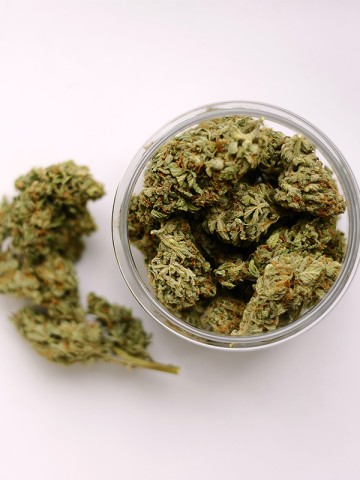
A total of 614 cases involving 1124 adverse events were analysed, with most reports (86%) coming from health professionals. More than half of all cases (54.1%) involved Category 5 products – those containing predominantly THC with less than 2% cannabidiol (CBD). Dried flower was the most common dosage form, being involved in 46.3% of all cases.
Psychiatric disorders were the leading adverse event category, representing 30.6% of reported events overall, followed by nervous system disorders (17.9%) and gastrointestinal disorders (14.3%). Fourteen cases involved suicidal ideation, suicidal behaviour or a suicide attempt.
Among Category 5 products, psychiatric disorders accounted for 31.9% of adverse events, with anxiety, psychotic disorder and paranoia the three most frequently reported.
In parallel with increased prescription approvals for inhaled dosage forms, respiratory adverse events were the fourth most common category overall.
The study authors noted the findings represented a meaningful shift from a previous analysis covering the period from 2016 to early 2023, in which nervous system disorders had been the leading category and just 1.5% of cases had involved THC-only products.
Commenting on the findings, Ms Myfanwy Graham, lead author and NHMRC Postgraduate Scholar at the Monash Addiction Research Centre, Monash University, Melbourne, told Medicine Today that some prescribed products were misaligned with the current evidence base.
‘The THC concentration of medicinal cannabis products currently available for prescription, of up to, or greater than, 88% is far greater than the upper threshold of THC of 22% that has been examined in randomised controlled trials,’ she told Medicine Today.
Ms Graham said that because patients may access prescriptions through separate clinics or not disclose medicinal cannabis use during GP consultations unless asked, screening was important.
‘A GP’s comprehensive knowledge of a patient’s medical history enables them to identify potential drug and disease-state interactions with medicinal cannabis, which may increase the risk of adverse events.’
She said the study highlighted the need for closer monitoring for adverse events by GPs, even when they were not the prescribing practitioner, including monitoring for use patterns that may be indicative of cannabis-use disorder.
Ms Graham added that reporting adverse events to the TGA helped build knowledge of safety issues and noted that the Australian Health Practitioner Regulation Agency (AHPRA) had released medicinal cannabis guidance for medical practitioners (https://www.ahpra.gov.au/Resources/Medicinal-cannabis-prescribing.aspx).
Aust N Z J Psychiatry 2026; https://doi.org/10.1177/ 00048674261445267.