
Diet, nutrition and dementia: the role of food in cognitive health
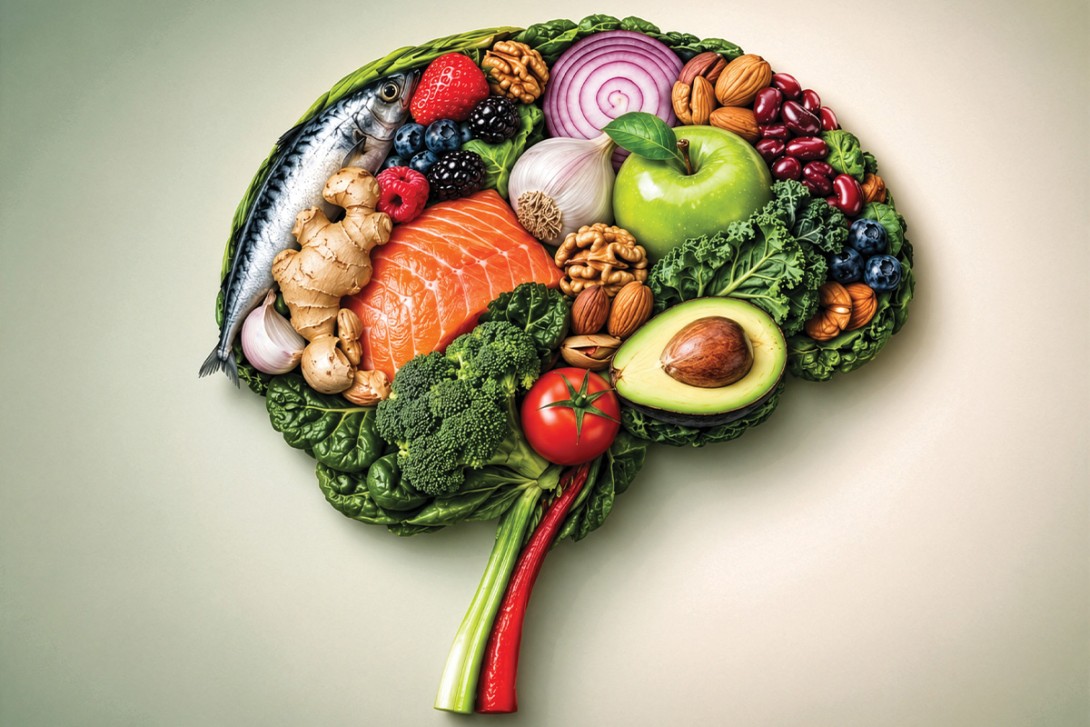
Nutrition is an important modifiable factor in dementia prevention and management. Brain-healthy eating patterns and proactive nutritional support may help reduce dementia risk and maintain nutritional wellbeing throughout the course of cognitive decline.
- Up to 45% of dementia cases may be attributable to potentially modifiable risk factors, highlighting opportunities for prevention across the lifespan.
- Dietary patterns rich in fruit, vegetables, wholegrains and minimally processed foods are associated with a lower risk of dementia and other chronic diseases.
- Early cognitive decline may first present as difficulties with medication management, shopping or meal preparation, creating opportunities for early intervention.
- Monitoring nutritional status, body weight and eating behaviours is an important component of dementia care and may help identify emerging nutritional problems.
- Providing patients and carers with evidence-based nutrition advice and access to appropriate support services can help maintain nutritional health and quality of life throughout the course of dementia.
Population ageing has led to a marked increase in the number of people living with dementia, a figure that is projected to more than double to over 800,000 people in Australia by the 2050s.1 For those aged 65 years and older, this will equate to about eight people living with dementia per 100 older adults.1 Although age itself is a major driver of the increase in the prevalence of dementia, modifiable risk factors also contribute to risk.
Livingston et al. (2024) undertook an extensive review and meta-analysis of studies from around the world to estimate the population attributable fraction (PAF; i.e. the proportion of dementia cases that could theoretically be prevented if a risk factor was eliminated) and identified 14 potentially modifiable risk factors that accounted for 45% of the PAF.2 The top four highest weighted PAFs were hearing loss (7%) and high LDL cholesterol levels (7%) in midlife, low education in early life (5%) and social isolation in later life (3%).2 Risk factors (PAF%) associated with lifestyle during midlife were physical inactivity (2%), smoking (2%), diabetes (2%), hypertension (2%), obesity (1%) and excessive alcohol consumption (1%).2 Further factors were depression (3%) and traumatic head injury (3%) during midlife, and air pollution (3%) and visual loss (2%) in later life.2 These lifestyle and modifiable conditions may be evident during patient consultations. Addressing amenable lifestyle and other dementia risk factors requires a holistic approach involving medical management, allied health support and lifestyle changes. Dietary changes must therefore be considered when addressing dementia risk.
What are the potential causes of dementia?
The aetiology of dementia is complex and may be associated with several factors including:
- amyloid-beta peptide accumulation in the brain (associated with Alzheimer's disease)
- chronic inflammation (diet-, obesity- and age-related)
- oxidative stress (arising from inadequate dietary antioxidants or dysfunction of the antioxidation system)
- insulin resistance (type 2 diabetes)
- elevated homocysteine concentrations
- exposure to advanced glycation end products (by-products of frying and also found in butter, margarine and meat), suggesting that various dietary factors are associated with dementia risk.3
This food–dementia association may be via the contribution of a poor diet (high in saturated fat, sugar and salt) to hypertension, obesity and diabetes, or directly through certain foods or dietary patterns that possess potential anti-inflammatory, antioxidant and neuroprotective properties.3 Some risk factors for dementia are also risk factors for other chronic diseases; therefore, dietary modifications to optimise cognition may have multiple health benefits.
This article summarises the available evidence of the association between food, nutrition and cognition, as well as describing what constitutes a ‘brain-healthy’ eating pattern and which foods or dietary patterns are associated with an increased risk of dementia.
Food, nutrition and dementia
Most data describing associations between dietary intake and cognition are based on epidemiological studies, with limited data from randomised controlled trials. Available randomised controlled trials have investigated specific foods (e.g. berries), nutrients (e.g. omega 3 fatty acid, vitamin E) or components of food (e.g. carotenoid).4,5 Foods associated with a reduced risk of dementia, potentially because of their antioxidant, anti-inflammatory or neuroprotective qualities, are listed in Table 1.3 The consumption of these foods aligns with the Australian Guide to Healthy Eating (https://www.eatforhealth.gov.au), which provides generic advice and guidelines for health that are also suitable for people with recently diagnosed cognitive impairment.
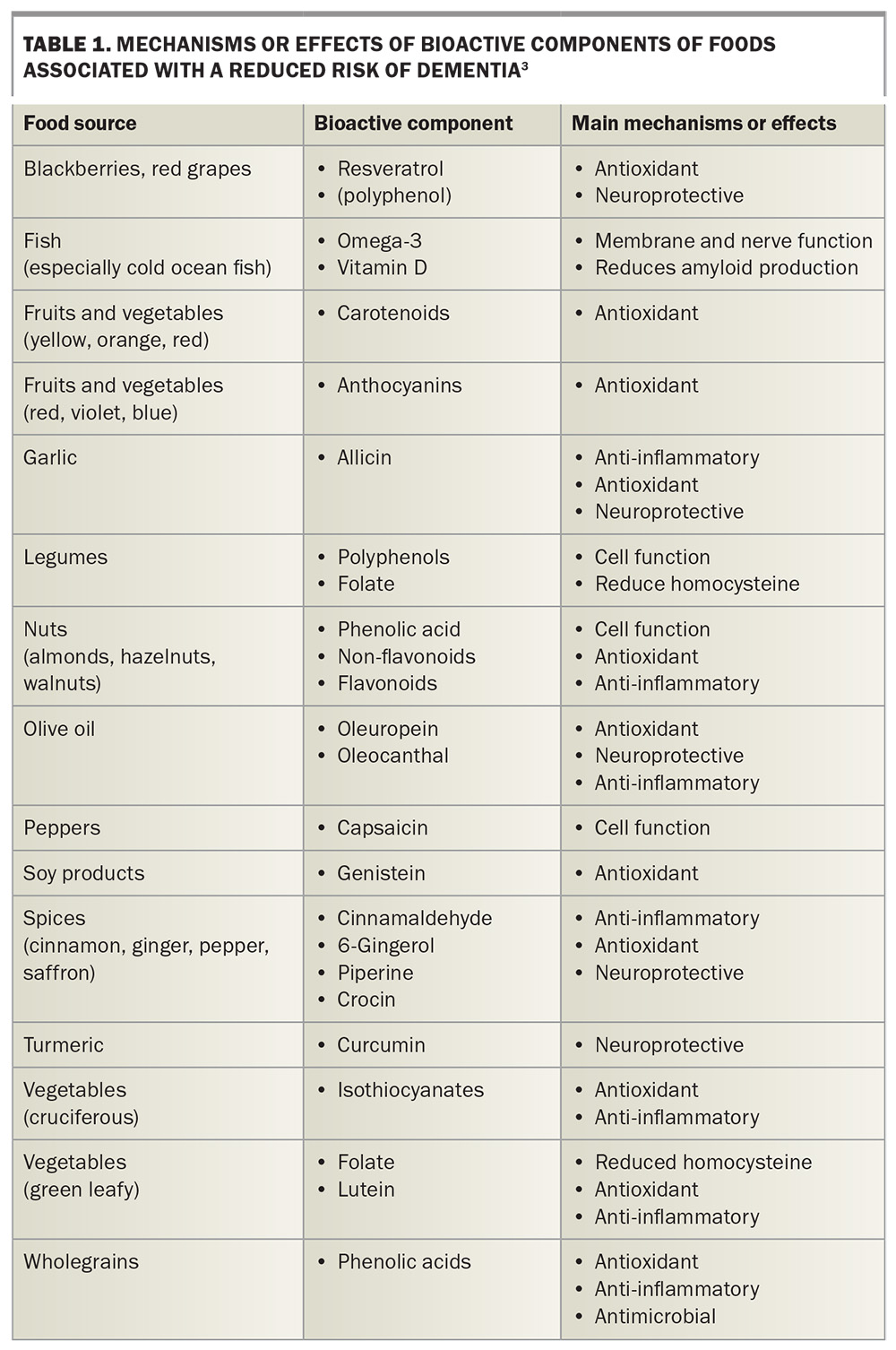
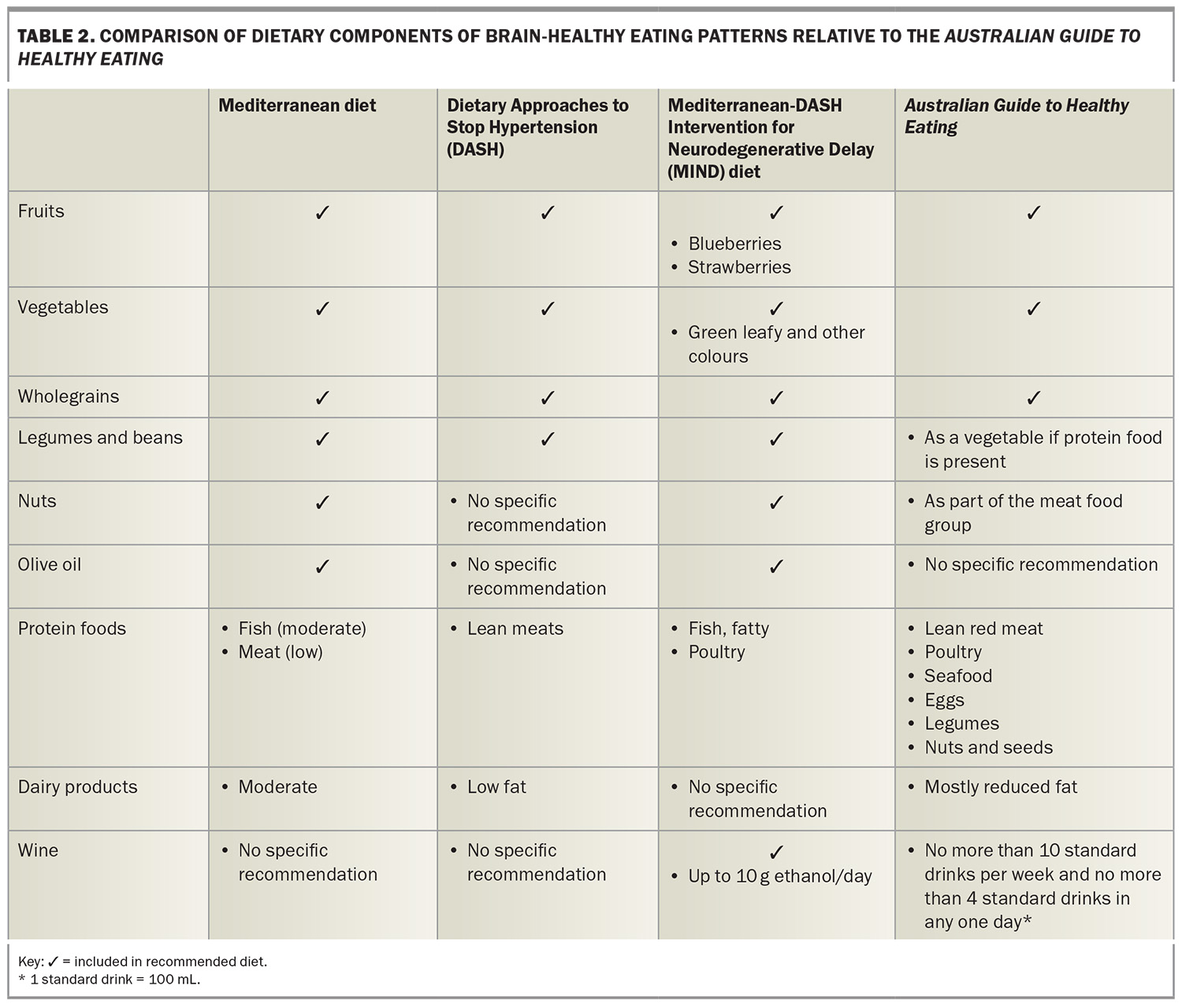
Although the specific nutrients, food components and whole foods indicated in Table 1 are associated with a reduced dementia risk, food is eaten in the context of an entire dietary pattern. Studies have shown that dietary patterns that resemble the Mediterranean (Med), Dietary Approaches to Stop Hypertension (DASH) and Med-DASH Intervention for Neurodegenerative Delay (MIND) diets may be associated with a lower risk of dementia compared with Western diets.6 The components of these diets are compared in Table 2. Similarities among all three eating patterns include the consumption of fruit, vegetables and wholegrains, with the MIND diet specifying certain fruits (e.g. berries) and vegetables (e.g. green leafy vegetables and other colours). The DASH diet was originally designed to lower hypertension and therefore does not specifically emphasise the consumption of nuts, olive oil and wine (up to 100 mL/day), which are considered ‘brain healthy’ foods.7
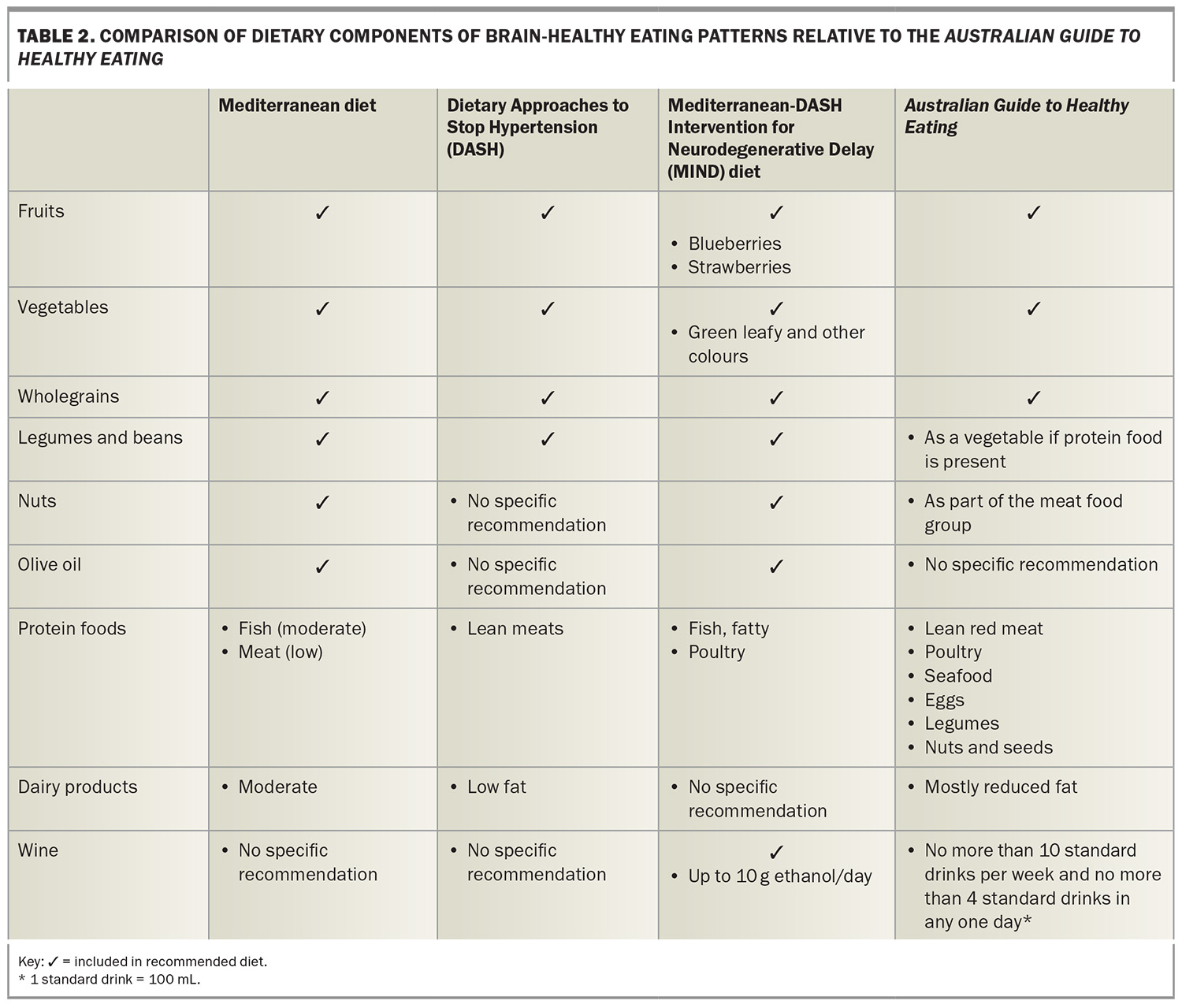
Protein sources, and the inclusion of dairy foods, vary between eating patterns. These inconsistencies are reflected in the literature. For example, some studies have reported an association between meat consumption and dementia risk.3 However, the calculation of meat intake may include both unprocessed and processed meats, despite unprocessed meats being considered a ‘core’ food and processed meat a ‘discretionary’ food in the Australian Guide to Healthy Eating.8 Zhang et al. (2021) undertook analyses including nearly half a million participants in the UK Biobank and found (using a model fully adjusted for basic demographics, dietary intake and other risk factors) that the consumption of 25 g per day of processed meat was associated with a 44% greater risk of dementia (hazard ratio [HR], 1.44; 95% confidence interval [CI], 1.24–1.67), but consumption of 50 g per day of unprocessed red meat was associated with a 19% lower risk of dementia (HR, 0.81; 95% CI, 0.69–0.95).9 Although poultry consumption is specified in the MIND diet, in the fully adjusted model, no significant association was observed between unprocessed poultry consumption and dementia risk (HR, 0.92; 95% CI, 0.83–1.02, p = 0.098 for trend).9
Moreover, a meta-analysis involving 15 studies reported that high consumption of fish was associated with an 18% lower risk of dementia compared with low consumption (relative risk [RR], 0.82; 95% CI, 0.73–0.93).10 The association between dairy (milk, yogurt, cheese) intake and dementia risk is inconsistent, likely because of variations in the type of dairy food, fat content, degree of fermentation and population characteristics.11,12 It needs to be acknowledged that methodological differences and heterogeneity are often observed between studies when combined in meta-analyses, so outcomes may only indicate associations.
Western diets are characterised by high intakes of added sugar, saturated fat and salt, which are features of many ultra-processed foods. A meta-analysis of 10 observational and longitudinal studies that included over 860,000 participants revealed that after adjustment for various confounders including age and social status, high (RR, 1.44; 95% CI, 1.09–1.90) but not moderate (RR, 1.12; 95% CI, 0.96–1.31) consumption of ultra-processed foods was associated with an increased risk of dementia compared with low consumption.13 The definition of ‘high intake’ varies between studies but may be expressed as tertiles: the top tertile (high intake) compared with the lowest tertile (low intake). However, the types of foods included in the analyses that were defined as ultra-processed were sugar-sweetened beverages, fast foods, salty snacks, processed meats, sweets, chocolates, pastries, cakes and ice cream. In the Australian Guide to Healthy Eating, these foods are categorised as ‘discretionary’ or non-core foods, and it is recommended that older adults eat between zero and 2.5 servings of these foods daily.8
Overall eating patterns characterised by high consumption of fruit, vegetables, wholegrains; moderate consumption of lean, animal-based protein foods; and low consumption of ultra-processed foods are associated with a reduced risk of dementia along with other noncommunicable diseases, such as cardiovascular disease, type 2 diabetes and obesity. This type of eating pattern aligns with the Australian Guide to Healthy Eating (Table 2). Moreover, certain foods in the MIND diet, such as berries, green leafy vegetables and wine (up to 100 mL serving/day), have antioxidant, anti-inflammatory and neuroprotective qualities that are associated with a lower risk of dementia.
Souvenaid, a nutritional supplement rather than a food, has received considerable attention, as it is purported to reduce the risk of progression of dementia in those with early-stage Alzheimer’s disease. A Cochrane review of three randomised controlled trials of moderate-quality evidence indicated that one study involving 311 participants conducted over two years found no difference in the incidence of dementia between those randomised to Souvenaid compared with controls (RR, 1.09; 95% CI, 0.82–1.43). Small differences in some aspects of cognitive function were observed, but these were considered below the estimates of meaningful changes.14 Two studies conducted over 24 weeks that involved 259 and 527 participants, respectively, found varied outcomes. Both studies revealed no differences in executive function and ability to perform activities of daily living. However, one study noted differences in cognition between Souvenaid-supplemented and control participants with mild cognitive impairment, whereas the other study observed no group differences. The authors of the review concluded there was little to no difference in dementia progression between Souvenaid-supplemented and control participants with mild to moderate cognitive impairment over 24 weeks.14 However, a 24-week period may be insufficient to detect changes in some measures of cognition if the decline is slow.
Subsequent analyses of the LipiDiDiet (Souvenaid) study at two and three years revealed a 35% reduction in the decline in aggregated measures of cognitive function in the treated compared with placebo group.15,16 However, the authors noted that the results need to be interpreted with caution, as it was a post-hoc analysis and there was a potential for bias because of high and disproportional dropout rates by three years, with only 32% of the original sample included in the analysis.15,16 The authors concluded that Souvenaid can be considered as part of an overall strategy to promote a healthy lifestyle and improve diet quality in those with mild to moderate dementia (Alzheimer’s disease).16 Therefore, clinicians may wish to inform patients with early-stage Alzheimer’s disease about Souvenaid as a potential adjunctive strategy.16
Nutritional changes with cognitive decline
Early stages of cognitive decline may go unnoticed compared with changes in nutritional intake and body weight. People with an early diagnosis often do not demonstrate eating problems and therefore do not perceive it as a problem and may not implement strategies to maintain nutritional adequacy.17 A study involving 104 Japanese older adults with a recent diagnosis of Alzheimer’s disease who exhibited very mild symptoms of cognitive decline (Mini-Mental State Examination score, 25.6 ± 1.5) were age- and sex-matched to 104 healthy controls. From the age of 65 years, those with cognitive impairment had greater difficulties managing their finances and medications compared with healthy controls but were able to perform other activities of daily living including shopping and preparing food. However, it was only after the age of 74 years that a decline in the ability to perform activities, such as shopping and food preparation, was observed compared with healthy controls.18 Therefore, in patients aged 65 to 75 years, asking about their medication management may provide insight into early cognitive difficulties if they express concerns.
In older patients (≥75 years of age), asking the additional question of how they are coping with shopping for and preparing food may provide an early indication of cognitive changes. Poor medication management and difficulties with these activities may serve as a trigger for further enquiry into their cognitive status. If a diagnosis is confirmed, strategies can be initiated to help prevent nutritional decline. This may include referring patients for an aged care assessment (https://www.myagedcare.gov.au/how-get-assessed), as they may be eligible for home support services, including meal delivery programs (e.g. Meals on Wheels) or social support programs that may be run by local councils, charity organisations or multicultural groups.
The annual health check for people aged 75 years and older may be an opportune time to monitor the nutritional status of patients with confirmed cognitive impairment by including a nutrition screen in the assessment. Several nutrition screening tools are available, such as the Mini Nutritional Assessment (https://www.mna-elderly.com) that can be used to monitor nutritional status. The short form of this assessment does not require any anthropometric measures and can be completed relatively quickly within the time available during the health check. Answers for some of the questions may be available in the patient’s health and medical records. Patients with cognitive impairment may benefit from having a carer or authorised representative present during the health check to confirm the information provided.
People diagnosed with dementia often report being overwhelmed in the early stages and often want factual and trustworthy information to guide them through the process of adjustment, including changes to food intake.19 Directing patients and carers to key organisations, such as Dementia Australia (https://www.dementia.org.au, which provides evidence-based information, support and strategies) or the National Dementia Helpline (1 800 100 500), may provide some reassurance. These resources provide many practical strategies to promote suitable food intake and mealtime practices to support those living with dementia. Dementia itself may lead to changes in food preferences and eating behaviours; therefore, at the very least, these resources inform people of potential changes and how to accommodate them. This may include how food is presented (e.g. finger foods) or eaten (e.g. grazing rather than having meals).
In addition to the person living with dementia, the health and wellbeing of their carer must also be considered, as stress and exhaustion are frequently reported and poor dietary patterns are observed in both carers and the person living with dementia for whom they provide care.20 Although it may not be clear whether these dietary patterns existed before the onset of dementia, addressing these issues and facilitating access to reputable resources and support services can help improve the nutritional care of those living with dementia and their carers.
As dementia progresses, patients may report eating more slowly, forgetting to eat (weight loss) or forgetting they have eaten (weight gain), having no hunger or thirst cues or changes in food preferences (sometimes favouring sweeter foods).19-21 Shinagawa et al. (2024), in a study involving 261 older adults living with dementia and their carers, reported that changes in weight, appetite, dysphagia and constipation are key concerns for those living with dementia.22 These concerns may need to be acknowledged and addressed during consultations with patients. Patients may need to be prompted to eat if appetite is low and drink fluids to help prevent constipation, and the texture of foods offered may need to be softened (to facilitate safe swallowing). Referral to a dietitian or speech pathologist may be required.
Monitoring weight changes during a routine visit may be a quick and useful indicator of nutritional status, as weight loss is a common feature among older adults living with dementia.21 If clinically significant weight loss is detected (e.g. progressive weight loss over three visits or weight loss of >5% within three months), appropriate interventions and referrals (e.g. to an accredited practising dietitian) can be made to assist the person (and carer) with strategies to correct the weight loss. Strategies may include smaller and more frequent meals, provision of finger foods and support to maintain adequate hydration.
Conclusion
Medical and healthcare practitioners play a pivotal role in recognising the early signs and symptoms of potential cognitive decline, facilitating timely diagnosis and subsequent referrals, supporting nutritional health and providing sound, evidence-based nutritional information to support patients and their carers throughout the dementia journey. MT
COMPETING INTERESTS: Associate Professor Iuliano has received grants or contracts from the Bone Health Foundation, National Health and Medical Research Council, Victorian Medical Research Acceleration Fund, Hort Innovations and Australian Eggs; has received lecture fees from Abbott, Dairy Australia, European Milk Forum, Global Dairy Platform, Maggie Beer Foundation, Nestle, Northern Ireland Dairy Council and South African Dairy; has received support for attending meetings from the European Milk Forum; and has a leadership or fiduciary role in the Australian Government National Aged Care Advisory Council.
ACKNOWLEDGEMENTS: Associate Professor Iuliano expresses her gratitude to Associate Professor Mark Yates for his valuable contribution to the article.
References
1. Australian Institute of Health and Welfare (AIHW). Dementia in Australia. Canberra: AIHW; 2024. Available online at: https://www.aihw.gov.au/reports/dementia/dementia-in-aus/contents/summary (accessed June 2026).
2. Livingston G, Huntley J, Liu KY, et al. Dementia prevention, intervention, and care: 2024 report of the Lancet standing Commission. Lancet 2024; 404: 572-628.
3. Grant WB, Blake SM. Diet’s role in modifying risk of Alzheimer’s disease: history and present understanding. J Alzheimers Dis 2023; 96: 1353-1382.
4. Power R, Nolan JM, Prado-Cabrero A, et al. Omega-3 fatty acid, carotenoid and vitamin E supplementation improves working memory in older adults: a randomised clinical trial. Clin Nutr 2022; 41: 405-414.
5. Cheatham CL, Canipe LG, 3rd, Millsap G, et al. Six-month intervention with wild blueberries improved speed of processing in mild cognitive decline: a double-blind, placebo-controlled, randomized clinical trial. Nutr Neurosci 2023; 26: 1019-1033.
6. Youn JE, Kwon YJ, Lee YJ, Heo SJ, Lee JW. Association of Mediterranean, high-quality, and anti-inflammatory diet with dementia in UK Biobank cohort. J Nutr Health Aging 2025; 29: 100564.
7. National Institute of Aging (NIH). What do we know about diet and prevention
of Alzheimer’s disease? Bethesda, Maryland: NIH; 2023. Available online at: https://www.nia.nih.gov/health/alzheimers-and-dementia/what-do-we-know-about-diet-and-prevention-alzheimers-disease (accessed June 2026).
8. Department of Health, Disability and Ageing. Australian Guide to Healthy Eating. Canberra: Australian Government; 2022. Available online at: https://www.eatforhealth.gov.au/guidelines/australian-guide-healthy-eating (accessed June 2026).
9. Zhang H, Greenwood DC, Risch HA, Bunce D, Hardie LJ, Cade JE. Meat consumption and risk of incident dementia: cohort study of 493,888 UK Biobank participants. Am J Clin Nutr 2021; 114: 175-184.
10. Godos J, Micek A, Currenti W, et al. Fish consumption, cognitive impairment and dementia: an updated dose-response meta-analysis of observational studies. Aging Clin Exp Res 2024; 36: 171.
11. Villoz F, Filippini T, Ortega N, et al. Dairy intake and risk of cognitive decline and dementia: a systematic review and dose-response meta-analysis of prospective studies. Adv Nutr 2024; 15: 100160.
12. Lu Y, Sugawara Y, Tsuji I. Association between dairy intake and risk of incident dementia: the Ohsaki Cohort 2006 Study. Eur J Nutr 2023; 62: 2751-2761.
13. Henney AE, Gillespie CS, Alam U, Hydes TJ, Mackay CE, Cuthbertson DJ. High intake of ultra-processed food is associated with dementia in adults: a systematic review and meta-analysis of observational studies. J Neurol 2024; 271: 198-210.
14. Burckhardt M, Watzke S, Wienke A, Langer G, Fink A. Souvenaid for Alzheimer’s disease. Cochrane Database Syst Rev 2020; 12(12): CD011679.
15. Hendrix SB, Soininen H, van Hees AMJ, et al. Alzheimer’s disease composite score: a post-hoc analysis using data from the LipiDiDiet trial in prodromal Alzheimer’s disease. J Prev Alzheimers Dis 2019; 6: 232-236.
16. Hendrix SB, Soininen H, Solomon A, et al. Combined evidence for a long-term, clinical slowing effect of multinutrient intervention in prodromal Alzheimer’s disease: post-hoc analysis of 3-year data from the LipiDiDiet trial. J Prev Alzheimers Dis 2023; 10: 464-470.
17. Anantapong K, Barrado-Martin Y, Nair P, et al. How do people living with dementia perceive eating and drinking difficulties? A qualitative study. Age Ageing 2021; 50: 1820-1828.
18. Tabira T, Hotta M, Murata M, et al. Age-related changes in instrumental and basic activities of daily living impairment in older adults with very mild Alzheimer’s disease. Dement Geriatr Cogn Dis Extra 2020; 10: 27-37.
19. O’Neill M, Duffy O, Henderson M, Davis A, Kernohan WG. Exploring the connection between dementia and eating, drinking and swallowing difficulty: findings from home-based semi-structured interviews. Int J Lang Commun Disord 2023; 58: 1738-1751.
20. Labyak C, Sealey-Potts C, Wright L, Kriek C, Dilts S. Informal caregiver and healthcare professional perspectives on dementia and nutrition. J Human Nutr Diet 2024; 37: 1308-1319.
21. Sun W, Matsuoka T, Imai A, Narumoto J. Relationship between eating problems and the risk of dementia: a retrospective study. Psychogeriatrics 2023; 23: 1043-1050.
22. Shinagawa S, Hashimoto M, Yamakage H, Toya S, Ikeda M. Eating problems in people with dementia with Lewy bodies: associations with various symptoms and the physician’s understanding. Int Psychogeriatr 2024; 36: 1194-1204.
Single article purchases are temporarily unavailable due to site maintenance.
If you would like to purchase an article during this time, please email us at [email protected] with the article details and we'll assist you directly. We'll also let you know when online purchasing is available again.
Thank you for your patience and understanding.