
Preventing COPD progression – smoking cessation and beyond
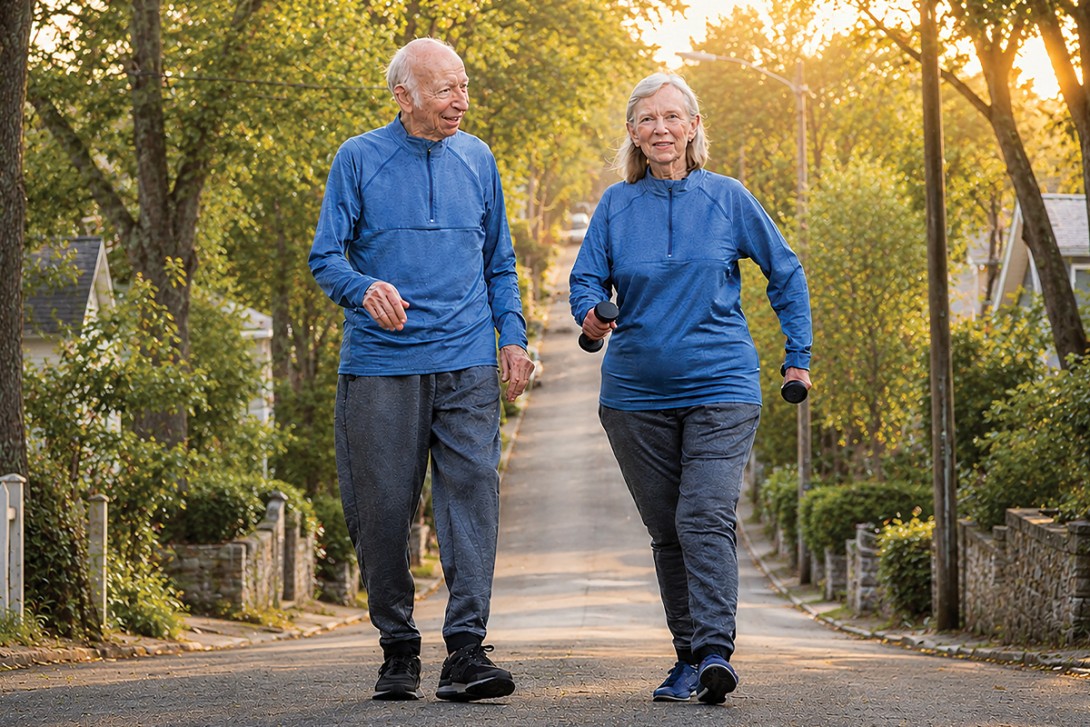
The progression of chronic obstructive pulmonary disease can be slowed through a combination of medical management, physical activity and rehabilitation, lifestyle interventions, smoking cessation and exacerbation reduction. A multifactorial approach is required, with patient engagement and ongoing review to reduce hospitalisation and mortality risk.
- Suspect chronic obstructive pulmonary disease (COPD) in adults aged over 35 to 40 years with a history of smoking or exposure to other risk factors who present with persistent or progressive respiratory symptoms.
- Use spirometry to confirm the diagnosis and determine the severity of airflow obstruction. Assessment of COPD severity goes beyond airflow limitation and includes symptom burden, exacerbation history and disease complications.
- Initiate smoking cessation, the single most important step for slowing COPD progression.
- Reduce symptoms and exacerbations to minimise disease progression and mortality. Refer patients to pulmonary rehabilitation and manage comorbidities, particularly cardiovascular disease.
- Use a multifaceted approach including smoking cessation, optimisation of medications, attendance at pulmonary rehabilitation, prevention and treatment of complications, such as infections and hypoxaemia, and minimisation of environmental exposures.
- Consider specialist referral for advanced therapies in selected patients.
Chronic obstructive pulmonary disease (COPD) affects an estimated one in 13 Australians aged over 40 years and is the leading cause of preventable hospitalisations related to chronic disease in Australia.1,2 It is characterised by airflow obstruction that is not fully reversible (postbronchodilator forced expiratory volume in one second [FEV₁]/forced vital capacity <0.70) despite optimal airway therapies. COPD is typically progressive and is associated with chronic respiratory symptoms, such as cough, breathlessness and fatigue, that can cause significant disability and reduced quality of life.
There is considerable overlap between COPD and the clinical features and treatable traits of asthma. Many patients with COPD have some reversibility of airflow obstruction with bronchodilator use, the two conditions are common and may coexist, and chronic asthma can lead to fixed airflow obstruction. A large increase in postbronchodilator FEV₁ may suggest asthma or coexisting asthma and COPD; however, patient history, symptom patterns and further investigations are required to confirm the diagnosis. Conversely, not all patients with asthma have demonstrable acute bronchodilator reversibility.
Tobacco smoking is by far the most important risk factor for COPD, accounting for over 70% of COPD cases in high-income countries.3 Smoking, in susceptible individuals, produces an accelerated decline in FEV₁ compared with nonsmokers, with the rate of decline related to smoking intensity and duration.4 This decline can be slowed, but not reversed, by smoking cessation, with earlier cessation producing greater benefit.5-8 Second-hand smoke exposure and hookah smoking are also implicated in COPD development, and recent meta-analyses have demonstrated an increased likelihood of COPD in regular users of e-cigarettes and vapes.9-12
Worldwide, up to one-third of COPD patients are nonsmokers.13,14 Exposure to dusts, gases, fumes and pesticides has been independently associated with COPD, and the risk compounds with smoking.15 Early evidence focused on inorganic dusts such as coal dust, silica and asbestos.16 However, there is growing recognition of the harm caused by organic dusts and irritant gases, such that agriculture, gardening, domestic cleaning and textiles should be considered high-risk occupations.16 Outdoor air pollution is also a risk factor for subsequent COPD development.17
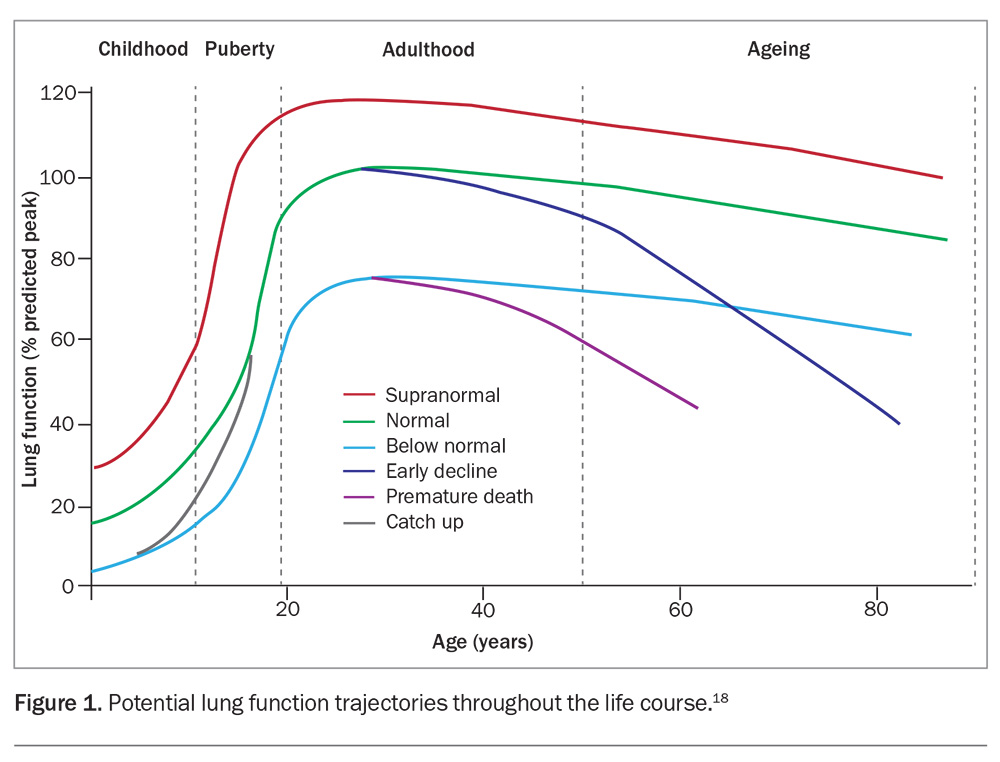
The trajectory of an individual’s lung function is determined by a complex interplay between exposures and genetic and environmental influences over their lifespan (Figure 1).18 In health, lung function rises during childhood and adolescence then begins to fall from around 20 to 25 years of age.19 Those who reach a lower level of peak lung function are at risk of developing COPD even with a normal rate of decline in adulthood.20 Low peak lung function may be due to pre- and perinatal influences, including maternal smoking, prematurity and low birthweight, or genetic conditions predisposing to COPD.21 The most established genetic condition in adult COPD is alpha-1 antitrypsin deficiency.22 In addition, lung development in childhood and adolescence can be impaired by lower respiratory tract infections and asthma, both of which result in a lower FEV₁ plateau later in life.23,24
From a broader socioeconomic perspective, increased rates of COPD are seen in Australians living in rural and remote areas and in those with a lower level of education.24,25 Aboriginal and Torres Strait Islander people experience a disproportionate burden of COPD, with the prevalence estimated to be 1.3 times higher than in the general population. Furthermore, the mortality rate of COPD among Aboriginal and Torres Strait Islander Australians was estimated to be 3.1 times higher than the rate in the general population.26 These findings present opportunities to intervene earlier and reduce health inequities in the pathogenesis of COPD.
Exacerbations
Exacerbations of COPD, defined as acute events in which symptoms worsen over a few days, with increased dyspnoea with or without cough and sputum, become more frequent and severe as COPD progresses.17 Exacerbations may lead to a more rapid decline in FEV₁, although not all treatments that reduce exacerbations show a corresponding reduction in the rate of FEV₁ decline.27-29 In patients with mild COPD, each exacerbation may result in an additional 23 mL/year decline in lung function, which rises to 87 mL/year for each severe exacerbation.28 Prevention, early detection and prompt management of exacerbations before they become severe are therefore key priorities in slowing the progression of COPD.
COPD evaluation
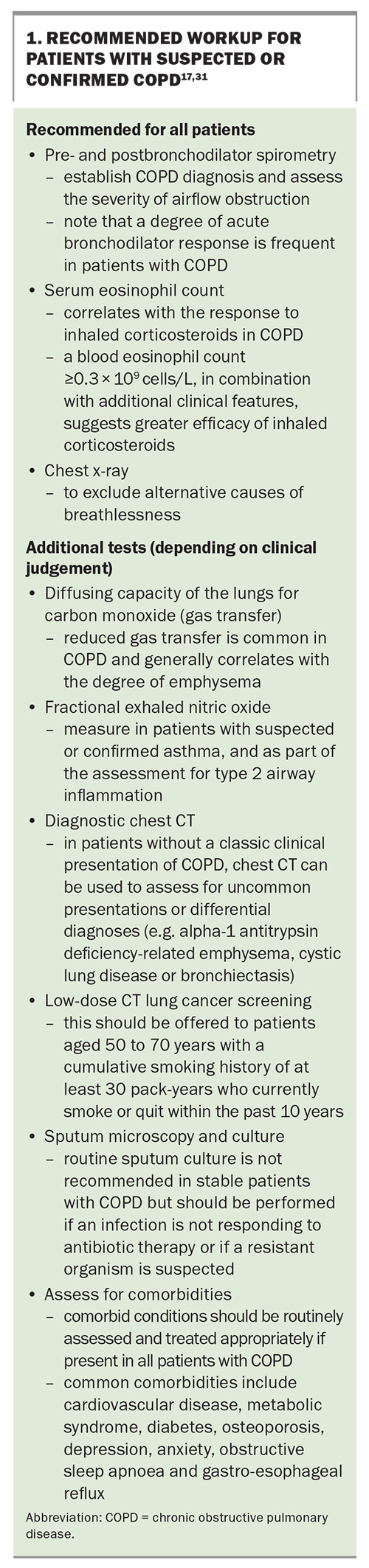
The diagnosis of COPD is based on airflow obstruction on postbronchodilator spirometry in people with dyspnoea, cough and sputum and a history of smoking or other exposures.30,31 Further evaluation includes assessing the severity of airflow obstruction, overall COPD severity, functional status, rate of disease progression, complications and associated comorbidities. All patients with a new diagnosis of COPD should undergo pre- and postbronchodilator spirometry for diagnosis and for assessment of coexistent asthma. Consider a plain chest x-ray to assess for comorbidities, and measure blood eosinophil count and, where clinically indicated, fractional exhaled nitric oxide to assess for airway inflammatory biomarkers. Additional investigations may be appropriate, depending on the clinical scenario (Box 1).17,31
The National Lung Cancer Screening Program is a new Australian initiative that offers free, low-dose CT scans to high-risk individuals to detect lung cancer early. The program targets people aged 50 to 70 years who are asymptomatic but have a history of smoking of at least 30 pack-years or who have quit smoking within the past 10 years.5 Referral should be considered for all individuals who meet the criteria.
Optimisation of COPD management
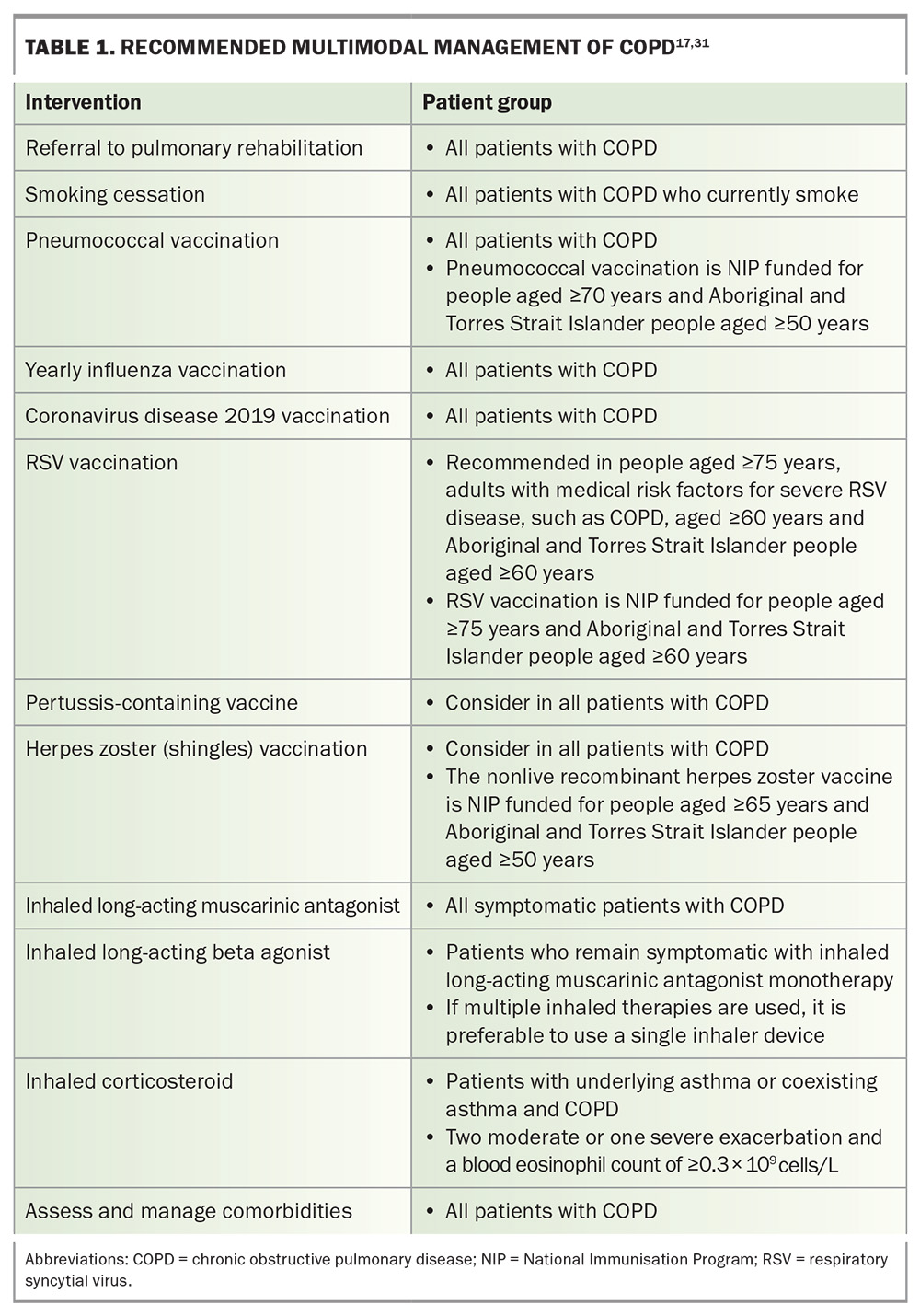
The goals for the treatment of stable COPD are to reduce the symptoms of exercise limitation and impaired health status, and to lower the risk of disease progression, exacerbations and mortality (Table 1).17,31
Smoking cessation and environmental exposure reduction
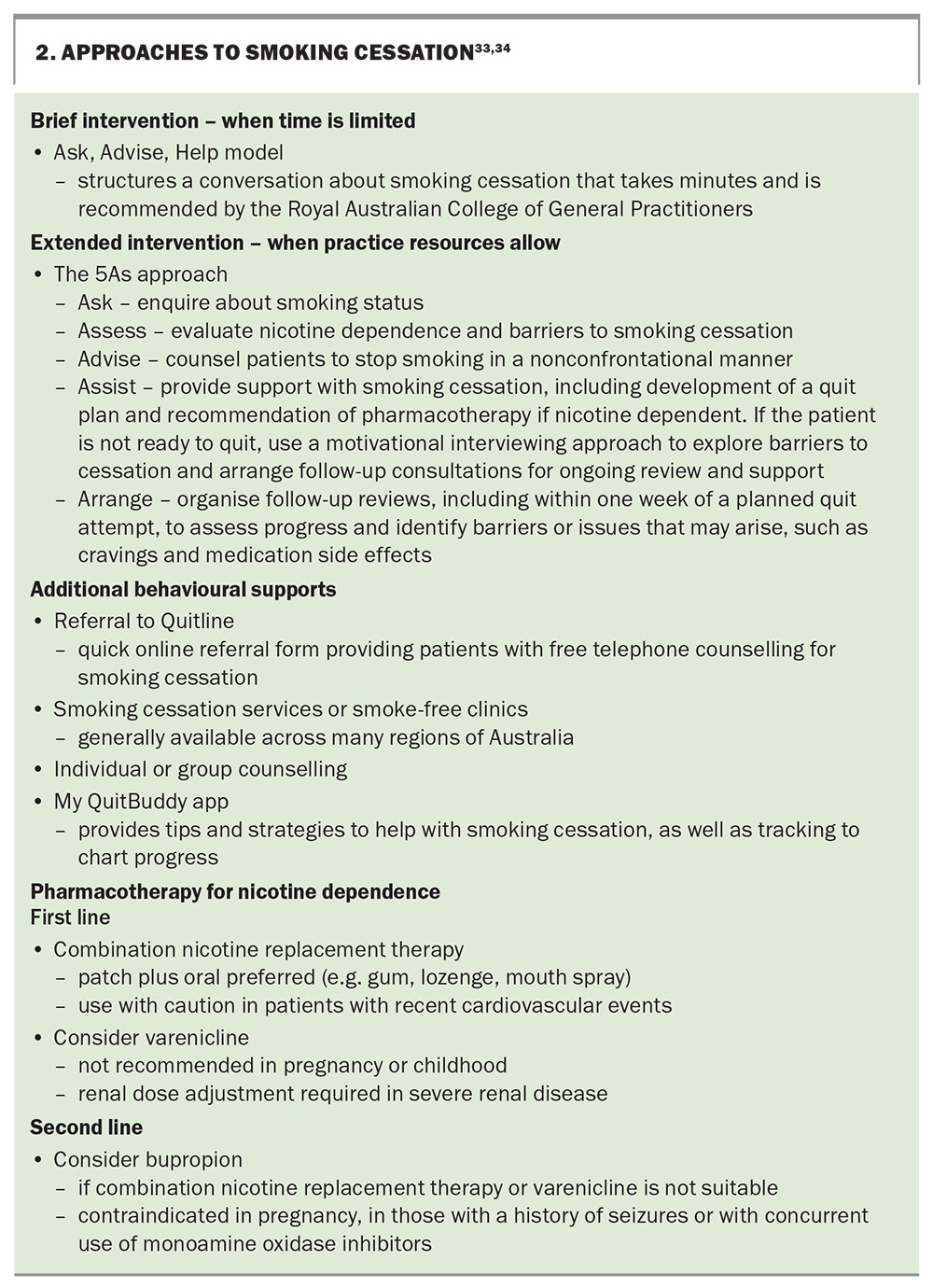
For patients who continue to smoke, smoking cessation is the most important intervention to reduce COPD progression.32 When time is limited, the Ask, Advise, Help model for Quitline is a useful brief intervention for opportunistic smoking cessation advice and assistance (Box 2).33,34 If a practice has the capacity to offer comprehensive support for cessation, then the 5As approach (Ask, Assess, Advise, Assist, Arrange) provides a structure.35 Development of a system for identifying all people who smoke and documenting smoking status is advised for every practice. Offer brief cessation advice during routine consultations and appointments whenever possible, as well as follow-up support to all individuals who are attempting to quit smoking. Interventions can be delivered over a series of consultations.
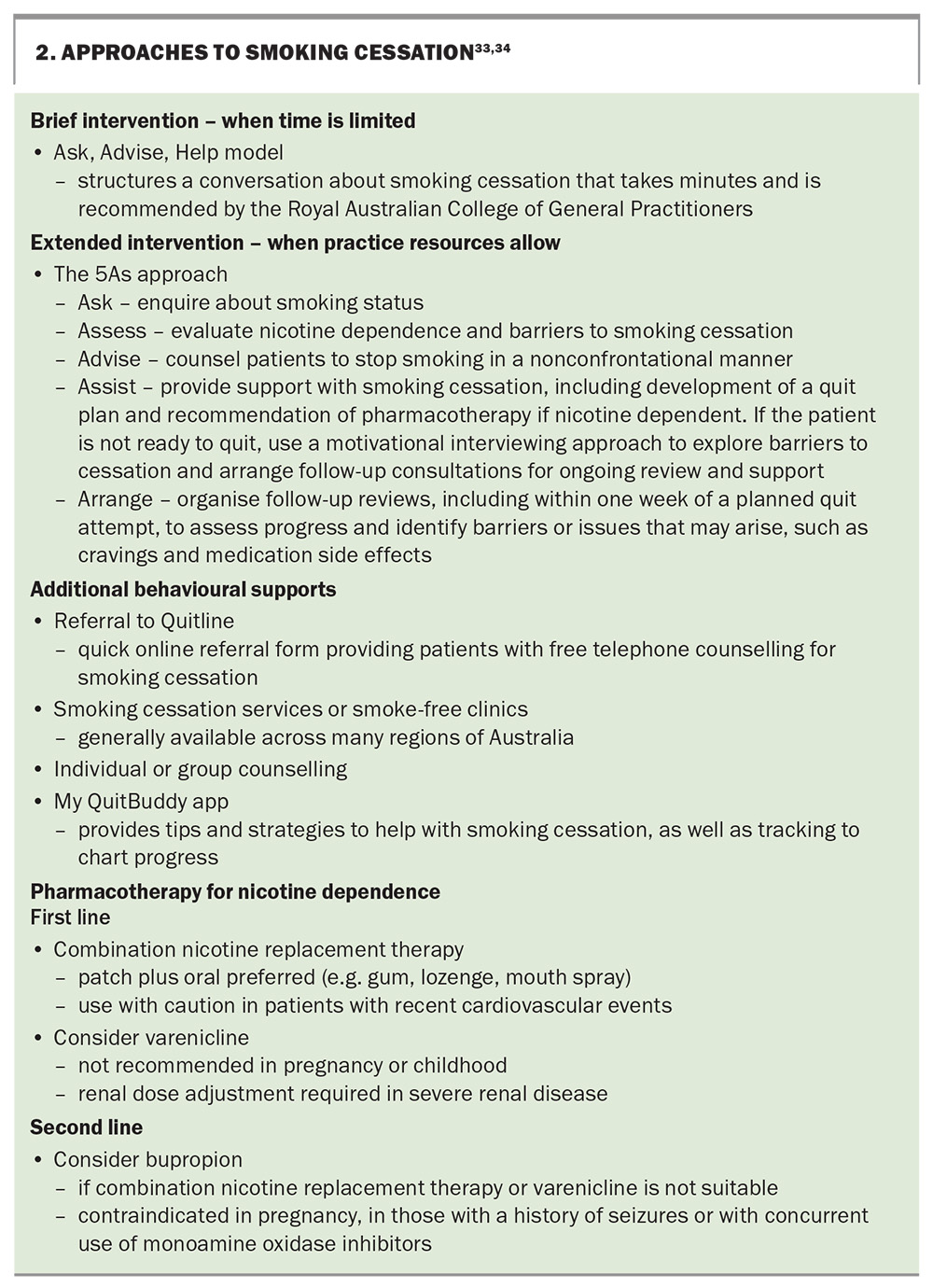
Cessation rates tend to increase with the combination of pharmacotherapy (nicotine replacement therapy, varenicline or bupropion) and behavioural support via primary care practitioners and smoking cessation services (Box 2).33,34,36,37 Avoidance of environmental exposures, second-hand smoke and other types of tobacco and cannabis is also important.38,39
E-cigarettes have adverse impacts on lung health and their use is not advocated.40 However, short-term use of nicotine vaping products, in conjunction with behavioural support and regular review, may help some individuals to quit smoking if first-line cessation aids have been unsuccessful.36
Immunisations
Respiratory viruses and pneumococcal disease are common triggers of COPD exacerbations and people with COPD should receive all relevant vaccinations under Australian guidelines.41 Influenza vaccination reduces exacerbation frequency and trends towards fewer hospitalisations.40,42 Pneumococcal vaccination decreases the risk of community-acquired pneumonia in people with COPD and significantly reduces exacerbations, particularly in older adults.43 Coronavirus disease 2019 vaccination appears similarly protective, with lower risks of emergency visits for COPD exacerbations in vaccinated individuals.44
The Australian Immunisation Handbook (AIH) recommends a single dose of respiratory syncytial virus (RSV) vaccine for
- adults aged 75 years and older
- Aboriginal and Torres Strait Islander people aged 60 years and older
- adults aged 60 years and older with a medical risk condition that increases their risk of severe RSV disease, including chronic respiratory conditions such as COPD.45
However, although RSV vaccination is funded through the National Immunisation Program for adults aged 75 years and older and Aboriginal and Torres Strait Islander people aged 60 years and older, it is not currently funded for adults aged 60 years and older with medical risk conditions alone.
People with COPD are at increased risk of pertussis and herpes zoster (shingles) infections.17,46 The AIH recommends pertussis-containing vaccine in adults aged 65 years and older if their last dose was over 10 years ago, and in adults who want to reduce their risk of pertussis infection.45 Shingles can be more severe in those with COPD, with increased pain and potential for complications such as pneumonia. The nonlive recombinant herpes zoster vaccine is recommended in the AIH for people aged 50 years and older who are immunocompetent and is funded through the National Immunisation Program for non-Indigenous adults aged 65 years and older and Aboriginal and Torres Strait Islander people aged 50 years and older.45
Exercise, active lifestyle and nutrition
Pulmonary rehabilitation, a program of exercise and self-management education, is the most effective nonpharmacological intervention for COPD. Pulmonary rehabilitation results in reduced hospitalisations for acute respiratory exacerbations, fewer symptoms and improved quality of life and function compared with no rehabilitation.47,48 Emerging evidence suggests that pulmonary rehabilitation participation may contribute to longer-term survival, with recent analyses demonstrating lower mortality among individuals attending rehabilitation compared with controls.49
Pulmonary rehabilitation is significantly underutilised, with major patient-centred barriers including transport and travel requirements that limit access and program completion.50 Recent evaluation of remotely delivered pulmonary rehabilitation programs, referred to as ‘telerehabilitation’, demonstrated markedly higher completion rates of 93% versus 70% for centre-based programs, while achieving comparable clinical outcomes. This suggests an important role for remote models in improving equity of access and uptake of evidence-based care.51 In Australia, information on pulmonary rehabilitation service availability can be found online at: https://lungfoundation.com.au/support-service-lung-foundation-australia-listing/.
Some people with COPD may not report significant dyspnoea because they have progressively limited their activity levels over time to avoid breathlessness.52-54 Assessment of an individual’s usual physical activities and changes over time is useful to identify this pattern.
Regular physical activity provides additional protection against COPD exacerbations. A higher level of daily physical activity is associated with fewer severe exacerbations and hospital admissions, as well as reduced all-cause and respiratory mortality.55 Small studies suggest that physical activity may contribute to a slower decline in FEV₁ and forced vital capacity and reduced mortality risk. It may also have an additive effect in those receiving long-term bronchodilator therapy, although further research is needed.56-58
Anxiety and depression occur more frequently in individuals with COPD than in the general population or in those with other chronic illnesses and are linked to increased exacerbations and reduced treatment adherence.59,60 Pulmonary rehabilitation has consistently been shown to improve anxiety and depression, and complementary therapies including cognitive behavioural therapy, mindfulness and counselling enhance coping.59,61 Importantly, there is no evidence that management of anxiety or depression should differ solely because of the presence of COPD.61
Nutrition plays a key role in long-term disease stability. Diets with greater intake of fruit, vegetables, fibre, vitamins C and E, polyphenols and beta-carotene are associated with reduced COPD risk.62 Malnutrition is common in COPD and independently predicts poorer functional capacity and elevated exacerbation risk.63 Low body mass index (<20 kg/m2) is associated with higher mortality, reduced exercise tolerance and increased hospitalisations, particularly among patients with an emphysematous phenotype.64 Targeted interventions, including tailored dietary counselling, can improve inspiratory muscle strength and quality of life.63 Pulmonary rehabilitation remains the most effective means of reversing skeletal muscle dysfunction and may assist with osteoporosis management.64
Self-management and education
Exacerbations, even if not severe, are a key driver of COPD progression. It is estimated that at least 50% of exacerbations remain undiagnosed and thus untreated.65 Every exacerbation increases the risk of future exacerbations and subsequent disease progression, and untreated mild-to- moderate exacerbations may progress to severe.66 The COPD Assessment Test (CAT; score range 0 to 40, with higher scores indicating worse health status) or its validated modification for use across chronic airway diseases, the Chronic Airways Assessment Test (CAAT), can be used to monitor patient-reported respiratory symptoms.67,68
Self-management education, with a written action plan, can help patients to identify and act on exacerbations early. Studies on the utility of self-management in COPD, however, have shown conflicting results.69,70 Effective plans are personalised with respect to monitoring and management, avoidance of aggravating factors, services to contact in the event of deterioration and ongoing support. A COPD action plan is available at: https://lungfoundation.com.au/support-resources/resource-hub/copd-action-plan-2/.
Self-management education may be associated with reduced emotional distress and improvements in dyspnoea, anxiety, depression and health status over six months.71 Participants engaging in self-management education may show a modest reduction in respiratory-related hospital admissions.72 Although the effects on smoking cessation, mortality and lung function remain inconsistent, disease-specific self-management education is central to exacerbation reduction.73
Management of comorbidities
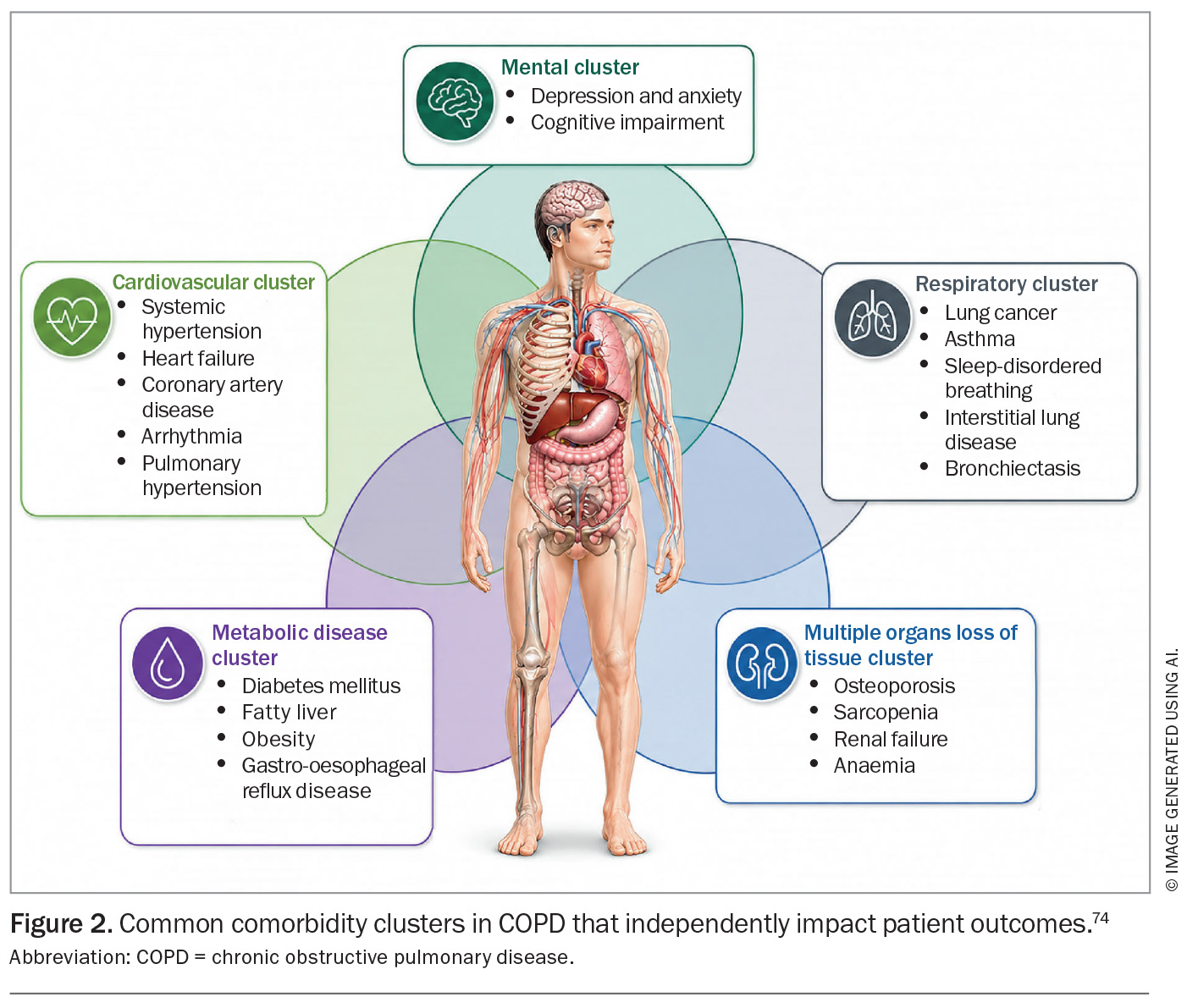
Multimorbidity is common in COPD and is associated with worse prognosis, more frequent exacerbations and greater symptom burden (Figure 2).59,74 Comorbidities found to be significantly related to poor COPD control and exacerbations include cardiovascular diseases, anxiety and depression, metabolic diseases (diabetes, arterial hypertension and abdominal obesity), osteoporosis, obstructive sleep apnoea and gastro-oesophageal reflux.75 Despite this, delayed diagnosis and underdiagnosis of comorbid diseases are common in COPD. Additionally, COPD exacerbations significantly increase the risk of acute cardiovascular events, particularly within the first 30 days, with impacts lasting six years or longer.76,77 Identification and optimal management of comorbidities can improve COPD control and cardiovascular morbidity and mortality.
Inhaler therapy
Selection of a device type must be tailored to a patient’s ability and preferences, as well as the availability and cost of the drug or drugs in the device. The number of different device types should be minimised for each patient. If multiple inhaled therapies are to be used, then it is preferable to use them in a single inhaler device. The importance of checking inhaler technique and adherence at each review cannot be overemphasised; incorrect inhaler technique is very common and is associated with worse outcomes.28 The Lung Foundation Australia website has patient-friendly resources, including videos demonstrating inhaler technique for all inhalers: https://lungfoundation.com.au/support-and-resources/.
The initial strategy for stable COPD is bronchodilation, often with a long-acting muscarinic antagonist (LAMA). LAMA therapy has a greater effect on exacerbation frequency than long-acting beta-2 agonist (LABA) therapy and has been shown to significantly reduce lung function loss in early COPD.78 A phenotype-guided step-up approach is recommended.79 Patients who remain symptomatic while receiving LAMA monotherapy can be escalated to combination LAMA/LABA therapy.80
Inhaled corticosteroids (ICS) can be added in patients who continue to have exacerbations (≥1 severe exacerbation or ≥2 moderate exacerbations in the past 12 months) despite LAMA/LABA use.17,80 Not all patients with COPD benefit from ICS. Milder disease, no comorbid asthma, no or infrequent exacerbations and low blood eosinophil count (<0.1 × 10⁹ cells/L) suggest a lower likelihood of a positive ICS response, whereas those with an eosinophil count greater than or equal to 0.3 × 10⁹ cells/L are more likely to benefit.17,80 Patients with coexistent asthma should receive ICS.
Cautious dose reduction or withdrawal of ICS may be appropriate in those who are less likely to benefit, or who have had potential ICS complications such as severe or recurrent pneumonia, or nontuberculous mycobacterial infection.17,80 In those with chronic bronchitis, mucolytic agents may lead to a small reduction in the number of exacerbations.81
Specialist review: advanced and interventional therapy in stable COPD
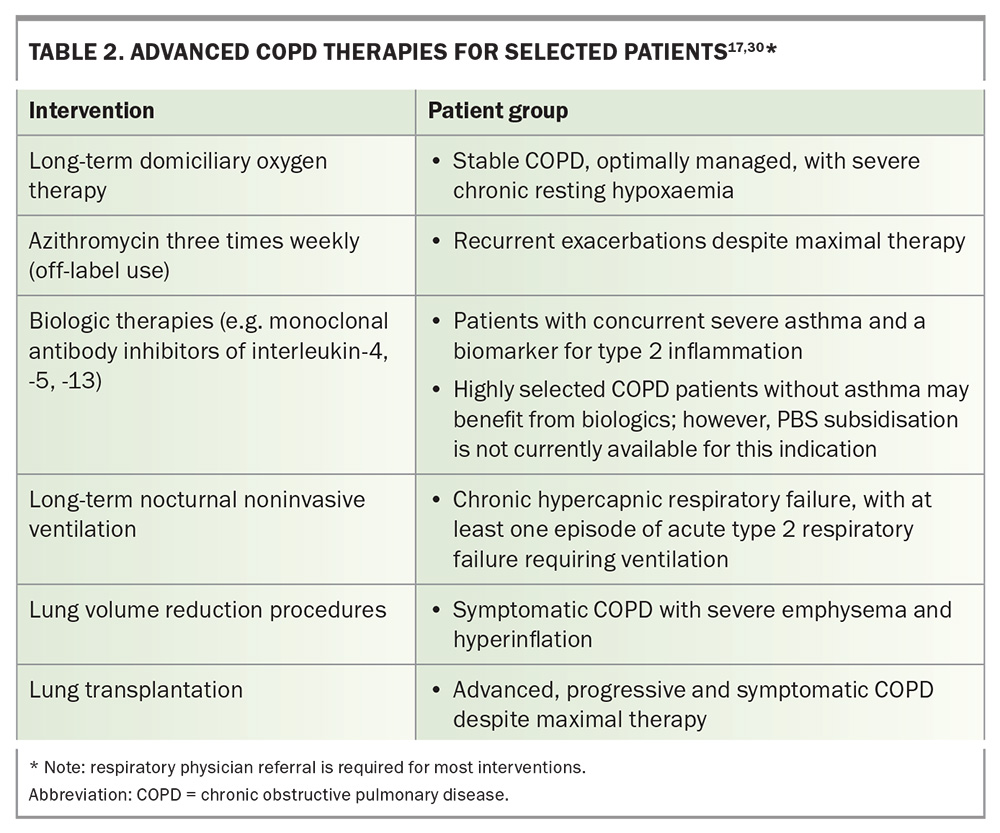
Patients with persistent symptoms or exacerbations despite appropriate combination inhaler therapy and nonpharmacological management should be referred to a respiratory physician (Table 2).17,30
Long-term macrolide therapy
Patients with moderate-to-severe disease and recurrent exacerbations may benefit from long-term low-dose macrolide therapy, such as azithromycin.82 This indication is off label and is not subsidised by the PBS for long-term use. Potential significant adverse effects of macrolides include cardiac toxicity, ototoxicity, diarrhoea and development of antibiotic resistance. In particular, a major concern with long-term macrolide use in patients with underlying lung disease, such as bronchiectasis or COPD, is the emergence of resistant Mycobacterium avium complex infections.
Biologic therapies
Significant research into the inflammatory pathways in COPD pathophysiology has led to the use of biologic therapies targeting specific inflammatory pathways. However, biologic therapies for COPD are currently prescribed only in specialist settings. In patients with blood eosinophil counts greater than or equal to 0.3 × 10⁹ cells/L, dupilumab, a monoclonal antibody targeting the interleukin-4 receptor alpha subunit and inhibiting interleukin-4 and interleukin-13 signalling, significantly reduced rates of moderate or severe exacerbations compared with placebo in two randomised trials.83,84 As of early 2025, dupilumab is TGA approved in adults as an add-on maintenance treatment for uncontrolled COPD characterised by raised blood eosinophils on a stable combination of a LAMA, a LABA and ICS, or a combination of a LABA and a LAMA if ICS is not appropriate. However, dupilumab is not subsidised by the PBS for this indication. Mepolizumab, an interleukin-5 inhibitor, has been TGA approved for uncontrolled COPD with raised blood eosinophils on stable inhaler triple therapy and is also not PBS subsidised for this indication. Patients with coexisting severe asthma may be able to access these medications via existing, stricter PBS criteria for severe asthma. Trials of other biologic therapies are ongoing.
Long-term respiratory support
In patients with stable COPD and severe chronic resting hypoxaemia, use of long-term home oxygen therapy increases survival. Oxygen is usually supplied to patients meeting specific clinical and means-testing criteria set by state or regional health departments in Australia and New Zealand.80 Long-term home noninvasive ventilation may be considered in selected patients with severe chronic hypercapnia and recurrent admissions with respiratory failure and may lead to reduced hospital admissions with exacerbations.17
Interventional and surgical therapies
Interventional therapy in specialist centres may benefit appropriately selected patients with severe emphysema. Lung volume reduction surgery, bronchoscopic interventions with valves, coils or vapour ablation or bullectomy may lead to improvements in lung function, symptoms and quality of life.85,86 In patients with very severe COPD, lung transplantation has been shown to improve quality of life and functional capacity and may improve survival.80
Conclusion
Slowing the progression of COPD requires removal or minimisation of exposures, prevention of exacerbations and optimisation of function. Smoking cessation is the single most important intervention in patients who are still smoking, and a combination of pharmacotherapy and behavioural counselling is most effective. Avoidance of other forms of smoke inhalation and minimising occupational exposures are also important to reduce the rate of lung function decline. Regular vaccinations and appropriate inhaler therapy with good adherence and technique can reduce exacerbations and keep symptoms at bay, whereas regular physical activity, adequate nutrition and management of comorbidities can help patients with COPD maintain their quality of life and delay the onset of disability. Pulmonary rehabilitation should be offered to all patients with COPD and improves quality of life and exercise capacity while reducing exacerbation risk. Patients with persistent symptoms, frequent exacerbations or severe disease despite optimal inhaler therapy and lifestyle measures should be referred to a respiratory physician for consideration of advanced therapies, including home oxygen therapy, biologic therapies, long-term macrolides and lung volume reduction. MT
COMPETING INTERESTS: Associate Professor Miller has received payment for presentations for Respiratory Watch; is a Clinical Advisor on the Domiciliary Oxygen Therapy for the State Wide Equipment Program; is an Assessor for the National Association of Testing Authorities; and is Chair of the Advanced Training Committee for Respiratory and Sleep Medicine for the Royal Australasian College of Physicians, The Thoracic Society of Australia and New Zealand and the Australasian Sleep Association. Dr Chi, Ms Elliott, Dr Chandrasekara and Dr Chhor: None.
References
1. Toelle BG, Xuan W, Bird TE, et al. Respiratory symptoms and illness in older Australians: the Burden of Obstructive Lung Disease (BOLD) study. Med J Aust 2013; 198: 144-148.
2. Australian Institute of Health and Welfare (AIHW). Potentially preventable hospitalisations. Canberra: AIHW; 2025. Available online at: https://www.aihw.gov.au/hospitals/topics/admitted-patient-safety-and-quality/potentially-preventable-hospitalisations (accessed May 2026).
3. World Health Organization (WHO). Chronic obstructive pulmonary disease (COPD). Geneva: WHO; 2024. Available online at: https://www.who.int/news-room/fact-sheets/detail/chronic-obstructive-pulmonary-disease-(copd) (accessed May 2026).
4. Rey-Brandariz J, Perez-Rios M, Ahluwalia JS, et al. Tobacco patterns and risk of chronic obstructive pulmonary disease: results from a cross-sectional study. Arch Bronconeumol 2023; 59: 717-724.
5. Doll R, Peto R, Boreham J, Sutherland I. Mortality in relation to smoking: 50 years’ observations on male British doctors. BMJ 2004; 328: 1519.
6. Lee PN, Fry JS. Systematic review of the evidence relating FEV1 decline to giving up smoking. BMC Med 2010; 8: 84.
7. Oelsner EC, Balte PP, Bhatt SP, et al. Lung function decline in former smokers and low-intensity current smokers: a secondary data analysis of the NHLBI Pooled Cohorts Study. Lancet Respir Med 2020; 8: 34-44.
8. Fletcher C, Peto R. The natural history of chronic airflow obstruction. Br Med J 1977; 1: 1645-1648.
9. Bahtouee M, Maleki N, Nekouee F. The prevalence of chronic obstructive pulmonary disease in hookah smokers. Chron Respir Dis 2018; 15: 165-172.
10. Su WC, Juan HL, Lee JI, Huang SP, Chen SC, Geng JH. Secondhand smoke increases the risk of developing chronic obstructive pulmonary disease. Sci Rep 2024; 14: 7481.
11. Song C, Hao X, Critselis E, Panagiotakos D. The impact of electronic cigarette use on chronic obstructive pulmonary disease: a systematic review and meta-analysis. Respir Med 2025; 239: 107985.
12. Shabil M, Malvi A, Khatib MN, et al. Association of electronic cigarette use and risk of COPD: a systematic review and meta-analysis. NPJ Prim Care Respir Med 2025; 35: 31.
13. Rodriguez Garcia C, Ruano-Ravina A, Perez Rios M, et al. Clinical characteristics of chronic obstructive pulmonary disease in never-smokers: a systematic review. Respir Med 2023; 214: 107284.
14. Lytras T, Kogevinas M, Kromhout H, et al. Occupational exposures and 20-year incidence of COPD: the European Community Respiratory Health Survey. Thorax 2018; 73: 1008-1015.
15. Murgia N, Brisman J, Olin AC, Dahlman-Hoglund A, Andersson E, Toren K. Occupational risk factors for airway obstruction in a population-based study in Northern Europe. Am J Ind Med 2021; 64: 576-584.
16. Murgia N, Gambelunghe A. Occupational COPD–the most under-recognized occupational lung disease? Respirology 2022; 27: 399-410.
17. Global Initiative for Chronic Obstructive Lung Disease (GOLD). Global strategy for the prevention, diagnosis and management of COPD: 2026 report. GOLD; 2026. Available online at: https://goldcopd.org/2026-gold-report-and-pocket-guide/ (accessed May 2026).
18. Agusti A, Faner R. Lung function trajectories in health and disease. Lancet Respir Med 2019; 7: 358-364.
19. Agusti A, Hogg JC. Update on the pathogenesis of chronic obstructive pulmonary disease. N Engl J Med 2019; 381: 1248-1256.
20. Lange P, Celli B, Agusti A, et al. Lung-function trajectories leading to chronic obstructive pulmonary disease. N Engl J Med 2015; 373: 111-122.
21. Martinez FD. Early-life origins of chronic obstructive pulmonary disease. N Engl J Med 2016; 375: 871-878.
22. Strnad P, McElvaney NG, Lomas DA. Alpha(1)-antitrypsin deficiency. N Engl J Med 2020; 382: 1443-1455.
23. Bui DS, Lodge CJ, Burgess JA, et al. Childhood predictors of lung function trajectories and future COPD risk: a prospective cohort study from the first to the sixth decade of life. Lancet Respir Med 2018; 6: 535-544.
24. Ivey MA, Smith SM, Benke G, et al. COPD in never-smokers: BOLD Australia study. Int J Chron Obstruct Pulmon Dis 2024; 19: 161-174.
25. Australian Institute of Health and Welfare (AIHW). Chronic obstructive pulmonary disease. Canberra: AIHW; 2024. Available online at: https://www.aihw.gov.au/reports/chronic-respiratory-conditions/copd (accessed May 2026).
26. Australian Institute of Health and Welfare (AIHW). 1.04 Respiratory disease. Aboriginal and Torres Strait Islander health performance framework. Canberra: AIHW; 2026. Available online at: https://www.indigenoushpf.gov.au/measures/ 1-04-respiratory-disease (accessed June 2026).
27. Celli BR, Thomas NE, Anderson JA, et al. Effect of pharmacotherapy on rate of decline of lung function in chronic obstructive pulmonary disease: results from the TORCH study. Am J Respir Crit Care Med 2008; 178: 332-338.
28. Dransfield MT, Kunisaki KM, Strand MJ, et al. Acute exacerbations and lung function loss in smokers with and without chronic obstructive pulmonary disease. Am J Respir Crit Care Med 2017; 195: 324-330.
29. Makris D, Moschandreas J, Damianaki A, et al. Exacerbations and lung function decline in COPD: new insights in current and ex-smokers. Respir Med 2007; 101: 1305-1312.
30. Agustí A, Celli BR, Criner GJ, et al. Global Initiative for Chronic Obstructive Lung Disease 2023 Report: GOLD executive summary. Eur Respir J 2023; 61: 2300239.
31. Yang IA, Johnson G, McDonald CF, et al. The COPD-X Plan. Australian and New Zealand guidelines for the management of chronic obstructive pulmonary disease 2024. Version 2.76. Brisbane: Lung Foundation Australia; 2025. Available online at: https://copdx.org.au/copd-x-plan/ (accessed May 2026).
32. Willemse BWM, Postma DS, Timens W, Ten Hacken NHT. The impact of smoking cessation on respiratory symptoms, lung function, airway hyperresponsiveness and inflammation. Eur Respir J 2004; 23: 464-476.
33. Royal Australian College of General Practitioners (RACGP). Supporting smoking cessation: a guide for health professionals. Melbourne: RACGP; 2025. Available online at: https://www.racgp.org.au/clinical-resources/clinical-guidelines/key-racgp-guidelines/view-all-racgp-guidelines/supporting-smoking-cessation (accessed May 2026).
34. Quit. Victoria: Quit; 2026. Available online at: https://www.quit.org.au (accessed May 2026).
35. Zwar NA, Mendelsohn CP, Richmond RL. Supporting smoking cessation. BMJ 2014; 348: f7535.
36. Zwar NA. Smoking cessation. Aust J Gen Pract 2020; 49: 474-481.
37. Hersi M, Beck A, Hamel C, et al. Effectiveness of smoking cessation interventions among adults: an overview of systematic reviews. Syst Rev 2024; 13: 179.
38. Eisner MD, Balmes J, Yelin EH, et al. Directly measured secondhand smoke exposure and COPD health outcomes. BMC Pulm Med 2006; 6: 12.
39. Tan WC, Lo C, Jong A, et al. Marijuana and chronic obstructive lung disease: a population-based study. CMAJ 2009; 180: 814-820.
40. Bao W, Li Y, Wang T. Effects of influenza vaccination on clinical outcomes of chronic obstructive pulmonary disease: a systematic review and meta-analysis. Ageing Res Rev 2021; 68: 101337.
41. Mohanty T, Patro M, Sahoo J, Bijaya KM, Pattnaik M, Patra JK. Effectiveness of pneumococcal vaccine in patients with chronic obstructive pulmonary disease (COPD). Int J Res Med Sci 2018; 6: 3698-3704.
42. Kopsaftis Z, Wood-Baker R, Poole P. Influenza vaccine for chronic obstructive pulmonary disease (COPD). Cochrane Database Syst Rev 2018; 6: CD002733.
43. Walters JA, Tang JN, Poole P, Wood-Baker R. Pneumococcal vaccines for preventing pneumonia in chronic obstructive pulmonary disease. Cochrane Database Syst Rev 2017; 1: CD001390.
44. Kim SH, You SH, Lee JW, et al. Association between COVID-19 vaccination and first healthcare utilization for chronic obstructive pulmonary disease: a nationwide population-based cohort study. Vaccine 2025; 61: 127367.
45. Australian Immunisation Handbook. Respiratory syncytial virus (RSV). Canberra: Australian Government, Department of Health and Aged Care; 2025. Available online at: https://immunisationhandbook.health.gov.au/contents/vaccine-preventable-diseases/respiratory-syncytial-virus-rsv (accessed June 2026).
46. Safonova E, Yawn BP, Welte T, Wang C. Risk factors for herpes zoster: should people with asthma or COPD be vaccinated? Respir Res 2023; 24: 35.
47. Rochester CL, Alison JA, Carlin B, et al. Pulmonary rehabilitation for adults with chronic respiratory disease: an official American Thoracic Society clinical practice guideline. Am J Respir Crit Care Med 2023; 208: e7-e26.
48. McCarthy B, Casey D, Devane D, Murphy K, Murphy E, Lacasse Y. Pulmonary rehabilitation for chronic obstructive pulmonary disease. Cochrane Database Syst Rev 2015; 2015: CD003793.
49. Sharifi V, Brazzale DJ, McDonald CF, et al. Effect of pulmonary rehabilitation on all-cause mortality in patients with chronic respiratory disease: a retrospective cohort study in an Australian teaching hospital. BMC Pulm Med 2024; 24: 501.
50. Cox NS, Oliveira CC, Lahham A, Holland AE. Pulmonary rehabilitation referral and participation are commonly influenced by environment, knowledge, and beliefs about consequences: a systematic review using the Theoretical Domains Framework. J Physiother 2017; 63: 84-93.
51. Cox NS, Dal Corso S, Hansen H, et al. Telerehabilitation for chronic respiratory disease. Cochrane Database Syst Rev 2021; 1: CD013040.
52. Gysels M, Higginson IJ. The experience of breathlessness: the social course of chronic obstructive pulmonary disease. J Pain Symptom Manage 2008; 36: 451-460.
53. ZuWallack R. How are you doing? What are you doing? Differing perspectives in the assessment of individuals with COPD. COPD 2007; 4: 293-297.
54. Reardon JZ, Lareau SC, ZuWallack R. Functional status and quality of life in chronic obstructive pulmonary disease. Am J Med 2006; 119: 32-37.
55. Garcia-Aymerich J, Lange P, Benet M, Schnohr P, Anto JM. Regular physical activity reduces hospital admission and mortality in chronic obstructive pulmonary disease: a population based cohort study. Thorax 2006; 61: 772-778.
56. Demeyer H, Donaire-Gonzalez D, Gimeno-Santos E, et al. Physical activity is associated with attenuated disease progression in chronic obstructive pulmonary disease. Med Sci Sports Exerc 2019; 51: 833-840.
57. Cox NS, Burge AT, Holland AE. Moderate-vigorous physical activity and all-cause mortality in COPD: could bouts matter? ERJ Open Res 2023; 9: 00704-2022.
58. Kim T, Kim H, Shin SH, et al. Association of moderate-to-vigorous physical activity with reduction of acute exacerbation in COPD patients using a dual ultra-long-acting bronchodilators. Sci Rep 2024; 14: 26440.
59. Cronin E, Cushen B. Diagnosis and management of comorbid disease in COPD. Breathe (Sheff) 2025; 21: 240099.
60. Pumar MI, Gray CR, Walsh JR, Yang IA, Rolls TA, Ward DL. Anxiety and depression–important psychological comorbidities of COPD. J Thorac Dis 2014; 6: 1615-1631.
61. Siraj RA. COPD and comorbid mental health: addressing anxiety, and depression, and their clinical management. Medicina (Kaunas) 2025; 61: 1426.
62. Van Iersel LEJ, Beijers RJHCG, Gosker HR, Schols AMWJ. Nutrition as a modifiable factor in the onset and progression of pulmonary function impairment in COPD: a systematic review. Nutr Rev 2022; 80: 1434-1444.
63. Nguyen HT, Pavey TG, Collins PF, Nguyen NV, Pham TD, Gallegos D. Effectiveness of tailored dietary counseling in treating malnourished outpatients with chronic obstructive pulmonary disease: a randomized controlled trial. J Acad Nutr Diet 2020; 120: 778-791 e1.
64. Jaitovich A, Barreiro E. Skeletal muscle dysfunction in chronic obstructive pulmonary disease. What we know and can do for our patients. Am J Respir Crit Care Med 2018; 198: 175-186.
65. Seemungal TAR, Hurst JR, Wedzicha JA. Exacerbation rate, health status and mortality in COPD – a review of potential interventions. Int J Chron Obstruct Pulmon Dis 2009; 4: 203-223.
66. Whittaker H, Rubino A, Mullerova H, et al. Frequency and severity of exacerbations of COPD associated with future risk of exacerbations and mortality: a UK routine health care data study. Int J Chron Obstruct Pulmon Dis 2022; 17: 427-437.
67. Tal-Singer R, Chalmers JD, Jones PW, et al. The Chronic Airways Assessment Test (CAAT™): evolution from the COPD Assessment Test (CAT™). Chronic Obstr Pulm Dis 2025; 12: 203-206.
68. Jones PW, Harding G, Berry P, Wiklund I, Chen W-H, Kline Leidy NK. Development and first validation of the COPD Assessment Test. Eur Respir J 2009; 34: 648-654.
69. Jordan RE, Majothi S, Heneghan NR, et al. Supported self-management for patients with moderate to severe chronic obstructive pulmonary disease (COPD): an evidence synthesis and economic analysis. Health Technol Assess 2015; 19: 1-516.
70. Zwar NA, Dennis SM. Self-management support for patients with chronic disease: potential and questions. Med J Aust 2018; 208: 66-67.
71. Tsaousi F, Bouloukaki I, Christodoulakis A, Ierodiakonou D, Tzanakis N, Tsiligianni I. A chronic obstructive pulmonary disease self-management intervention for improving patient-reported outcomes in primary care in Greece. Medicina (Kaunas) 2024; 60: 377.
72. Schrijver J, Lenferink A, Brusse-Keizer M, et al. Self-management interventions for people with chronic obstructive pulmonary disease. Cochrane Database Syst Rev 2022; 1: CD002990.
73. Wang T, Tan JY, Xiao LD, Deng R. Effectiveness of disease-specific self- management education on health outcomes in patients with chronic obstructive pulmonary disease: an updated systematic review and meta-analysis. Patient Educ Couns 2017; 100: 1432-1446.
74. Cell BR, Fabbri LM, Yohannes AM, et al. A person-centred clinical approach to the multimorbid patient with COPD. Eur J Intern Med 2025; 140: 106424.
75. Almagro P, Soler-Cataluña JJ, Huerta A, Diego González-Segura, Borja G Cosío, CLAVE Study Investigators. Impact of comorbidities in COPD clinical control criteria. The CLAVE study. BMC Pulm Med 2024; 24: 6.
76. Pirera E, Di Raimondo D, D’Anna L, Tuttolomondo A. Risk trajectory of cardiovascular events after an exacerbation of chronic obstructive pulmonary disease: a systematic review and meta-analysis. Eur J Intern Med 2025; 135: 74-82.
77. Ding Y, Hu J, Yu C, et al. Long-term cardiovascular risk after severe exacerbation of chronic obstructive pulmonary disease: a population-based cohort study. ERJ Open Res 2026; 12: 00939-2025.
78. Zhou Y, Zhong NS, Li X, et al. Tiotropium in early-stage chronic obstructive pulmonary disease. N Engl J Med 2017; 377: 923-935.
79. Yang IA, George J, McDonald CF, et al. The COPD-X Plan: Australian and New Zealand Guidelines for the management of chronic obstructive pulmonary disease 2024. Version 2.77. Brisbane: Lung Foundation Australia; 2024. Available online at: https://copdx.org.au/copd-x-plan/ (accessed May 2026).
80. Miravitlles M, D’Urzo A, Singh D, Koblizek V. Pharmacological strategies to reduce exacerbation risk in COPD: a narrative review. Respir Res 2016; 17: 112.
81. Poole P, Sathananthan K, Fortescue R. Mucolytic agents versus placebo for chronic bronchitis or chronic obstructive pulmonary disease. Cochrane Database Syst Rev 2019; 5: CD001287.
82. Cui Y, Luo L, Li C, Chen P, Chen Y. Long-term macrolide treatment for the prevention of acute exacerbations in COPD: a systematic review and meta-analysis. Int J Chron Obstruct Pulmon Dis 2018; 13: 3813-3829.
83. Bhatt SP, Rabe KF, Hanania NA, et al. Dupilumab for COPD with blood eosinophil evidence of type 2 inflammation. N Engl J Med 2024; 390: 2274-2283.
84. Bhatt SP, Rabe KF, Hanania NA, et al. Dupilumab for COPD with type 2 inflammation indicated by eosinophil counts. N Engl J Med 2023; 389: 205-214.
85. Criner GJ, Sue R, Wright S, et al. A multicenter randomized controlled trial of zephyr endobronchial valve treatment in heterogeneous emphysema (LIBERATE). Am J Respir Crit Care Med 2018; 198: 1151-1164.
86. Fishman A, Martinez F, Naunheim K, et al. A randomized trial comparing lung-volume-reduction surgery with medical therapy for severe emphysema. N Engl J Med 2003; 348: 2059-2073.
Single article purchases are temporarily unavailable due to site maintenance.
If you would like to purchase an article during this time, please email us at [email protected] with the article details and we'll assist you directly. We'll also let you know when online purchasing is available again.
Thank you for your patience and understanding.