
Youth-onset type 2 diabetes: the ever-changing face of pharmacotherapy treatment options
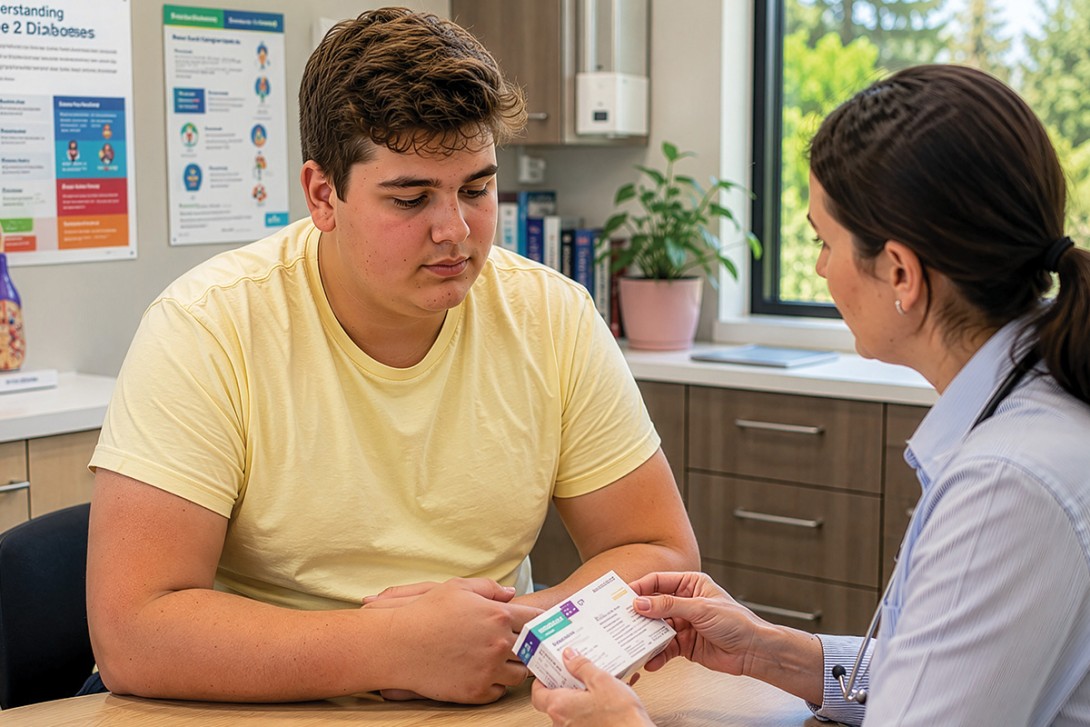
Youth-onset type 2 diabetes follows a more aggressive course than adult-onset disease, with earlier complications and faster decline in beta-cell function. Improved understanding of its pathophysiology and expanding pharmacotherapy options are changing the approach to personalised management.
- Youth-onset type 2 diabetes (YOT2D) follows a more aggressive course than adult-onset type 2 diabetes, with earlier complications and more rapid decline in beta-cell function.
- Lifestyle intervention remains the cornerstone of management, but pharmacotherapy should be intensified promptly to achieve and maintain glycaemic targets.
- Metformin remains first-line therapy for most young people with YOT2D, with insulin used during metabolic decompensation and as rescue therapy when required.
- Sodium-glucose cotransporter-2 inhibitors, glucagon-like peptide-1 receptor agonists and tirzepatide are expanding treatment options and improving glycaemic control in YOT2D.
- Treatment should be individualised according to the patient’s clinical presentation, comorbidities, treatment goals and preferences.
Youth-onset type 2 diabetes (YOT2D) is increasing globally, with the highest burden occurring in First Nations populations. Aboriginal and Torres Strait Islander children have an 18-fold higher risk of developing YOT2D than non-Indigenous children.1 The US SEARCH for Diabetes in Youth Study predicts a sixfold increase in YOT2D by 2050.2
YOT2D follows a more aggressive course than adult-onset type 2 diabetes (T2D), with earlier onset of complications and a more rapid decline in beta-cell function.2 It remains uncertain whether newer pharmacotherapies will alter this trajectory, as earlier cohorts treated with a limited range of agents experienced consistently poor outcomes. Growing evidence has improved our understanding of the complex pathophysiology of T2D and highlighted important differences between YOT2D and adult-onset T2D, including responses to pharmacotherapy. Many drug classes well established in adult-onset T2D management have now been evaluated in young people with YOT2D for pharmacokinetics, pharmacodynamics, glycaemic efficacy and safety, expanding the range of potential treatment options.
This article reviews the unique pathophysiology of YOT2D, current treatment targets and the evolving glycaemic-lowering pharmacotherapy options available to support individualised care.
The complex pathophysiology of T2D
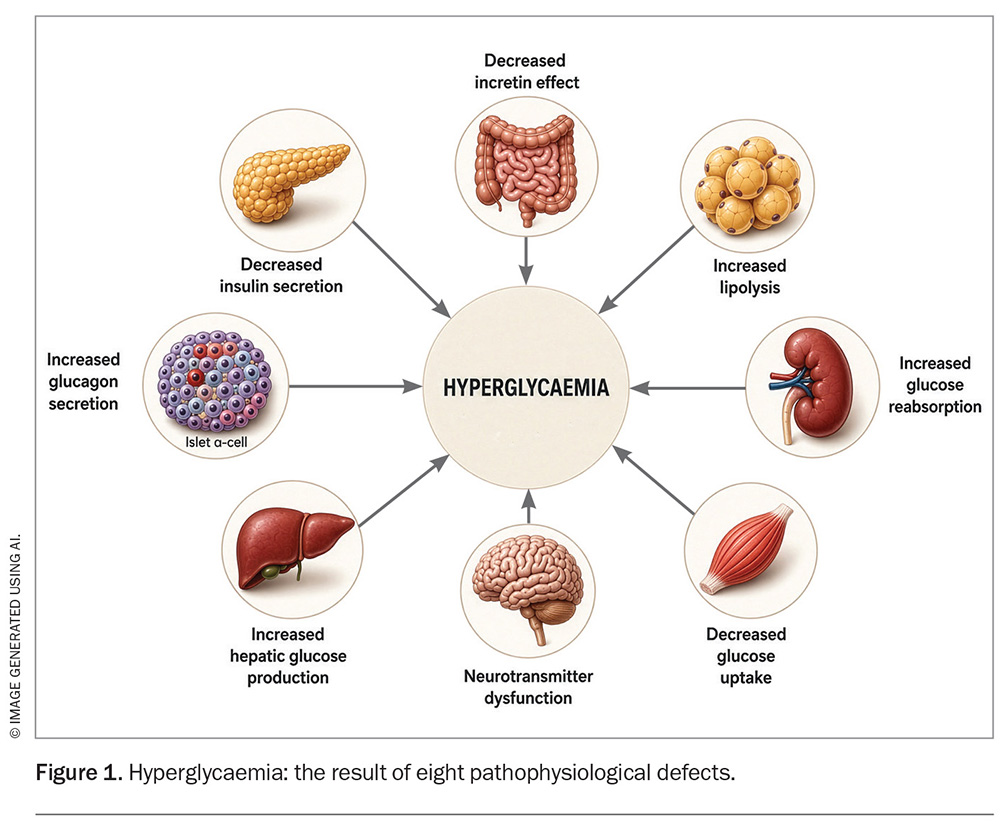
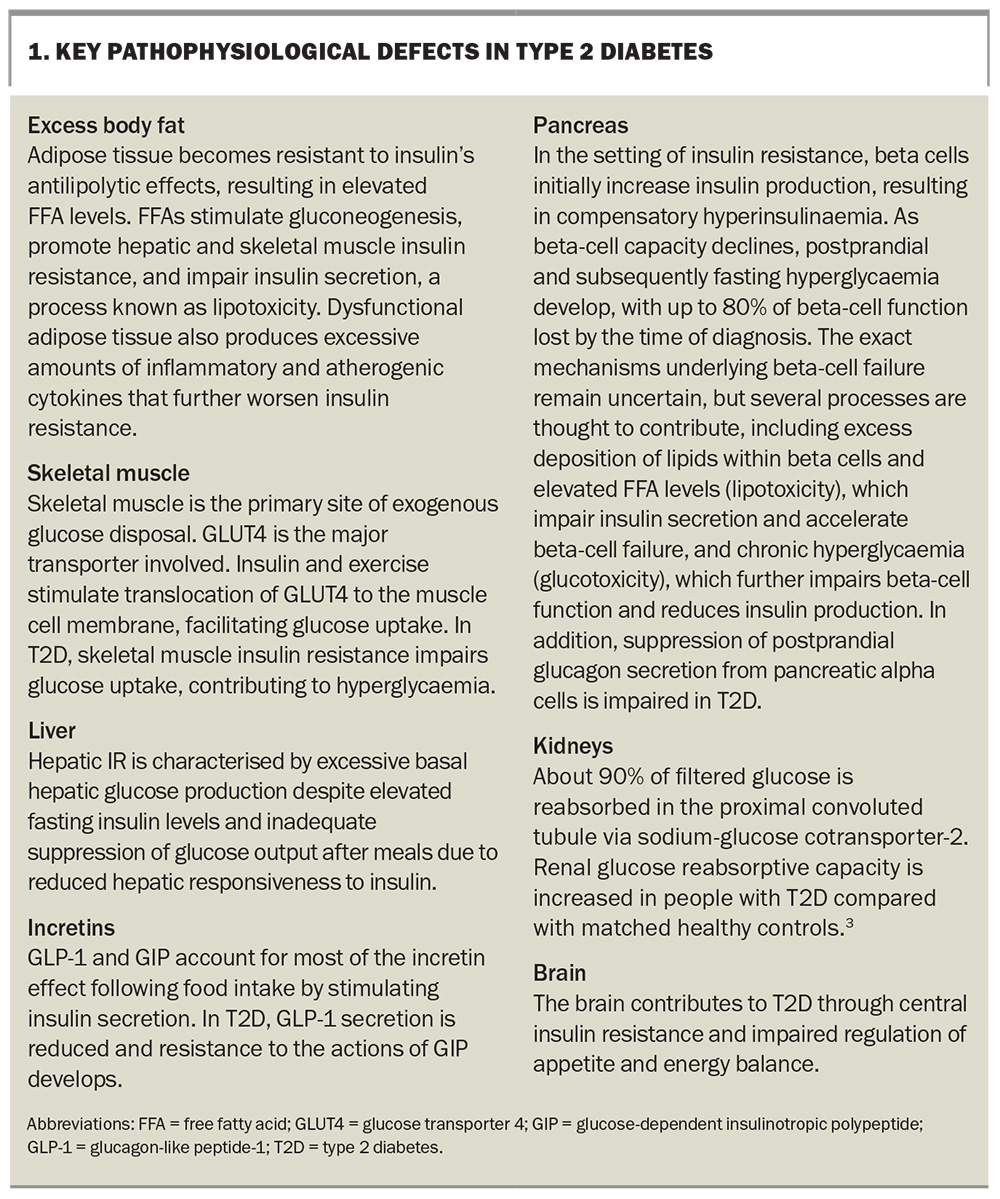
A detailed understanding of the pathophysiology of T2D enables rational selection of combination therapies that target the multiple organs and tissues involved. Reduced insulin sensitivity in the liver, skeletal muscle and adipose tissue initially leads to compensatory hyperinsulinaemia. As pancreatic beta-cell function progressively declines, insulin secretion becomes inadequate, resulting in hyperglycaemia, the hallmark of T2D (Figure 1). Insulin resistance is driven by genetic factors, reflected by the clustering of T2D within families, as well as elevated adiposity, ectopic fat deposition, sedentary behaviour and the physiological insulin resistance associated with puberty. The major organs and tissues involved in T2D pathophysiology are outlined in Box 1.3
How does YOT2D differ from adult-onset T2D?
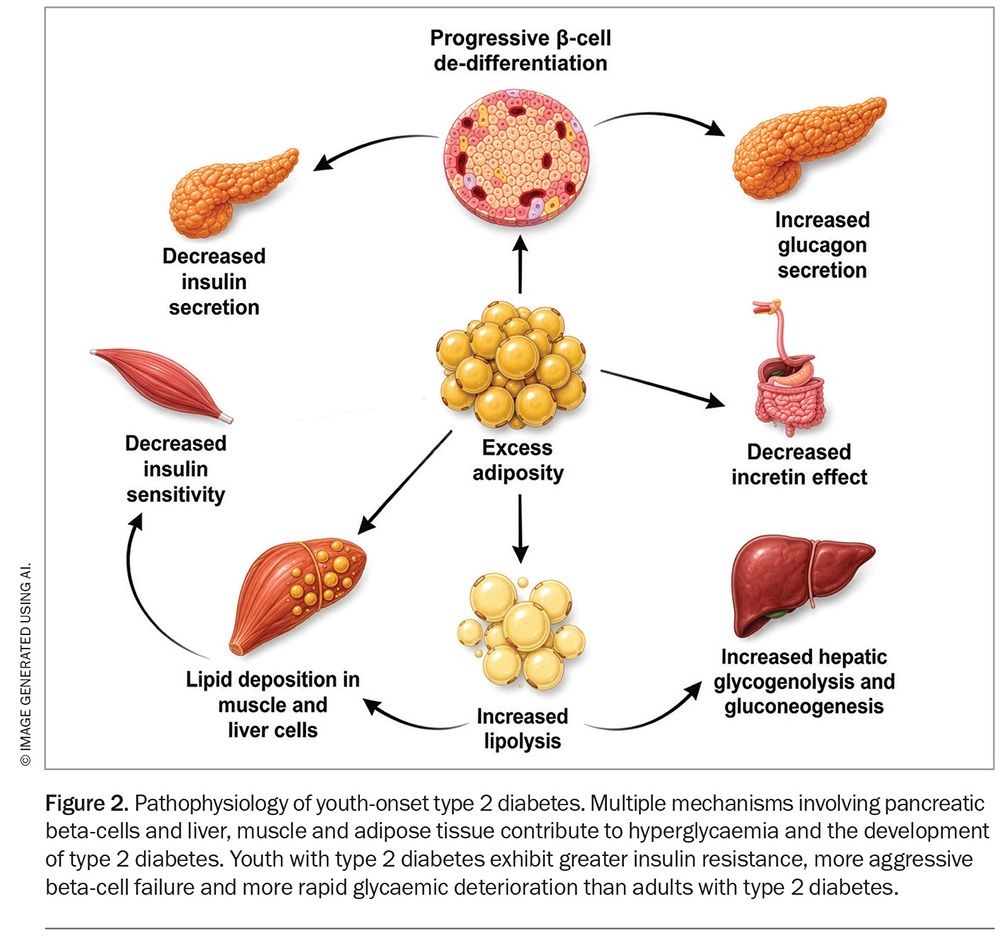
Although YOT2D and adult-onset T2D share many core pathophysiological defects, important differences exist (Figure 2). Young people have greater insulin resistance than adults with the same body mass index (BMI), body fat percentage, ethnicity and sex.4,5 They also have lower insulin clearance and a greater beta-cell insulin secretory response after adjustment for insulin resistance. YOT2D occurs more commonly in females, likely because of the physiological insulin resistance associated with the additional growth hormone secretion seen during puberty, whereas adult-onset T2D is more common in males. Alpha-cell dysfunction also appears to be less pronounced in YOT2D.6
The Restoring Insulin Secretion (RISE) study examined whether early treatment could preserve or restore beta-cell function in people with glucose intolerance or newly diagnosed T2D. Neither metformin nor basal insulin preserved beta-cell function in youth, whereas beta-cell function was maintained in adults.7 Durable glycaemic control is therefore more difficult to achieve in YOT2D, as many therapies are less effective in the setting of severe insulin resistance.8
The phenotypes of YOT2D
YOT2D is a heterogeneous condition with distinct metabolic subtypes that require personalised approaches to management. Clustering analyses of routine clinical measures have identified three main subtypes: obesity-related YOT2D, insulin-deficient YOT2D and insulin-resistant YOT2D. The insulin-deficient and insulin-resistant subtypes together account for about half of all cases and are associated with greater disease severity and higher rates of treatment failure.9,10 Beta-cell decline varies widely (6 to 30% per year) and is influenced by age at diagnosis, ethnicity, genetics, glycated haemoglobin (HbA1c) level, BMI and the presence of islet autoantibodies.11,12
Glycaemic targets
A target HbA1c level of 6.5% or less is recommended for young people with YOT2D. HbA1c level should be measured every three months and therapy intensified as needed to maintain the target (a treat-to-target approach), rather than waiting for glycaemic control to deteriorate before escalating treatment (a treat-to-failure approach). This target reflects the accelerated rate of complications and higher mortality associated with YOT2D compared with adult-onset T2D and childhood type 1 diabetes.
To achieve this target, recommended glucose levels are 4 to 6 mmol/L fasting and 4 to 8 mmol/L two hours postprandially. Self-monitoring of blood glucose should be individualised, and continuous glucose monitoring can be a useful adjunct in YOT2D, improving the proportion of time spent within the target glucose range.13
Choosing pharmacotherapy in YOT2D
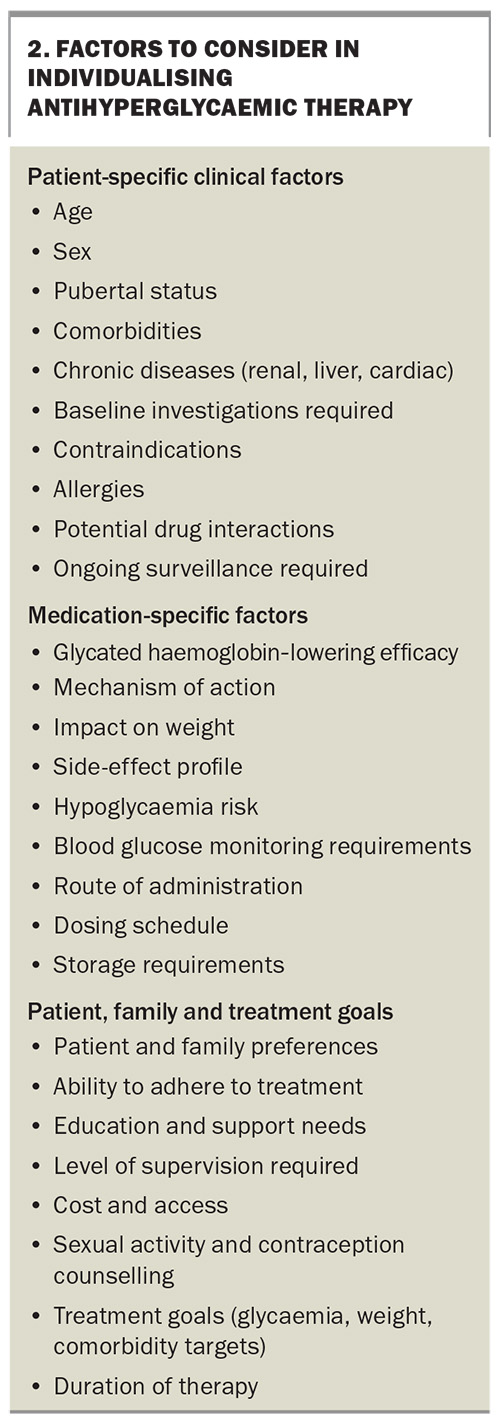
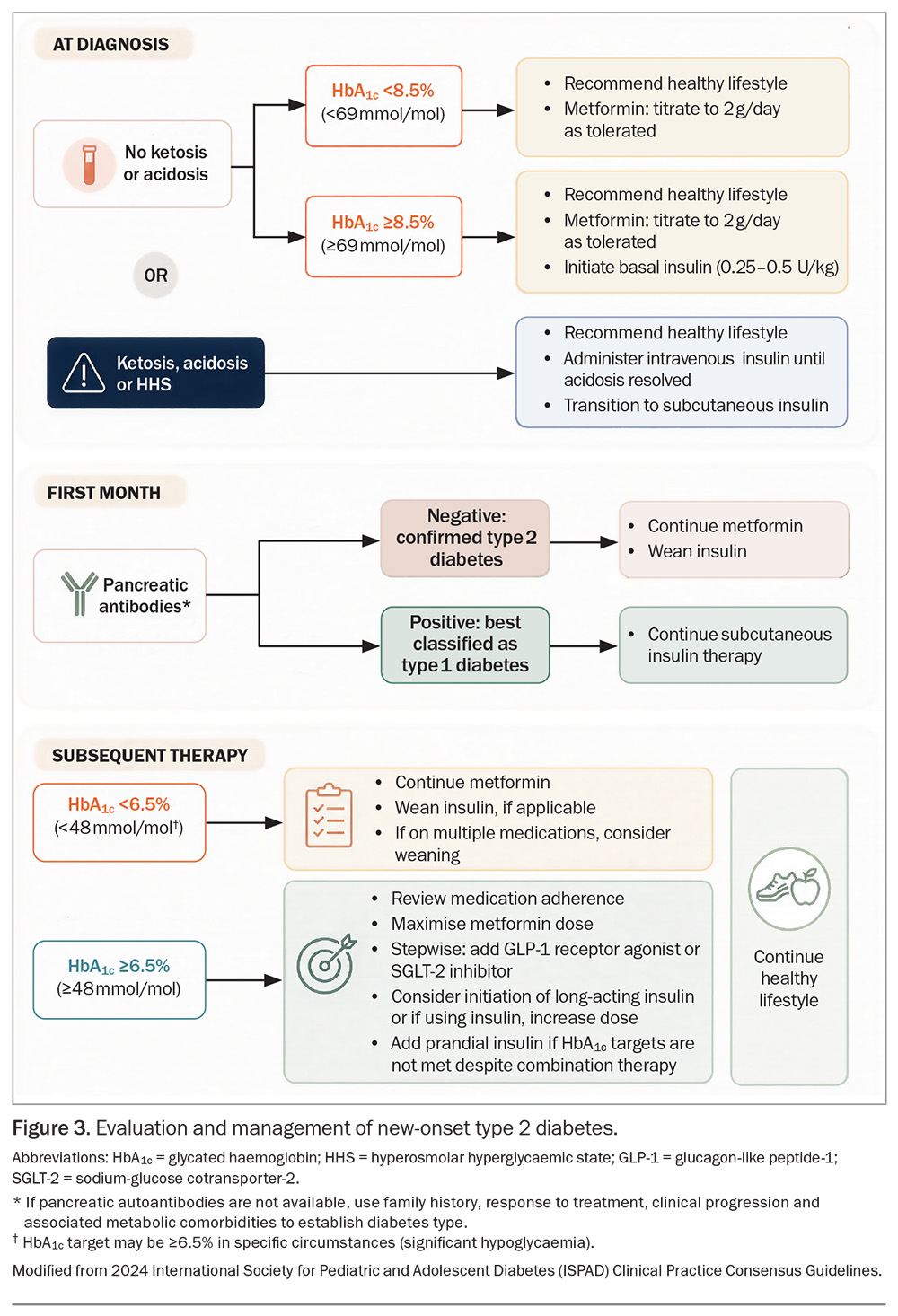
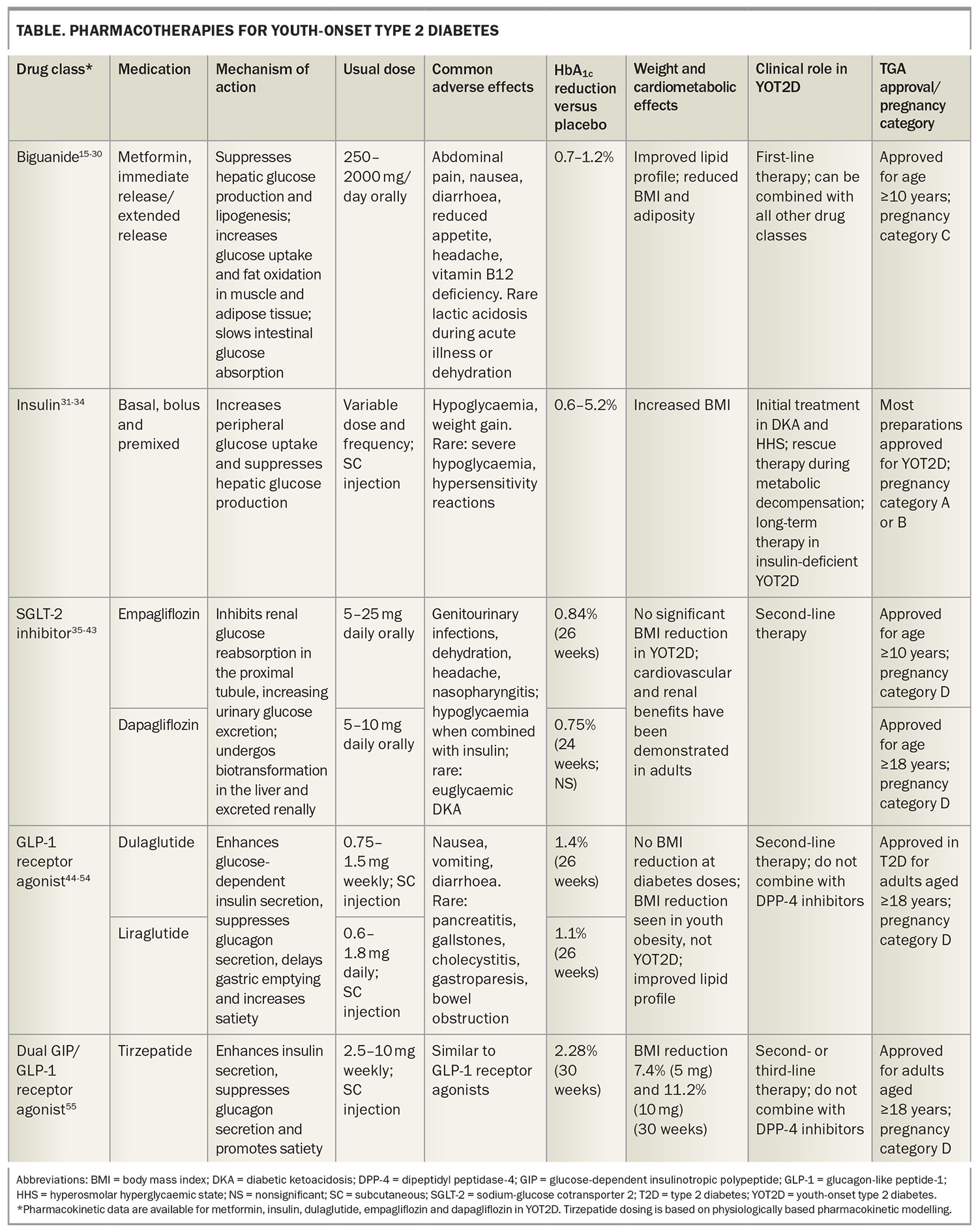
When add-on therapy is required to achieve glycaemic targets, the patient’s engagement and adherence should first be assessed. Additional factors must then be considered, and each medication change should be accompanied by education regarding administration, expected glycaemic effects, adverse effects, safety considerations, follow up and stopping criteria. Several medications have minimum approved ages because of limited research data or TGA approval requirements; however, off-label use may sometimes be appropriate with careful monitoring. Key factors influencing treatment selection are outlined in Box 2. The choice of pharmacotherapy at diagnosis depends on the clinical presentation and should follow current International Society for Pediatric and Adolescent Diabetes recommendations (Figure 3).14 The key characteristics of currently available pharmacotherapies for YOT2D are summarised in the Table.15-55
Pharmacotherapy should complement lifestyle modification and support reversal of the underlying disease mechanisms. Improvements in body composition, achieved through reducing excess body fat while maintaining or increasing skeletal muscle mass, can substantially reduce insulin resistance. Adequate sleep, regular moderate- to vigorous-intensity physical activity, reduced sedentary behaviour and a nutrient-rich diet are all essential components of management. Ongoing support is required to help young people maintain these lifestyle measures, and involvement of a multidisciplinary team experienced in managing YOT2D is recommended.
Biguanides
Metformin is first-line therapy for most young people with YOT2D and is generally well tolerated. It should only be initiated after resolution of ketosis or a hyperosmolar hyperglycaemic state.14 When combined with insulin at diagnosis, metformin may facilitate more rapid insulin withdrawal over the following weeks. About half of adolescents with YOT2D can maintain long-term glycaemic control with metformin monotherapy compared with more than 80% of adults, who achieve glycaemic targets with metformin alone.20,56 Metformin should be avoided in young people with intolerable adverse effects, known allergy to biguanides or significant renal impairment.
The recommended starting dose is metformin extended-release 500 mg with the evening meal or metformin immediate-release 250 mg once daily in younger children to improve tolerability.14 The dose should be titrated over three to four weeks as tolerated to a maximum dose of 2 g daily. Metformin should be discontinued 48 hours before elective surgery, radiological studies involving iodinated contrast media and during significant gastrointestinal illness. Gastrointestinal adverse effects are common when commencing metformin; gradual dose escalation, administration with food and good adherence may help minimise these symptoms.22
Insulin
Insulin is used to manage hyperglycaemia associated with metabolic decompensation at diagnosis and may also be required later in the disease course. It often functions as a short-term ‘rescue’ therapy and should be discontinued as soon as clinical stabilisation permits. Insulin therapy can rapidly improve glycaemic control and is associated with low rates of symptomatic hypoglycaemia in YOT2D. Long-acting basal insulin is commenced first, with prandial insulin added if glycaemic targets are not achieved.
Where possible, insulin doses should be reduced by 30 to 50% each week and ceased once glycaemic targets are maintained, transitioning to metformin monotherapy in newly diagnosed patients or when another glucose-lowering agent is introduced. Discontinuing insulin where appropriate may help minimise weight gain. The Treatment Options for Type 2 Diabetes in Adolescents and Youth (TODAY) study found that more than half of young people receiving metformin monotherapy required insulin within five years. An HbA1c level of 6.3% or greater at three months predicted subsequent loss of glycaemic control across all treatment groups. With additional drug classes now available, other agents are increasingly being used to reduce the need for rescue insulin.20,57
Sodium-glucose cotransporter-2 inhibitors
Sodium-glucose cotransporter-2 inhibitors (SGLT-2) inhibitors, including empagliflozin and dapagliflozin, are effective in YOT2D. Empagliflozin is TGA approved for children aged 10 years and older, whereas dapagliflozin is currently TGA approved only for adults aged 18 years and older. They are administered orally once daily and combination tablets with metformin are available. Additional renal and cardiovascular benefits have been demonstrated in adults; making these agents particularly appropriate for young people with renal impairment.14
A meta-analysis of three randomised controlled trials in YOT2D demonstrated significant reductions in HbA1c levels compared with placebo (short-term mean difference, −0.94%; 95% confidence interval [CI], −1.27 to −0.61; long-term mean difference, −0.93%; 95% CI, −1.36 to −0.49).58 Fewer participants required rescue therapy or discontinued treatment because of a lack of efficacy. Rates of adverse and serious adverse events were similar to those observed with placebo. These findings support SGLT-2 inhibitors as an effective add-on therapy in YOT2D.59
Glucagon-like peptide-1 receptor agonists
Glucagon-like peptide-1 (GLP-1) receptor agonists have strong evidence for weight reduction, and their ability to increase insulin secretion, suppress glucagon secretion and enhance satiety makes them an attractive option for young people with diabetes and obesity. However, in YOT2D, daily liraglutide and weekly dulaglutide lowered HbA1c levels but did not reduce BMI at the doses studied. Currently, GLP-1 receptor agonists are only TGA approved for use in adults aged 18 years and older with T2D.
Higher-dose liraglutide and semaglutide are effective treatments for adolescent obesity; however, conclusions regarding their efficacy in YOT2D remain limited because few participants with diabetes have been included in these studies. In the Semaglutide Treatment Effect in People with Obesity (STEP) TEENS trial, semaglutide 2.4 mg once weekly reduced BMI by 16.1% in adolescents with obesity. Semaglutide 2.4 mg may therefore be considered in young people with YOT2D and obesity that is refractory to lifestyle intervention.59
The adverse-effect profile of GLP-1 receptor agonists in YOT2D is similar to that observed in adults, with gastrointestinal symptoms being the most common adverse effects.59
Dual GIP/GLP-1 receptor agonist
To date, meaningful improvements in both adiposity and glycaemia in YOT2D have been demonstrated only with the dual incretin tirzepatide; however, current TGA approval in T2D is for use in adults aged 18 years and older. Tirzepatide lowers HbA1c levels by 1.5 to 2.5%, depending on dose, and produces weight loss of 10 to 15%, offering substantially greater dual metabolic benefits than existing therapies for YOT2D.55
The long-term durability and safety of SGLT-2 inhibitors, GLP-1 receptor agonists and tirzepatide in YOT2D remain uncertain. However, extensive safety data from adults are reassuring, and these agents represent promising treatment options, either alone or in combination. Longer-term studies of incretin-based therapies are underway and are likely to further expand treatment options.
Medications not recommended in YOT2D
Sulfonylureas are currently not recommended in YOT2D because of the risk of hypoglycaemia, weight gain and potential beta-cell decline. Thiazolidinediones are not used because of the increased risk of fracture, heart failure and macular oedema reported in adults. Dipeptidyl peptidase-4 inhibitors are not efficacious in reducing HbA1c in YOT2D.60
Summary
Understanding the complex pathophysiology of YOT2D and recognising its distinct subtypes can help clinicians develop personalised treatment plans for young people. Targeting weight loss remains central to reducing insulin resistance and may now involve the use of agents such as semaglutide or tirzepatide alongside lifestyle interventions to reduce adiposity. Expanding pharmacotherapy options, including SGLT-2 inhibitors, GLP-1 receptor agonists and the dual
GIP/GLP-1 receptor agonist tirzepatide, provide meaningful improvements in glycaemic control and offer a more optimistic outlook for young people with YOT2D. Although many traditional therapies have shown limited long-term effectiveness in YOT2D, newer incretin-based therapies provide the first substantial dual benefits for both HbA1c and adiposity. Cardiometabolic and renal complications commonly seen in YOT2D should be screened for and managed as part of holistic care in addition to adiposity and glycaemic management.
Building strong relationships with young people and their families, and involving them in shared decision making, can improve adherence, minimise adverse effects and optimise outcomes in this rapidly evolving therapeutic landscape. MT
COMPETING INTERESTS: Dr Curran is a Principal Investigator for several clinical trial sponsored by
Novo Nordisk and Eli Lilly. The sponsors provides funding and study materials to support the conduct of this research. She has no personal financial interest in Novo Nordisk or Eli Lilly beyond the research funding provided for this study. All study procedures are conducted in accordance with applicable ethical guidelines, regulatory requirements, and institutional policies.
References
1. Haynes A, Curran JA, Davis EA. Two decades of increasing incidence of childhood-onset type 2 diabetes in Western Australia (2000-2019). Med J Aust 2021; 214(6): 285.e1-285.e7.
2. Nadeau KJ, Mayer-Davis EJ, Gubitosi-Klug R, et al. Youth-onset type 2 diabetes: what we’ve learned from key youth-onset type 2 diabetes studies, what we still don’t know, and why it is important. Diabetes Care 2025; 48: 1136-1149.
3. DeFronzo RA, Hompesch M, Kasichayanula S, et al. Characterization of renal glucose reabsorption in response to dapagliflozin in healthy subjects and subjects with type 2 diabetes. Diabetes Care 2013; 36: 3169-3176.
4. Consortium R, Investigators RC. Effects of treatment of impaired glucose tolerance or recently diagnosed type 2 diabetes with metformin alone or in combination with insulin glargine on beta-cell function: comparison of responses in youth and adults. Diabetes 2019; 68(8): 1670-1680.
5. Arslanian S, Kim JY, Nasr A, et al. Insulin sensitivity across the lifespan from obese adolescents to obese adults with impaired glucose tolerance: Who is worse off? Pediatr Diabetes 2018; 19: 205-211.
6. Kahn SE, Mather KJ, Arslanian SA, et al. Hyperglucagonemia does not explain the beta-cell hyperresponsiveness and insulin resistance in dysglycemic youth compared with adults: lessons from the RISE Study. Diabetes Care 2021; 44: 1961-1969.
7. Utzschneider KM, Tripputi MT, Kozedub A, et al. Differential loss of beta-cell function in youth vs. adults following treatment withdrawal in the Restoring Insulin Secretion (RISE) study. Diabetes Res Clin Pract 2021; 178: 108948.
8. Shah AS, Nadeau KJ, Dabelea D, Redondo MJ. Spectrum of phenotypes and causes of type 2 diabetes in children. Annu Rev Med 2022; 73: 501-515.
9. Guo J, Li Z, Carrillo-Larco RM, Hsia DS, et al. Data-driven subtypes of newly diagnosed youth-onset type 2 diabetes in the USA. J Diabetes Complications 2026; 40: 109207.
10. Kreienkamp RJ, Smith K, Wangden TY, et al. Novel phenotypic clusters of youth-onset type 2 diabetes offer no added prognostic value to simple clinical measures. Diabetes Care 2026; 49: 137-146.
11. Sam S, Edelstein SL, Arslanian SA, et al. Baseline predictors of glycemic worsening in youth and adults with impaired glucose tolerance or Recently Diagnosed Type 2 Diabetes in the Restoring Insulin Secretion (RISE) Study. Diabetes Care. 2021; 44: 1938-1947.
12. Klingensmith GJ, Pyle L, Arslanian S, et al. The presence of GAD and IA-2 antibodies in youth with a type 2 diabetes phenotype: results from the TODAY study. Diabetes Care 2010; 33(9): 1970-1975.
13. Chang N, Barber ROB, Llovido Alula J, Durazo-Arvizu R, Chao LC. Continuous glucose monitoring versus standard of care in adolescents with type 2 diabetes: a pilot randomized cross-over trial. J Diabetes Sci Technol 2023; 17: 1419-1420.
14. Shah AS, Barrientos-Pérez M, Chang N, et al. ISPAD Clinical Practice Consensus Guidelines 2024: type 2 diabetes in children and adolescents. Horm Res Paediatr 2024; 97: 555-583.
15. Laffel L, Chang N, Grey M, et al. Metformin monotherapy in youth with recent onset type 2 diabetes: experience from the prerandomization run-in phase of the TODAY study. Pediatr Diabetes 2012; 13: 369-375.
16. Bacha F, Cheng P, Gal RL, et al. initial presentation of type 2 diabetes in adolescents predicts durability of successful treatment with metformin monotherapy: insights from the pediatric diabetes consortium T2D Registry. Horm Res Paediatr 2018; 89: 47-55.
17. Consortium R. Impact of insulin and metformin versus metformin alone on beta-cell function in youth with impaired glucose tolerance or recently diagnosed type 2 diabetes. Diabetes Care. 2018; 41: 1717-1725.
18. Jones KL, Arslanian S, Peterokova VA, Park JS, Tomlinson MJ. Effect of metformin in pediatric patients with type 2 diabetes: a randomized controlled trial. Diabetes Care 2002; 25(1): 89-94.
19. Gottschalk M, Danne T, Vlajnic A, Cara JF. Glimepiride versus metformin as monotherapy in pediatric patients with type 2 diabetes: a randomized, single-blind comparative study. Diabetes Care 2007; 30: 790-794.
20. Group TS, Zeitler P, Hirst K, et al. A clinical trial to maintain glycemic control in youth with type 2 diabetes. N Engl J Med 2012; 366: 2247-2256.
21. Arslanian S, Pyle L, Washington G, et al. Effects of metformin, metformin plus rosiglitazone, and metformin plus lifestyle on insulin sensitivity and B-cell function in TODAY. Diabetes Care 2013; 36: 1749-1757.
22. Marcus MD, Wilfley DE, El Ghormli L, et al. Weight change in the management of youth-onset type 2 diabetes: the TODAY clinical trial experience. Pediatr Obes 2017; 12: 337-345.
23. Group TS. Treatment effects on measures of body composition in the TODAY clinical trial. Diabetes Care 2013; 36: 1742-1748.
24. Gandica R, Zeitler P. Update on youth-onset type 2 diabetes: lessons learned from the treatment options for type 2 diabetes in adolescents and youth clinical trial. Adv Pediatr 2016; 63: 195-209.
25. Group TS. Safety and tolerability of the treatment of youth-onset type 2 diabetes: the TODAY experience. Diabetes Care 2013; 36: 1765-1771.
26. Narasimhan S, Weinstock RS. Youth-onset type 2 diabetes mellitus: lessons learned from the TODAY study. Mayo Clin Proc 2014; 89: 806-816.
27. Meyers AG, Hudson J, Cravalho CKL, et al. Metformin treatment and gastrointestinal symptoms in youth: findings from a large tertiary care referral center. Pediatr Diabetes 2021; 22: 182-191.
28. Gao X, Burghen GA, Velasquez-Mieyer P, et al. Pharmacokinetics of metformin in pediatric type 2 diabetic and healthy adult subjects. Clin Pharmacol Ther 2003; 73: 46.
29. Sanchez-Infantes D, Diaz M, Lopez-Bermejo A, Marcos MV, de Zegher F, Ibanez L. Pharmacokinetics of metformin in girls aged 9 years. Clin Pharmacokinet 2011; 50: 735-738.
30. Hurley-Kim K, Vu CH, Dao NM, et al. Effect of metformin use on vitamin B12 deficiency over time (EMBER): a real-world evidence database study. Endocr Pract 2023; 29: 862-867.
31. Wheeler MD, Barrientos-Perez M, Lo FS, et al. A 26-week, randomized trial of insulin detemir versus NPH insulin in children and adolescents with type 2 diabetes (iDEAt2). Eur J Pediatr 2018; 177: 1497-1503.
32. Sellers EA, Dean HJ. Short-term insulin therapy in adolescents with type 2 diabetes mellitus. J Pediatr Endocrinol Metab 2004; 17: 1561-1564.
33. Shaefer CF, Reid TS, Dailey G, et al. Weight change in patients with type 2 diabetes starting basal insulin therapy: correlates and impact on outcomes. Postgrad Med 2014; 126: 93-105.
34. Shahid M, Shaibi GQ, Baines H, Garcia-Filion P, Gonzalez-Garcia Z, Olson M. Risk of hypoglycemia in youth with type 2 diabetes on insulin. J Pediatr Endocrinol Metab 2018; 31: 625-630.
35. Laffel LMB, Tamborlane WV, Yver A, et al. Pharmacokinetic and pharmacodynamic profile of the sodium-glucose co-transporter-2 inhibitor empagliflozin in young people with Type 2 diabetes: a randomized trial. Diabet Med 2018; 35: 1096-1104.
36. Laffel LM, Danne T, Klingensmith GJ, et al. Efficacy and safety of the SGLT2 inhibitor empagliflozin versus placebo and the DPP-4 inhibitor linagliptin versus placebo in young people with type 2 diabetes (DINAMO): a multicentre, randomised, double-blind, parallel group, phase 3 trial. Lancet Diabetes Endocrinol 2023; 11: 169-181.
37. Tirucherai GS, LaCreta F, Ismat FA, Tang W, Boulton DW. Pharmacokinetics and pharmacodynamics of dapagliflozin in children and adolescents with type 2 diabetes mellitus. Diabetes Obes Metab 2016; 18: 678-684.
38. Parkinson J, Tang W, Johansson CC, Boulton DW, Hamren B. Comparison of the exposure-response relationship of dapagliflozin in adult and paediatric patients with type 2 diabetes mellitus. Diabetes Obes Metab 2016; 18: 685-692.
39. Shehadeh N, Barrett T, Galassetti P, et al. Dapagliflozin or saxagliptin in pediatric type 2 diabetes. NEJM Evid 2023;2(12):EVIDoa2300210.
40. Tamborlane WV, Laffel LM, Shehadeh N, et al. Efficacy and safety of dapagliflozin in children and young adults with type 2 diabetes: a prospective, multicentre, randomised, parallel group, phase 3 study. Lancet Diabetes Endocrinol 2022; 10: 341-350.
41. Rascher J, Cheng S, Johnston C, et al. Pharmacokinetics and pharmacodynamics of empagliflozin in paediatric patients aged 10-17 years with type 2 diabetes mellitus. Br J Clin Pharmacol 2025; 91: 2390-2400.
42. Shamchuk A, Doulla M, Jetha M. Possible association between diabetic ketoacidosis and use of sodium-glucose co-transporter 2 inhibitor in a 17-year-old youth with type 2 diabetes. CMAJ 2021; 193: E1385-E8.
43. Zelniker TA, Wiviott SD, Raz I, et al. SGLT2 inhibitors for primary and secondary prevention of cardiovascular and renal outcomes in type 2 diabetes: a systematic review and meta-analysis of cardiovascular outcome trials. Lancet 2019; 393: 31-39.
44. Wood JR, Silverstein J. Incretins and amylin in pediatric diabetes: new tools for management of diabetes in youth. Curr Opin Pediatr 2013; 25: 502-508.
45. Kelly AS, Metzig AM, Rudser KD, et al. Exenatide as a weight-loss therapy in extreme pediatric obesity: a randomized, controlled pilot study. Obesity (Silver Spring) 2012; 20: 364-370.
46. Tamborlane WV, Bishai R, Geller D, et al. Once-weekly exenatide in youth with type 2 diabetes. Diabetes Care 2022; 45: 1833-1840.
47. Petri KC, Jacobsen LV, Klein DJ. Comparable liraglutide pharmacokinetics in pediatric and adult populations with type 2 diabetes: a population pharmacokinetic analysis. Clin Pharmacokinet 2015; 54: 663-670.
48. Tamborlane WV, Barrientos-Perez M, Fainberg U, et al. Liraglutide in children and adolescents with type 2 diabetes. N Engl J Med 2019; 381: 637-646.
49. Arslanian SA, Hannon T, Zeitler P, et al. Once-weekly dulaglutide for the treatment of youths with type 2 diabetes. N Engl J Med 2022; 387: 433-443.
50. Malloy J, Capparelli E, Gottschalk M, Guan X, Kothare P, Fineman M. Pharmacology and tolerability of a single dose of exenatide in adolescent patients with type 2 diabetes mellitus being treated with metformin: a randomized, placebo-controlled, single-blind, dose-escalation, crossover study. Clin Ther 2009; 31: 806-815.
51. Klein DJ, Battelino T, Chatterjee DJ, et al. Liraglutide’s safety, tolerability, pharmacokinetics, and pharmacodynamics in pediatric type 2 diabetes: a randomized, double-blind, placebo-controlled trial. Diabetes Technol Ther 2014; 16: 679-687.
52. Bensignor MO, Bomberg EM, Bramante CT, et al. Effect of liraglutide treatment on body mass index and weight parameters in children and adolescents with type 2 diabetes: post hoc analysis of the ellipse trial. Pediatr Obes 2021; 16(8): e12778.
53. Chadda KR, Cheng TS, Ong KK. GLP-1 agonists for obesity and type 2 diabetes in children: systematic review and meta-analysis. Obes Rev 2021; 22(6): e13177.
54. Kelly AS, Auerbach P, Barrientos-Perez M, et al. A Randomized, controlled trial of liraglutide for adolescents with obesity. N Engl J Med 2020; 382: 2117-2128.
55. Hannon TS, Chao LC, Barrientos-Perez M, et al. Efficacy and safety of tirzepatide in children and adolescents with type 2 diabetes (SURPASS-PEDS): a randomised, double-blind, placebo-controlled, phase 3 trial. Lancet 2025; 406: 1484-1496.
56. UKPDS Group. Effect of intensive blood-glucose control with metformin on complications in overweight patients with type 2 diabetes (UKPDS 34). Lancet 1998; 352: 854-865.
57. Lascar N, Brown J, Pattison H, Barnett AH, Bailey CJ, Bellary S. Type 2 diabetes in adolescents and young adults. Lancet Diabetes Endocrinol 2018; 6: 69-80.
58. Dos Santos Borges R, Conegundes AF, et al. Efficacy and Safety of SGLT2 inhibitors in pediatric patients and young adults: a systematic review and meta-analysis of randomized controlled trials. Pediatr Diabetes 2024; 2024: 6295345.
59. Weghuber D, Barrett T, Barrientos-Perez M, et al. Once-weekly semaglutide in adolescents with obesity. N Engl J Med 2022; 387: 2245-2257.
60. Bensignor MO, Hsia DS, Van Name MA, Jastreboff AM, Ryder JR. Extinguishing the fire: treating pediatric type 2 diabetes by targeting obesity treatment. Diabetes Care 2025; 48: 1981-1993.