
Hypertriglyceridaemia: causes, assessment and management of cardiovascular risk
Hypertriglyceridaemia is a marker of metabolic dysfunction and contributes to residual cardiovascular risk through triglyceride-rich lipoproteins and their remnants. Management focuses on identifying underlying causes, reducing exposure to atherogenic apolipoprotein B-containing lipoproteins and preventing pancreatitis in patients with extreme hypertriglyceridaemia.
- Hypertriglyceridaemia commonly reflects underlying metabolic dysfunction and is often a marker of increased atherogenic lipoprotein burden rather than an isolated lipid abnormality.
- For atherosclerotic cardiovascular disease prevention, management should focus on reducing overall atherogenic lipoproteins (LDL-cholesterol, non-HDL-cholesterol and/or apolipoprotein B), rather than triglycerides alone.
- Most cases are secondary and potentially reversible, commonly driven by insulin resistance, obesity, diabetes, alcohol excess and medications.
- Extreme hypertriglyceridaemia requires urgent assessment and treatment to reduce pancreatitis risk.
- Lifestyle intervention is the foundation of treatment, with pharmacological therapies tailored to cardiovascular risk and triglyceride severity.
Despite substantial declines in cardiovascular disease (CVD) incidence over the past three decades, atherosclerotic cardiovascular disease (ASCVD) remains a leading cause of mortality and morbidity worldwide.1 ASCVD is a chronic, progressive disease driven by cumulative exposure to atherogenic lipoproteins, endothelial dysfunction and vascular inflammation, resulting in plaque formation across the coronary, cerebral and peripheral arterial beds.2 Standard modifiable risk factors, including elevated LDL-cholesterol (LDL-C), hypertension, obesity, smoking and diabetes, account for only about half of all cardiovascular events, and many patients continue to experience events despite contemporary risk factor management.³ Increasing attention has therefore focused on residual cardiovascular risk pathways, including triglyceride-rich lipoproteins (TRLs) and their remnants, which accumulate in individuals with hypertriglyceridaemia.
Hypertriglyceridaemia
Hypertriglyceridaemia is a marker of underlying metabolic dysfunction and occurs in one in four people in Australia.4 Triglycerides circulate within TRLs, which function as the body’s energy transport system (Figure 1). Dietary triglycerides are packaged into chylomicrons in the small intestine after meals, whereas the liver continuously secretes very-low-density lipoproteins (VLDLs) to transport endogenously synthesised triglycerides. As these particles circulate, lipoprotein lipase (LPL) – synthesised by adipocytes and myocytes, and transported to the endothelial surface – hydrolyses their triglyceride cargo, releasing fatty acids to muscle and adipose tissue for oxidation or storage.
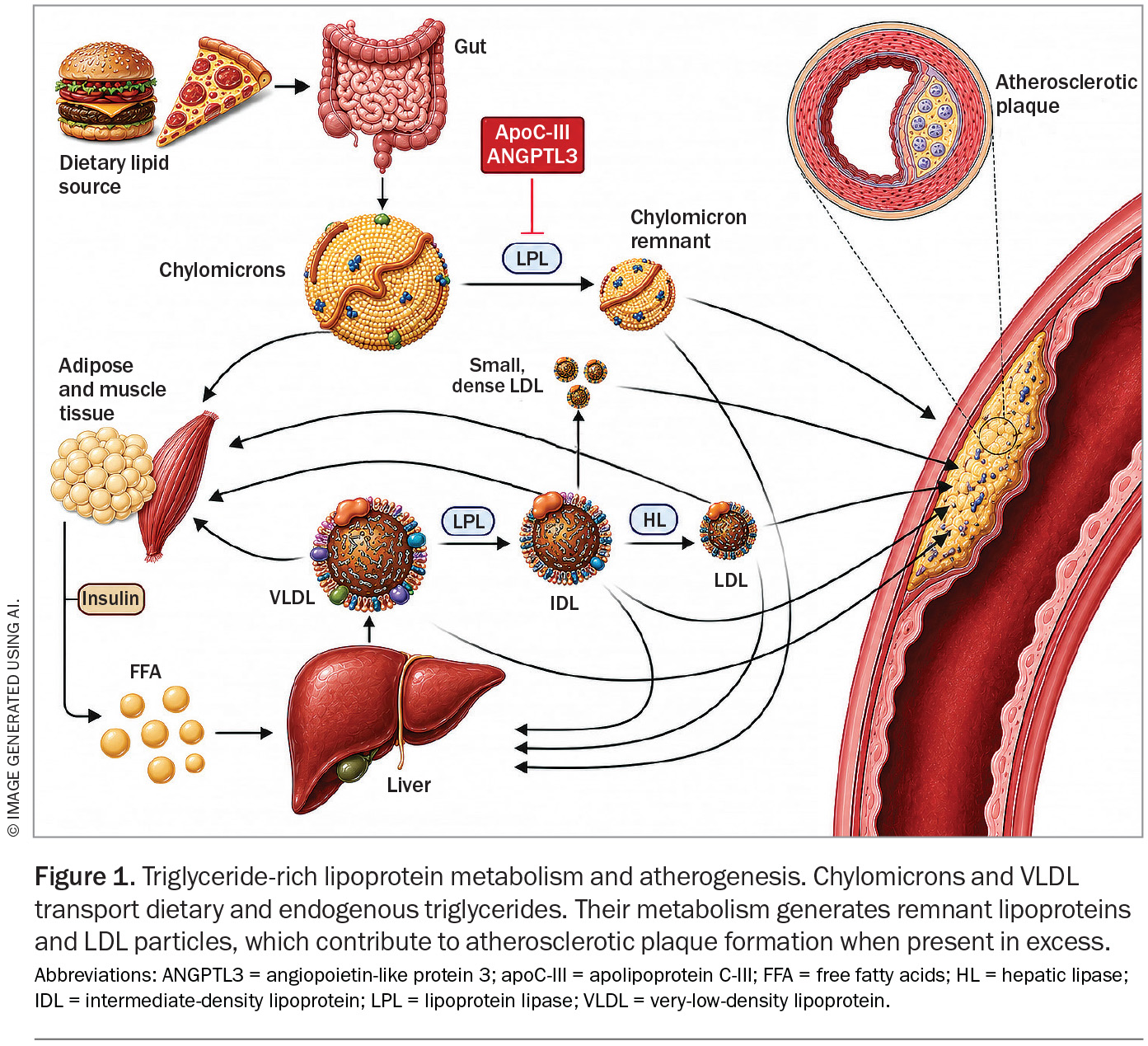
As these particles are progressively metabolised, smaller, cholesterol-enriched remnant particles are generated, which may contain up to four times the cholesterol content of an LDL particle.5 Unlike large chylomicrons, these remnants are small enough to penetrate the arterial endothelium, promoting cholesterol deposition and macrophage foam cell formation, subsequently driving vascular inflammation more potently than LDL particles.6 Elevated triglyceride levels also modify LDL size and composition, mediated by cholesteryl ester transfer protein, producing small, dense LDL with increased atherogenicity.7
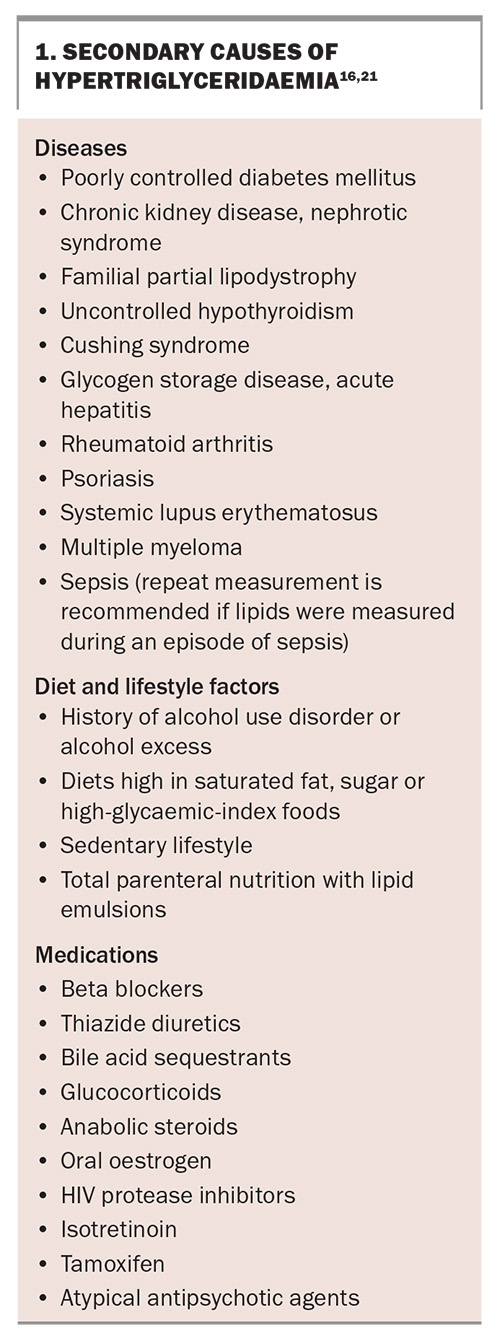
At a mechanistic level, hypertriglyceridaemia reflects an imbalance between hepatic VLDL production and TRL clearance. In insulin-resistant states, VLDL secretion is upregulated by increased delivery of fatty acids from adipocytes to the liver. Higher apolipoprotein C-III (apoC-III) levels associated with insulin resistance inhibit LPL activity and delay remnant clearance. As such, although the aetiology of mild to moderate hypertriglyceridaemia is multifactorial, it is most often driven by secondary and metabolic factors associated with insulin resistance. These include central adiposity, type 2 diabetes with inadequate glycaemic control, excessive alcohol intake, consumption of a carbohydrate-rich diet and hypothyroidism (Box 1).
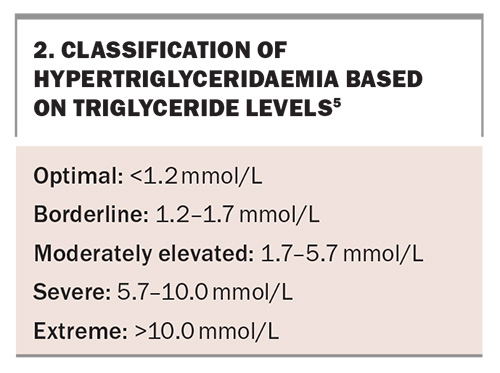
Clinically, hypertriglyceridaemia forms a component of metabolic syndrome and is a feature of atherogenic dyslipidaemia (low HDL-cholesterol [HDL-C] and high triglyceride levels). The 2021 European Atherosclerosis Society consensus statement defines clinically relevant hypertriglyceridaemia as a fasting triglyceride level higher than 1.7 mmol/L (Box 2).5 Large population studies have shown a graded association between higher nonfasting triglyceride levels and cardiovascular events, independent of LDL-C levels. In the Copenhagen City Heart Study, each 1 mmol/L increase was associated with a 20% higher risk of myocardial infarction in women.8 Even among statin-treated patients, triglyceride levels of 1.7 mmol/L or higher were associated with a 14% higher risk of major adverse cardiovascular events, including myocardial infarction, stroke and peripheral artery disease.9 At triglyceride levels above 5 mmol/L to 10 mmol/L, the primary clinical concern shifts to acute pancreatitis. Proposed mechanisms include impaired pancreatic microcirculatory flow because of plasma hyperviscosity, as well as the metabolism of excess triglycerides by pancreatic lipase leading to toxic free fatty acid generation, acinar cell necrosis and pancreatic inflammation.10,11
Importantly, although hypertriglyceridaemia is associated with increased cardiovascular risk, it is the cholesterol content carried within TRLs and their remnants that drive atherogenesis. Triglycerides, therefore, should not be interpreted in isolation when assessing ASCVD risk. The key determinant of atherogenesis is the number of circulating apolipoprotein B (apoB)-containing particles.12 Each atherogenic lipoprotein particle derived from the TRL pathway carries one molecule of apoB. ApoB, therefore, provides the most biologically precise estimate of total atherogenic particle number, whereas non-HDL-C (i.e. total cholesterol, excluding HDL-C) offers a practical and widely available surrogate that captures the cholesterol mass carried by all atherogenic apoB-containing particles.
Testing
Investigations for hypertriglyceridaemia should address two questions: why are triglyceride levels elevated, and what is the patient’s overall atherogenic lipoprotein burden? An initial evaluation of secondary causes should include a comprehensive nutritional history (e.g. overall caloric intake and consumption of alcohol, sugar-sweetened beverages, refined carbohydrates and saturated fat), endocrine history (e.g. hyperglycaemic and hypothyroid symptoms), medication history (e.g. anabolic steroids, isotretinoin and oral oestrogen) and family history. Assessment should include body mass index, waist circumference, blood pressure and evidence of severe chylomicronaemia (e.g. eruptive xanthomas, lipaemia retinalis, hepatosplenomegaly). Laboratory testing should include glycated haemoglobin assessment, thyroid function tests, renal and liver function tests and urinalysis for proteinuria.
Genetic susceptibility is usually polygenic in nature and increases the likelihood and severity of hypertriglyceridaemia.13 Extreme hypertriglyceridaemia (triglyceride level >10 mmol/L), particularly when accompanied by clinical features in adolescence, warrants further investigation for a monogenic cause (e.g. familial chylomicronaemia syndrome) along with a specialist referral.
A full lipid profile, including non-HDL-C, should be ordered for ASCVD risk assessment. For most patients, lipid testing can be performed in the nonfasting state. Nonfasting triglyceride levels have been shown to be equivalent, if not superior, to fasting triglyceride levels for ASCVD risk assessment.5 Following habitual meals, triglyceride levels increase by about 0.3 mmol/L on average during the subsequent one to six hours, which is reflected in the cut-offs used for testing (>1.7 mmol/L fasting, >2.0 mmol/L nonfasting).14 Testing in the nonfasting state improves patient adherence and better reflects usual metabolic conditions. A fasting sample should be considered when nonfasting triglyceride levels exceed 4.5 mmol/L to confirm the abnormality and subsequently to monitor treatment response.14 Plasma LDL-C levels, as calculated using the Friedewald equation, may be underestimated when triglyceride levels are higher than 2.0 mmol/L and are unreliable or invalid when they exceed 4.5 mmol/L. Therefore, requesting either direct LDL-C measurement or using non-HDL-C levels to estimate atherogenic burden is recommended.
Treatment
Treatment of hypertriglyceridaemia focuses on two key goals:
- reducing ASCVD risk in all individuals across the spectrum of elevated triglyceride levels
- mitigating the risk of pancreatitis among a subset of those with extreme elevations in triglyceride levels.
Secondary causes must be addressed, including optimisation of type 2 diabetes care; obesity management through lifestyle intervention and, where indicated, incretin-based pharmacotherapy; and treatment of alcohol use disorder with psychological, behavioural and pharmacological (e.g. naltrexone) interventions, where appropriate.
With respect to ASCVD prevention, the treatment objective is a reduction in exposure to atherogenic apoB-containing particles, including TRL remnants, with lipid targets individualised according to overall ASCVD risk. Importantly, ASCVD risk exists on a continuum and is influenced not only by prior cardiovascular events but also by risk enhancers, such as diabetes duration and target-organ damage, chronic kidney disease and asymptomatic atherosclerosis on imaging.15
Australian dyslipidaemia guidelines are currently being updated and are anticipated in 2027; meanwhile, clinicians are encouraged to use the AusCVD risk calculator to categorise patients into low-, intermediate- or high-risk groups (available at: https://www.cvdcheck.org.au/calculator). However, in the absence of clearly defined Australian population-specific lipid targets across all risk categories, clinicians may refer to contemporary international guidance, including recommendations from the American College of Cardiology and the European Society of Cardiology/European Atherosclerosis Society.15,16 Where LDL-C levels cannot be reliably calculated (i.e. triglyceride levels >4.5 mmol/L), apoB remains the preferred secondary target; however, given the associated out-of-pocket cost, non-HDL-C represents a practical and widely accessible alternative. In high-risk patients, the recommended non-HDL-C target is lower than 2.6 mmol/L (apoB <0.80 g/L); in very high-risk patients, the target is lower than 2.2 mmol/L (apoB <0.65 g/L); and in patients at extreme risk, the target is lower than 1.8 mmol/L (with apoB targets potentially <0.55 g/L) (Table 1).15-17
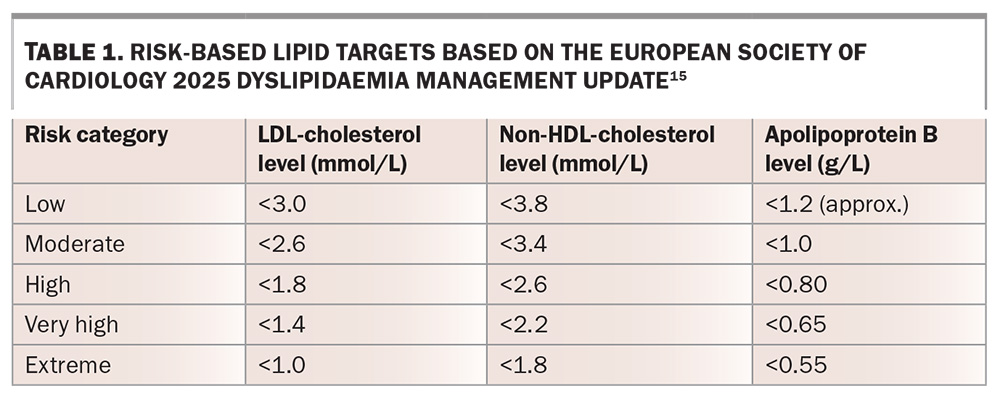
No specific triglyceride treatment targets are currently recommended to reduce ASCVD risk, as no randomised controlled trial evidence demonstrates that triglyceride lowering alone reduces major adverse cardiovascular events. Management should therefore focus on reducing the overall atherogenic particle burden through lifestyle optimisation and pharmacological therapy directed primarily towards LDL-C lowering. However, at higher triglyceride levels, the clinical focus shifts to pancreatitis prevention. The risk of pancreatitis increases substantially at triglyceride levels higher than 5.6 mmol/L (American College of Cardiology) to 10 mmol/L (European Society of Cardiology/European Atherosclerosis Society); accordingly, treatment should aim to reduce levels below these thresholds.17,18
Nonpharmacological therapy
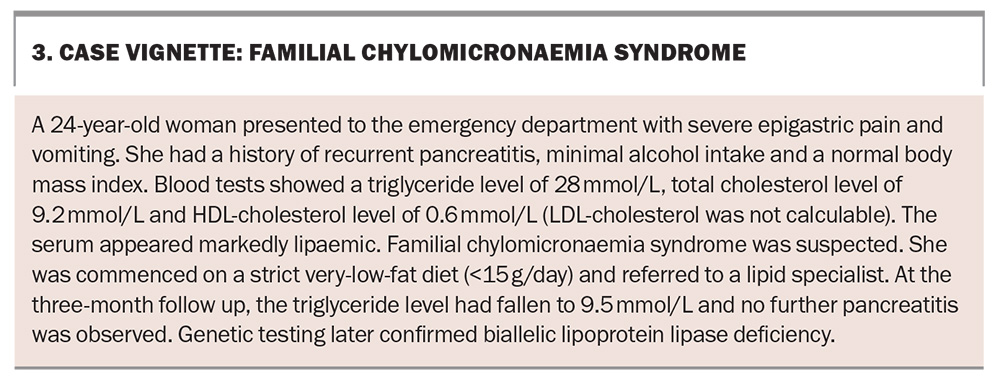
Lifestyle modification is first-line therapy and should combine nutrition and physical activity counselling, with weight loss prioritised among those with central adiposity (Table 2). Guidelines recommend targeting at least 5% weight loss, achieved through caloric restriction, dietary modification and structured exercise.19 In most patients, a 5 to 10% reduction in body weight lowers triglyceride levels by about 20%. Triglyceride levels decrease by an average of 1.9% for each kilogram of weight lost, although reductions of up to 50% have been observed in those achieving more substantial weight loss.20,21 Dietary counselling should focus on reducing the intake of excess refined carbohydrates and sugar-sweetened beverages in favour of lower glycaemic index foods, as well as replacing saturated fats with unsaturated fats. The Mediterranean diet, rich in unsaturated fats, has the strongest cardiovascular outcome data.22 The Dietary Approaches to Stop Hypertension (DASH) diet may also be considered.23 Referral to a specialist dietitian may improve sustainability and individualisation of these dietary changes and is particularly beneficial among those with extreme elevations where dietary restriction is challenging, or those with concurrent cardiovascular–kidney–metabolic syndrome.24 A case vignette of familial chylomicronaemia syndrome is presented in Box 3.
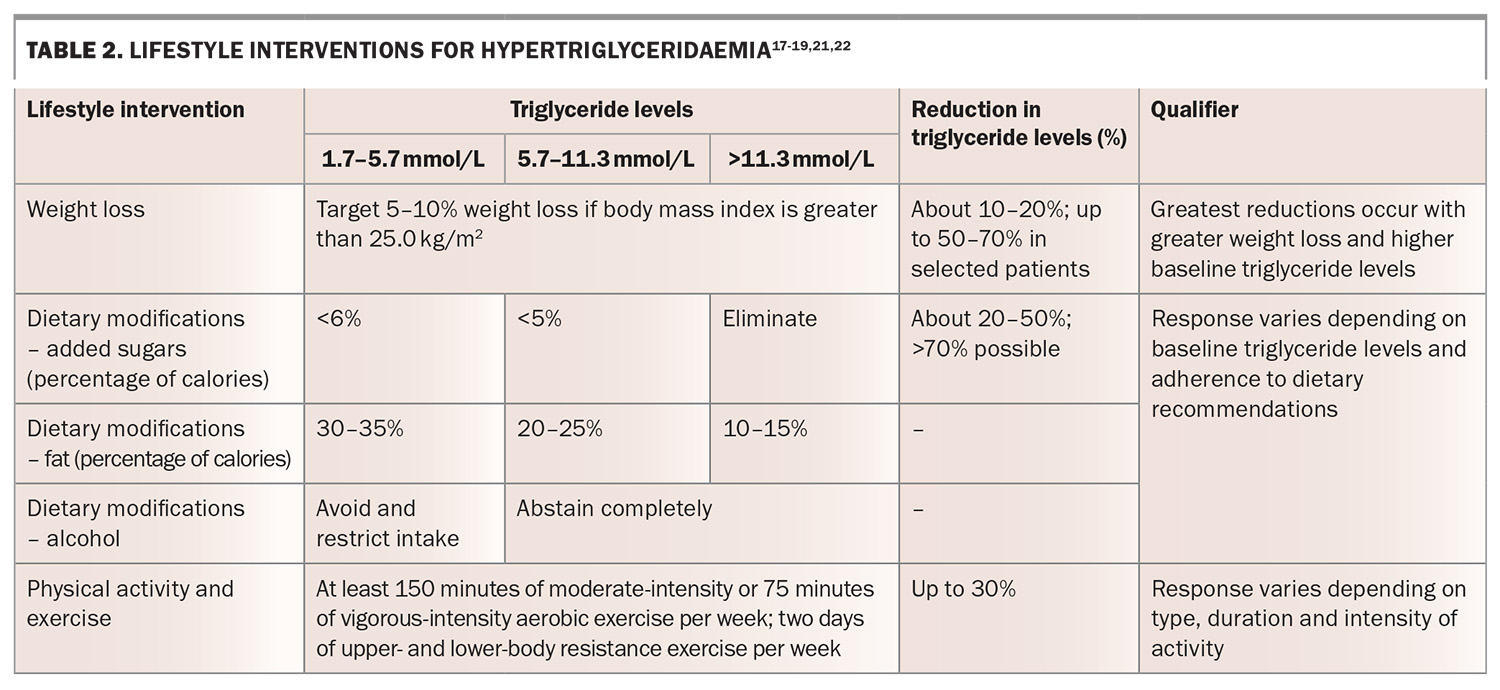
Exercise counselling should include both aerobic and resistance training, which may be more effective than either modality alone.25 Current guidelines recommend at least 150 minutes per week of moderate-intensity exercise, or 75 minutes per week of vigorous-intensity exercise.17 Physical activity is estimated to reduce triglyceride levels by up to 30%, depending on baseline phenotype and training intensity.20 Higher-intensity training may confer greater improvements in insulin sensitivity.26
Pharmacological therapy
Statins are the first-line pharmacological therapy to reduce ASCVD risk in high-risk patients and lower triglyceride levels by 20 to 30% from baseline (Flowchart).17,27 Most landmark statin trials excluded patients with triglyceride levels higher than 4.5 to 5.0 mmol/L, in part because Friedewald-calculated LDL-C levels become unreliable at higher triglyceride levels.28,29 Further LDL-C lowering can be achieved with ezetimibe and proprotein convertase subtilisin/kexin type 9 inhibitors among eligible very-high-risk patients.15
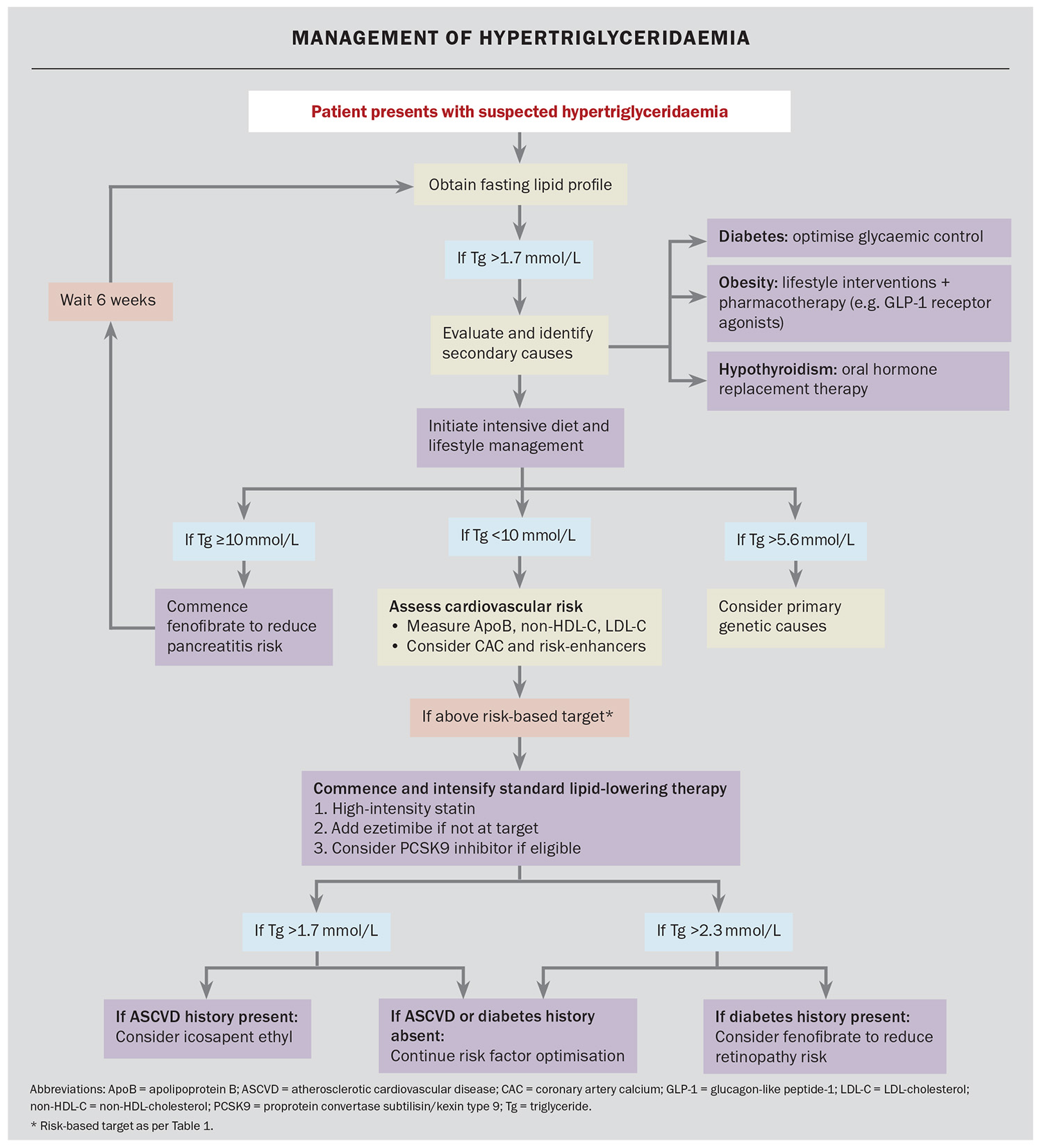
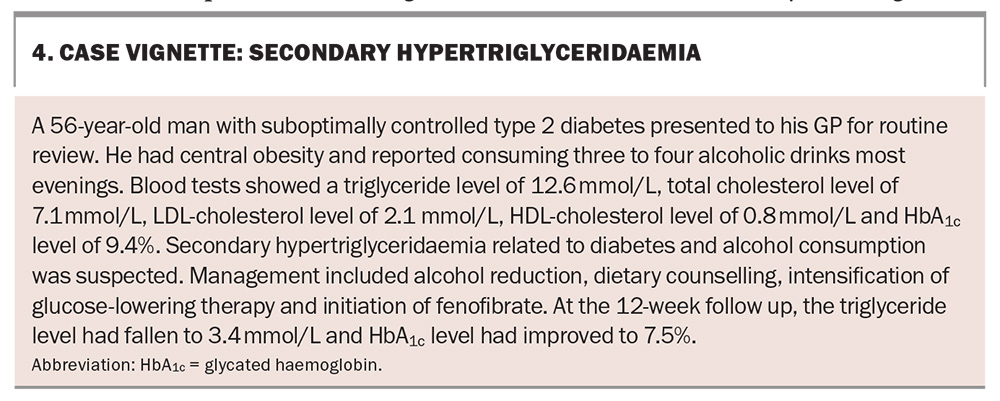
Fibrates lower triglyceride levels by as much as 20 to 50% and may have modest effects on LDL-C, but they have not demonstrated a consistent benefit in terms of major adverse cardiovascular events in statin-treated individuals. The Fenofibrate Intervention and Event Lowering in Diabetes (FIELD) trial found no significant reduction in ASCVD events with fenofibrate compared with placebo in 9795 patients with type 2 diabetes.30 Further post-hoc analysis hinted at a benefit among those with atherogenic dyslipidaemia; however, this hypothesis was not supported by the subsequent Pemafibrate to Reduce Cardiovascular Outcomes by Reducing Triglycerides in Patients With Diabetes (PROMINENT) trial of pemafibrate, which failed to demonstrate a reduction in cardiovascular events.31 In the absence of other indications (e.g. slowing of retinopathy independent of lipid levels), fibrates are not recommended for ASCVD risk reduction.32 However, given their ability to reduce triglyceride levels, fibrates should be used to reduce the risk of pancreatitis among those with extremely elevated triglyceride levels, with fenofibrate preferred over gemfibrozil to minimise the risk of statin myotoxicity.33 A case vignette of secondary hypertriglyceridaemia is presented in Box 4.
Niacin can reduce triglyceride levels by 20 to 30%, but its use has been limited because of poorly tolerated adverse effects, including subcutaneous flushing.25
Over-the-counter preparations of omega-3 fatty acid supplementation, containing varying amounts of eicosapentaenoic acid (EPA) and docosahexaenoic acid, have not been shown to reduce cardiovascular events outside haemodialysis settings.34,35 In contrast, two large clinical trials of purified EPA alone have demonstrated benefit. In the Japan EPA Lipid Intervention Study (JELIS), 1.8 g of EPA in combination with a statin resulted in fewer major coronary events compared with statin alone.36
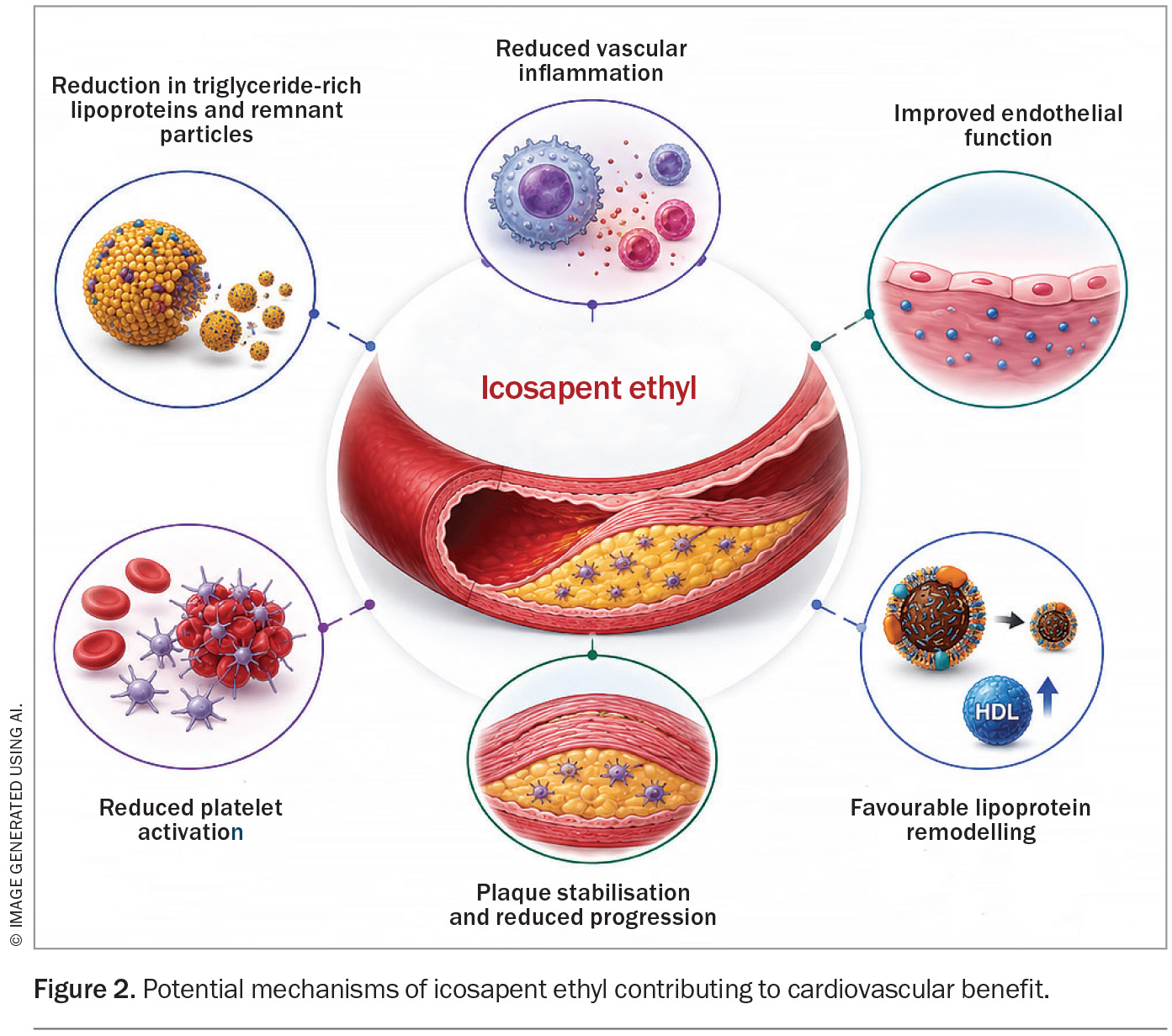
In the Reduction of Cardiovascular Events With Icosapent Ethyl–Intervention Trial (REDUCE-IT), a highly purified EPA ester, icosapent ethyl (IPE), 2 g administered twice daily, achieved a 25% relative risk reduction (hazard ratio, 0.75; 95% confidence interval, 0.68–0.83) for the primary composite CVD endpoint in more than 8000 statin-treated patients with established ASCVD or diabetes, plus additional risk factors, and fasting triglyceride levels between 1.52 and 5.63 mmol/L.37 IPE reduces triglyceride levels modestly by about 20%; however, this mediates only a minority of the ASCVD benefit and likely invokes other pleiotropic mechanisms contributing to cardiovascular risk reduction (Figure 2).
Although it was generally well tolerated in the REDUCE-IT trial, IPE was associated with a modest increase in atrial fibrillation and flutter, primarily driven by hospitalisations for atrial fibrillation (3.1% vs 2.1%; p = 0.004) but without evidence of an increase in stroke. Clinicians should use IPE with caution among those with prior atrial fibrillation or a higher baseline risk in whom the majority of atrial fibrillation events were observed.38 Higher rates of bleeding were noted among IPE-treated patients compared with placebo-treated patients (11.8% vs 9.9%), likely attributed to its antithrombotic effects, although rates of serious bleeding (2.7% vs 2.1%; p = 0.06), including haemorrhagic stroke, were similar. Caution should be exercised when prescribing IPE in addition to existing antithrombotic therapy, as bleeding rates were higher among patients receiving concomitant antithrombotic therapy.
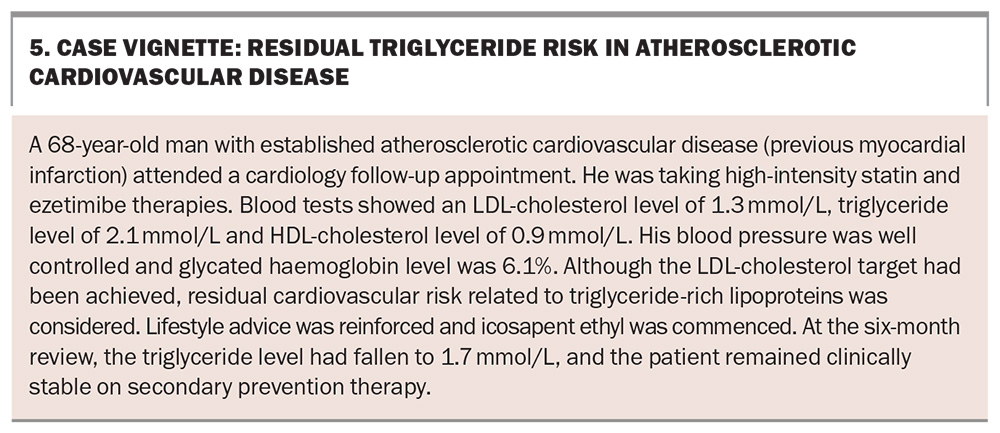
IPE was given a class IIa recommendation in high-risk or very high-risk patients with fasting triglyceride levels of 1.5 to 5.6 mmol/L to reduce cardiovascular events and is similarly acknowledged in the Australian acute coronary syndrome guidelines.15,39 IPE is TGA approved and PBS subsidised for patients with established ASCVD on statin therapy (unless contraindicated or not tolerated), with LDL-C levels of 1.0 to 2.6 mmol/L and fasting triglyceride levels of 1.7 to 5.6 mmol/L. A case vignette of residual triglyceride risk in ASCVD is presented in Box 5.
Although fish oil preparations can be considered to reduce triglyceride levels among those at risk of pancreatitis, IPE is not approved for this indication.
Emerging therapies
Emerging therapies, particularly for patients with extreme hypertriglyceridaemia at risk of pancreatitis, are currently moving through clinical development. Specifically, inhibitors of apoC-III and angiopoietin-like protein 3 can reduce triglyceride levels by as much as 80%. Plozasiran, a small interfering RNA dosed every three months, is now TGA approved for familial chylomicronaemia syndrome; however, access is currently limited.40 Whether these therapies can also improve cardiovascular outcomes among patients with hypertriglyceridaemia is unknown. Glucagon-like peptide-1 receptor agonists can favourably reduce triglyceride levels by up to 30%. Although not indicated specifically for triglyceride lowering, this salutary effect may be of particular importance among those with cardiovascular–kidney–metabolic syndrome who have other indications for glucagon-like peptide-1 receptor agonists, such as obesity with complications, ASCVD risk reduction among those with or without diabetes, or metabolic dysfunction-associated steatotic liver disease treatment.
Follow up
Following initiation of lifestyle or pharmacological therapy, review within six to 12 weeks is appropriate to assess adherence, tolerability and biochemical response with repeat lipid testing. Once triglyceride levels are stable and secondary drivers are well controlled, the monitoring frequency can be individualised according to overall cardiovascular risk and treatment intensity.
For patients managed with lifestyle modification, cardiovascular risk assessment with repeat lipid testing should occur every two years for those at an estimated intermediate five-year risk (5–10%), and every five years for those at low risk (<5%). If pharmacotherapy is commenced or intensified, early review at about six weeks should be performed. Review of weight, alcohol intake, tobacco use, blood pressure, glycaemic control, medication adherence and control of secondary drivers, such as hypothyroidism and systemic inflammatory disease, should occur at each visit.
Allied health input may be particularly beneficial for those with modifiable lifestyle factors. A registered dietitian can help translate general advice into an achievable eating plan, an exercise physiologist can help develop tailored aerobic and resistance training programs and credentialled diabetes educators are instrumental in addressing dysglycaemia among those with suboptimal control.25 Specialist referral should be considered in high-risk phenotypes, including extreme and refractory hypertriglyceridaemia, pancreatitis, suspected genetic dyslipidaemia, recurrent ASCVD events or diagnostic uncertainty.
Conclusion
Hypertriglyceridaemia is a marker of underlying metabolic dysfunction and increased atherogenic lipoprotein burden rather than an isolated lipid abnormality. Management should focus on identifying and addressing secondary causes, optimising lifestyle factors and reducing ASCVD risk through lowering apoB-containing lipoproteins. In patients with extreme hypertriglyceridaemia, additional attention is required to reduce the risk of pancreatitis. MT
COMPETING INTERESTS: Dr Ma: None. Associate Professor Nelson has received funding to his institute from Amgen and Novartis; consulting fees from Amgen, CSL Seqirus, Eli Lilly, GSK, Boehringer Ingelheim, Novartis and Novo Nordisk; speaker honoraria from Amgen, AstraZeneca, Boehringer Ingelheim, CSL Seqirus, GSK, Novartis, Novo Nordisk and Sanofi; and payments for participation on advisory boards for Novartis, AMGEN, CSL Seqirus, Novo Nordisk, GSK, Ely Lilly, Sanofi, VAXXINITY and CRISPR Tx. Dr Hungerford has received consulting fees, honoraria and speaker fees, payment for expert testimony and travel support from and served on advisory boards or expert panels for Amgen, AstraZeneca, Lilly, Boehringer Ingelheim, Menarini, Novartis and Novo Nordisk; and has participated on the clinical council for the Australian Atherosclerosis Society.
References
1. Roth GA, Mensah GA, Johnson CO, et al. Global burden of cardiovascular diseases and risk factors, 1990-2019: update from the GBD 2019 study. J Am Coll Cardiol 2020; 76: 2982-3021.
2. Ference BA, Ginsberg HN, Graham I, et al. Low-density lipoproteins cause atherosclerotic cardiovascular disease. 1. Evidence from genetic, epidemiologic, and clinical studies. A consensus statement from the European Atherosclerosis Society Consensus Panel. Eur Heart J 2017; 38: 2459-2472.
3. Global Cardiovascular Risk Consortium; Magnussen C, Ojeda FM, Leong DP, et al. Global effect of modifiable risk factors on cardiovascular disease and mortality. New Engl J Med 2023; 389: 1273-1285.
4. Tan HLE, Hure A, Peel R, Hancock S, Attia J. Prevalence and clinical risk prediction of hypertriglyceridaemia in a community cohort. Intern Med J 2023; 53: 363-372.
5. Ginsberg HN, Packard CJ, Chapman MJ, et al. Triglyceride-rich lipoproteins and their remnants: metabolic insights, role in atherosclerotic cardiovascular disease, and emerging therapeutic strategies-a consensus statement from the European Atherosclerosis Society. Eur Heart J 2021; 42: 4791-4806.
6. Chait A, Ginsberg HN, Vaisar T, Heinecke JW, Goldberg IJ, Bornfeldt KE. Remnants of the triglyceride-rich lipoproteins, diabetes, and cardiovascular disease. Diabetes 2020; 69: 508-516.
7. Chapman MJ, Orsoni A, Tan R, et al. LDL subclass lipidomics in atherogenic dyslipidemia: effect of statin therapy on bioactive lipids and dense LDL. J Lipid Res 2020; 61: 911-932.
8. Nordestgaard BG, Benn M, Schnohr P, Tybjærg-Hansen A. Nonfasting triglycerides and risk of myocardial infarction, ischemic heart disease, and death in men and women. JAMA 2007; 298: 299-308.
9. Ambrosy AP, Yang J, Sung SH, et al. Triglyceride levels and residual risk of atherosclerotic cardiovascular disease events and death in adults receiving statin therapy for primary or secondary prevention: insights from the KP REACH study. J Am Heart Assoc 2021; 10: e020377.
10. Garg R, Rustagi T. Management of hypertriglyceridemia induced acute pancreatitis. Biomed Res Int 2018; 2018(1): 4721357.
11. Valdivielso P, Ramírez-Bueno A, Ewald N. Current knowledge of hypertriglyceridemic pancreatitis. Eur J Intern Med 2014; 25: 689-694.
12. Ference BA, Kastelein JJP, Ray KK, et al. Association of triglyceride-lowering LPL variants and LDL-C-lowering LDLR variants with risk of coronary heart disease. JAMA 2019; 321: 364-373.
13. Hegele RA, Ginsberg HN, Chapman MJ, et al. The polygenic nature of hypertriglyceridaemia: implications for definition, diagnosis, and management. Lancet Diabetes Endocrinol 2014; 2: 655-666.
14. Nordestgaard BG, Langsted A, Mora S, et al. Fasting is not routinely required for determination of a lipid profile: clinical and laboratory implications including flagging at desirable concentration cutpoints-a joint consensus statement from the European Atherosclerosis Society and European Federation of Clinical Chemistry and Laboratory Medicine. Clin Chem 2016; 62: 930-946.
15. Mach F, Koskinas KC, van Lennep JER, et al. 2025 focused update of the 2019 ESC/EAS guidelines for the management of dyslipidaemias: developed by the task force for the management of dyslipidaemias of the European Society of Cardiology (ESC) and the European Atherosclerosis Society (EAS). Eur Heart J 2025; 46: 4359-4378.
16. Blumenthal RS, Morris PB, Gaudino M, et al. 2026 ACC/AHA/AACVPR/ABC/ACPM/ADA/AGS/APhA/ASPC/NLA/PCNA guideline on the management of dyslipidemia: a report of the American College of Cardiology/American Heart Association Joint Committee on Clinical Practice Guidelines. J Am Coll Cardiol 2026; 87: 2624-2757.
17. Mach F, Baigent C, Catapano AL, et al. 2019 ESC/EAS Guidelines for the management of dyslipidaemias: lipid modification to reduce cardiovascular risk. Eur Heart J 2020; 41: 111-188.
18. Grundy SM, Stone NJ, Bailey AL, et al. 2018 AHA/ACC/AACVPR/AAPA/ABC/ACPM/ADA/AGS/APhA/ASPC/NLA/PCNA guideline on the management of blood cholesterol: a report of the American College of Cardiology/American Heart Association Task Force on Clinical Practice Guidelines. Circulation 2019; 139: e1082-e1143.
19. Miller M, Stone NJ, Ballantyne C, et al. Triglycerides and cardiovascular disease. Circulation 2011; 123: 2292-2333.
20. Byrne A, Makadia S, Sutherland A, Miller M. Optimizing non-pharmacologic management of hypertriglyceridemia. Arch Med Res 2017; 48: 483-487.
21. Dattilo AM, Kris-Etherton PM. Effects of weight reduction on blood lipids and lipoproteins: a meta-analysis. Am J Clin Nutr 1992; 56: 320-328.
22. Rees K, Takeda A, Martin N, et al. Mediterranean-style diet for the primary and secondary prevention of cardiovascular disease. Cochrane Database Syst Rev 2019; 3(3): CD009825.
23. Lawrence JA, Thomas JM, Obarzanek E, et al. A clinical trial of the effects of dietary patterns on blood pressure. DASH Collaborative Research Group. New Engl J Med 1997; 336: 1117-1124.
24. Blumenthal RS, Morris PB, Gaudino M, et al. 2026 ACC/AHA/AACVPR/ABC/ACPM/ADA/AGS/APhA/ASPC/NLA/PCNA guideline on the management of dyslipidemia: a report of the American College of Cardiology/American Heart Association Joint Committee on Clinical Practice Guidelines. Circulation 2026; 153: e1154-e1276.
25. Virani SS, Morris PB, Agarwala A, et al. 2021 ACC Expert Consensus Decision Pathway on the Management of ASCVD risk reduction in patients with persistent hypertriglyceridemia: a report of the American College of Cardiology Solution Set Oversight Committee. J Am Coll Cardiol 2021; 78: 960-993.
26. Kelley GA, Kelley KS. Impact of progressive resistance training on lipids and lipoproteins in adults: a meta-analysis of randomized controlled trials. Prev Med 2009; 48: 9-19.
27. Berglund L, Brunzell JD, Goldberg AC, et al. Evaluation and treatment of hypertriglyceridemia: an Endocrine Society clinical practice guideline. J Clin Endocrinol Metab 2012; 97: 2969-2989.
28. Sever PS, Dahlöf B, Poulter NR, et al. Prevention of coronary and stroke events with atorvastatin in hypertensive patients who have average or lower-than-average cholesterol concentrations, in the Anglo-Scandinavian Cardiac Outcomes Trial-Lipid Lowering Arm (ASCOT-LLA): a multicentre randomised controlled trial. Lancet 2003; 361: 1149-1158.
29. Long-Term Intervention with Pravastatin in Ischaemic Disease (LIPID) Study Group. Prevention of cardiovascular events and death with pravastatin in patients with coronary heart disease and a broad range of initial cholesterol levels. New Engl J Med 1998; 339: 1349-1357.
30. Keech A, Simes RJ, Barter P, et al; FIELD study investigators. Effects of long-term fenofibrate therapy on cardiovascular events in 9795 people with type 2 diabetes mellitus (the FIELD study): randomised controlled trial. Lancet 2005; 366: 1849-1861.
31. Pradhan AD, Glynn RJ, Fruchart J-C, et al. Triglyceride lowering with pemafibrate to reduce cardiovascular risk. New Engl J Med 2022; 387: 1923-1934.
32. Zambon A, Staels B, Farnier M, Vrablik M, Catapano AL. Not all fibrates are made equal: learning from biology and clinical trials. Atherosclerosis 2025; 411: 120555.
33. Wiggins BS, Saseen JJ, Page RL, 2nd, et al. Recommendations for management of clinically significant drug-drug interactions with statins and select agents used in patients with cardiovascular disease: a scientific statement from the American Heart Association. Circulation 2016; 134: e468-e495.
34. Nicholls SJ, Nelson AJ. The fish-oil paradox. Curr Opin Lipidol 2020; 31: 356-361.
35. Lok CE, Farkouh M, Hemmelgarn BR, et al. Fish-oil supplementation and cardiovascular events in patients receiving hemodialysis. New Engl J Med 2026; 394: 128-137.
36. Yokoyama M, Origasa H, Matsuzaki M, et al. Effects of eicosapentaenoic acid on major coronary events in hypercholesterolaemic patients (JELIS): a randomised open-label, blinded endpoint analysis. Lancet 2007; 369: 1090-1098.
37. Bhatt DL, Steg PG, Miller M, et al. Cardiovascular risk reduction with icosapent ethyl for hypertriglyceridemia. New Engl J Med 2019; 380: 11-22.
38. Olshansky B, Bhatt DL, Miller M, et al. Cardiovascular benefits of icosapent ethyl in patients with and without atrial fibrillation in REDUCE-IT. J Am Heart Assoc 2023; 12: e026756.
39. Brieger D, Cullen L, Briffa T, et al. National Heart Foundation of Australia & Cardiac Society of Australia and New Zealand: Comprehensive Australian Clinical Guideline for Diagnosing and Managing Acute Coronary Syndromes 2025. Heart Lung Circ 2025; 34: 309-397.
40. Watts GF, Rosenson RS, Hegele RA, et al. Plozasiran for managing persistent chylomicronemia and pancreatitis risk. New Engl J Med 2025; 392: 127-137.
Single article purchases are temporarily unavailable due to site maintenance.
If you would like to purchase an article during this time, please email us at [email protected] with the article details and we'll assist you directly. We'll also let you know when online purchasing is available again.
Thank you for your patience and understanding.