
Icosapent ethyl: prescription-grade eicosapentaenoic acid to reduce cardiovascular risk

Icosapent ethyl is an esterified eicosapentaenoic acid that reduces cardiovascular events in statin-treated patients with hypertriglyceridaemia and established cardiovascular disease, or diabetes and at least one other cardiovascular risk factor. Its benefits appear to extend beyond triglyceride lowering, and its overall safety profile is favourable.
- Residual cardiovascular risk remains common in statin-treated patients and is often driven by thrombotic, lipid, metabolic and inflammatory pathways.
- Icosapent ethyl significantly reduces cardiovascular events in eligible high-risk patients with elevated triglyceride levels despite statin therapy.
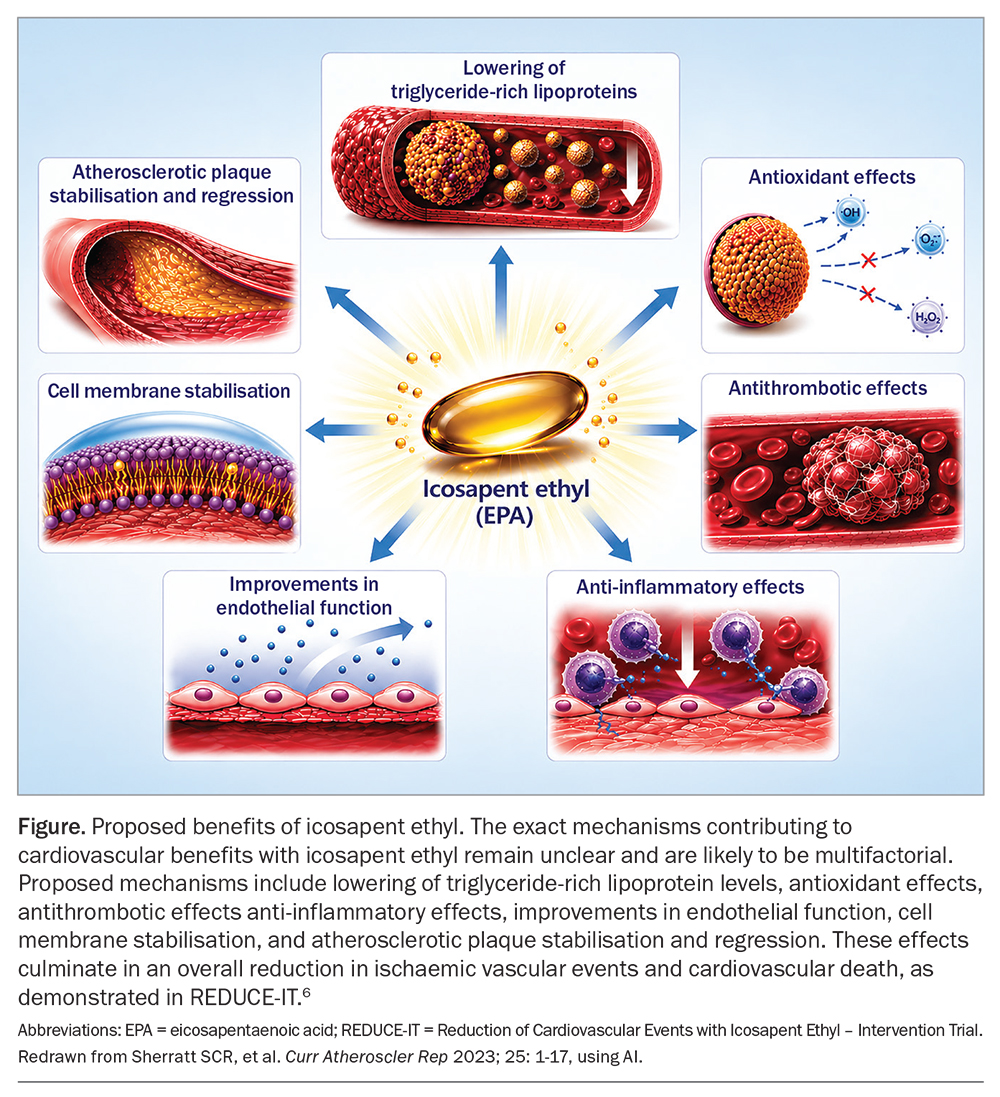
- The cardiovascular benefits of icosapent ethyl may extend beyond triglyceride lowering to include antithrombotic, anti-inflammatory, antioxidant and plaque-stabilising effects.
- Icosapent ethyl is TGA approved. It is PBS subsidised for eligible patients with established cardiovascular disease and recommended by several national and international guidelines.
- Potential adverse effects of icosapent ethyl include atrial fibrillation and bleeding, but its overall safety profile is favourable.
Atherosclerotic cardiovascular (CV) disease remains a leading cause of morbidity and mortality in Australia, imposing a substantial burden on healthcare expenditure.1 Despite advances in the management of modifiable CV risk factors, such as intensive lowering of LDL cholesterol (LDL-C) with high-intensity statins, ezetimibe and proprotein convertase subtilisin/kexin type 9-directed therapies, residual risk remains a significant challenge for many patients.2,3 This residual risk is multifactorial, often driven by thrombotic, lipid, metabolic and inflammatory pathways, which has catalysed the search for novel pharmacotherapies that can mitigate CV risk beyond targeting traditional risk factors.2 In particular, hypertriglyceridaemia is common in patients with CV disease and is associated with an increased risk of CV events despite optimal statin treatment.4,5
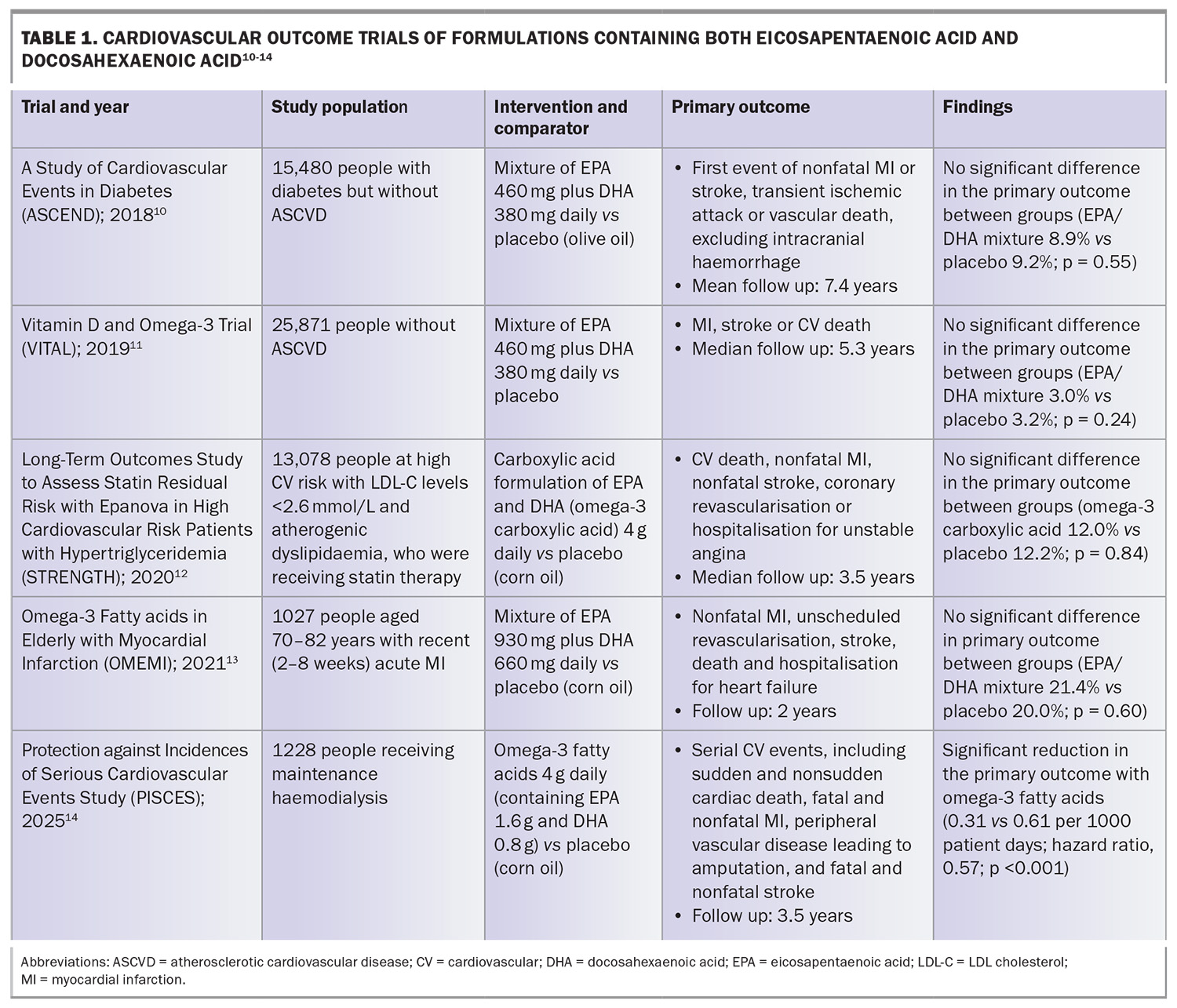
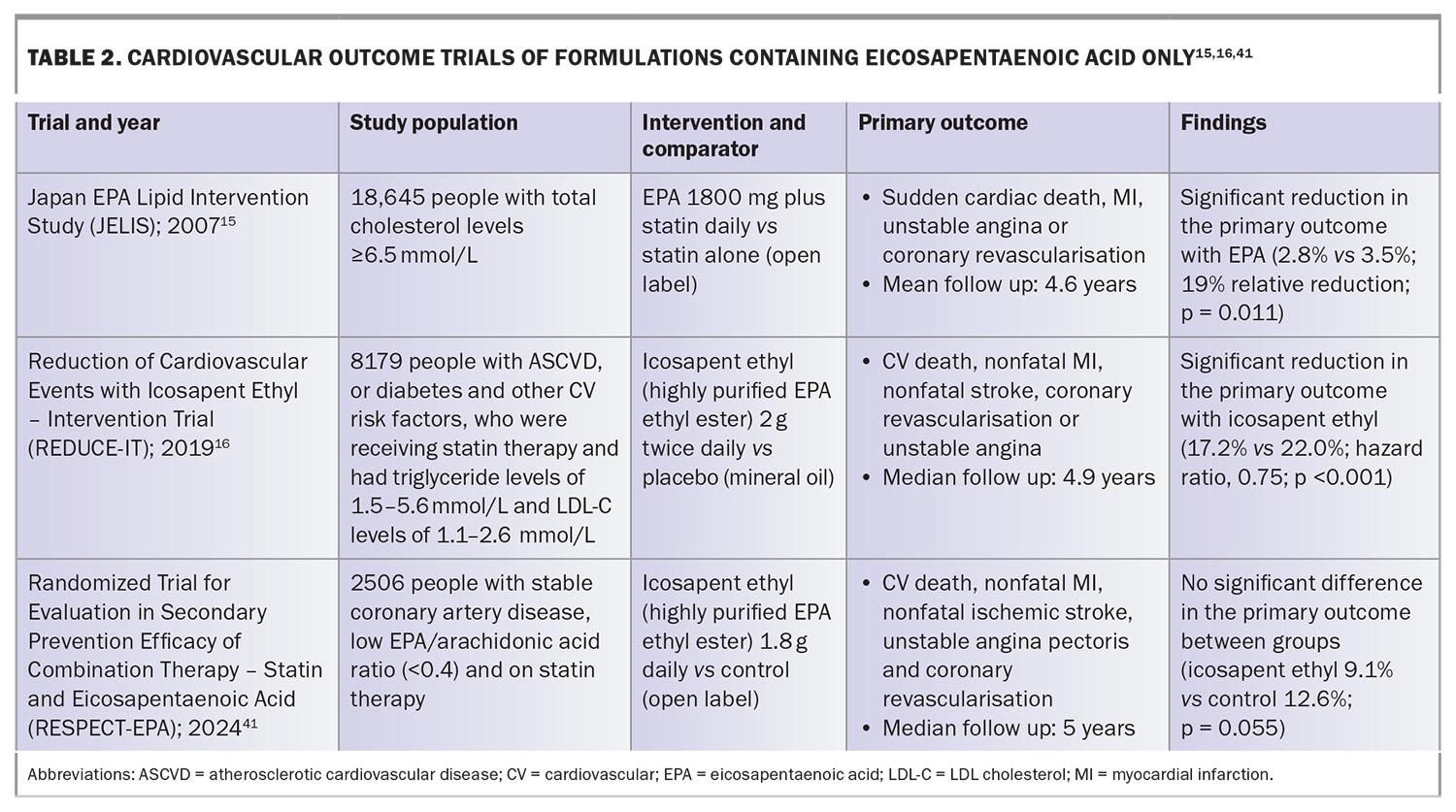
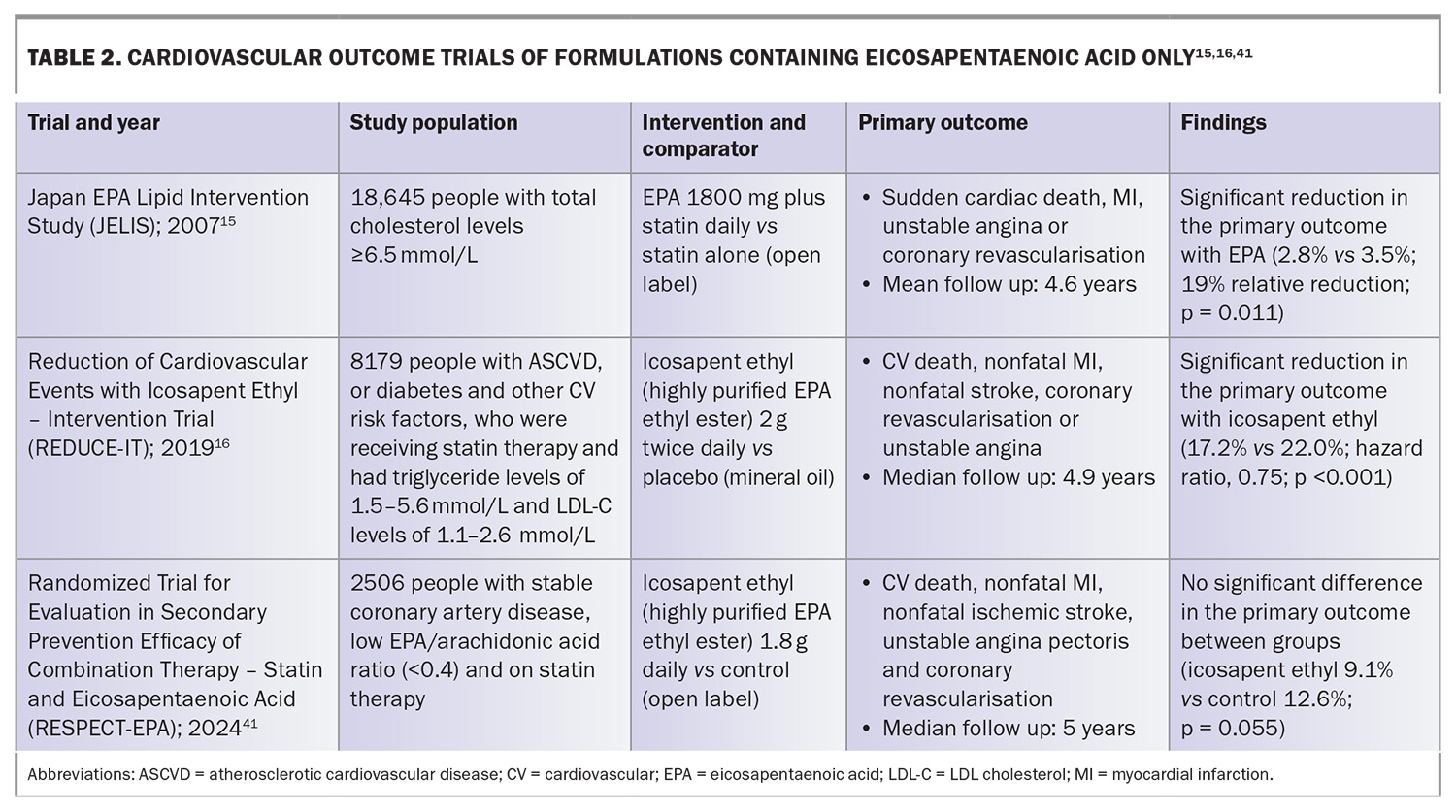
Omega-3 fatty acids, including eicosapentaenoic acid (EPA) and docosahexaenoic acid (DHA), can lower triglyceride levels and may have additional pleiotropic cardioprotective properties, but their role in CV prevention continues to be debated.6-8 EPA and DHA differ in their effects on cell membrane structure, lipid oxidation, inflammation and endothelial function.8 Notably, the cell membrane-stabilising effects of EPA may be neutralised when co-administered with DHA.9 Clinical trials that have evaluated various formulations of EPA and DHA in combination have not shown a significant reduction in CV events compared with placebo, except for the Protection against Incidences of Serious Cardiovascular Events Study (PISCES) in haemodialysis patients, as summarised in Table 1.10-14 On the other hand, the Japan EPA Lipid Intervention Study (JELIS) and Reduction of Cardiovascular Events with Icosapent Ethyl – Intervention Trial (REDUCE-IT) demonstrated that EPA-only formulations significantly reduces CV events, as summarised in Table 2.15,16
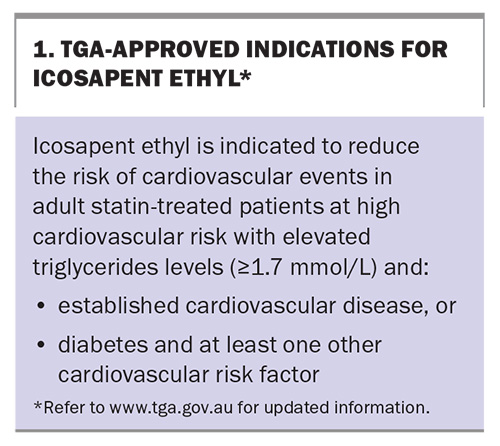
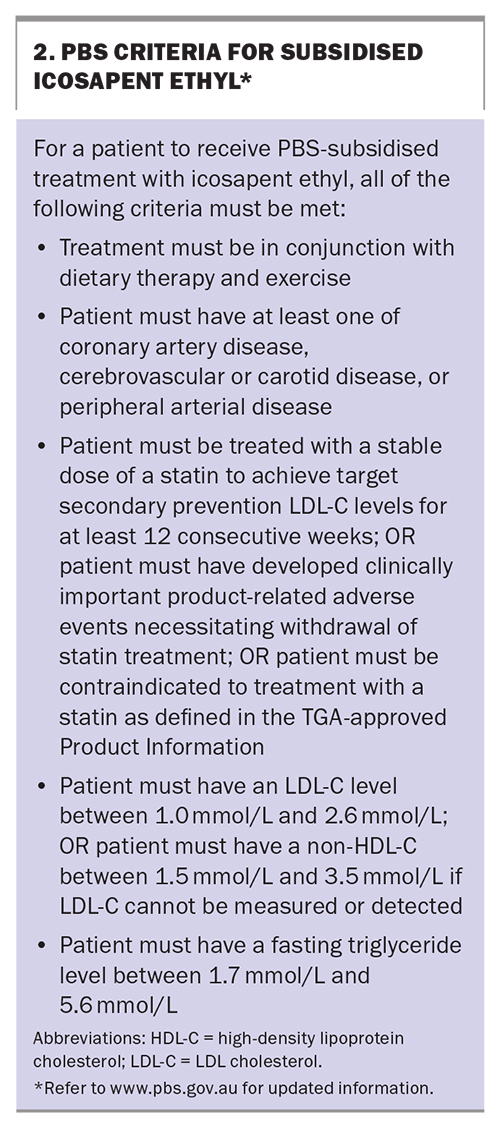
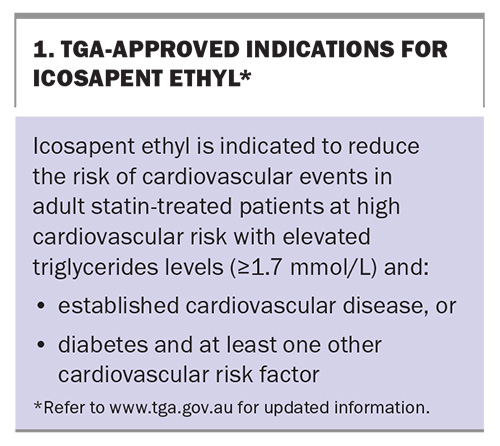
As a result, icosapent ethyl, an esterified EPA derived from fish oil, has become the first prescription-grade EPA to be approved by the US Food and Drug Administration (FDA) to reduce the risk of atherosclerotic CV disease in adults.17 Icosapent ethyl was subsequently approved by the TGA in November 2022 and is currently subsidised on the PBS under specific criteria (Box 1 and Box 2).18 Furthermore, icosapent ethyl is recommended by several national and international guidelines for the prevention of CV events in eligible high-risk patients.19-23
What is the evidence for its cardiovascular benefit?
The effect of icosapent ethyl, prescribed at 2 g twice daily, on CV outcomes was assessed in the multinational REDUCE-IT trial.16 The trial randomised 8179 patients with established CV disease or diabetes plus at least one other CV risk factor, who had fasting triglyceride levels of 1.5 to 5.6 mmol/L, controlled LDL-C levels of 1.1 to 2.6 mmol/L and who were on statin therapy.16 After a median follow up of 4.9 years, the primary endpoint (a composite of CV death, nonfatal myocardial infarction, nonfatal stroke, coronary revascularisation or unstable angina) was significantly reduced compared with placebo (17.2% vs 22.0%; hazard ratio [HR], 0.75; 95% confidence interval [CI], 0.68–0.83; p <0.001), with a number needed to treat of 21 to prevent one CV event.16 Moreover, the key secondary endpoint (a composite of CV death, nonfatal myocardial infarction or nonfatal stroke) was significantly reduced compared with placebo (11.2% vs 14.8%; HR 0.74; 95% CI, 0.65–0.83; p <0.001), as was CV death (4.3% vs 5.2%; HR 0.80; 95% CI, 0.66–0.98; p = 0.03).16
Prespecified analyses of REDUCE-IT have demonstrated that icosapent ethyl significantly reduced the burden of first, subsequent and total ischaemic events for each individual component of the composite primary endpoint.24 Subsequent analyses of REDUCE-IT have identified groups likely to derive greater absolute benefit, including those with prior myocardial infarction, prior coronary artery bypass graft surgery, prior percutaneous coronary intervention, recent acute coronary syndrome, estimated glomerular filtration rate of less than 60 mL/min/1.73 m2 and cardiovascular–kidney–metabolic syndrome.25-31 Moreover, icosapent ethyl provided similar CV risk reduction in patients with and without heart failure, irrespective of lipoprotein(a) levels, and across different types of background statin therapy in REDUCE-IT.32-34 Cost-effectiveness analyses have also demonstrated that icosapent ethyl is cost effective for CV prevention, particularly in patients with CV disease, and yielded more quality-adjusted life-years than standard care.35-37
The placebo used in REDUCE-IT contained prescription-grade mineral oil to mimic the colour and consistency of icosapent ethyl.16 Small increases in triglyceride levels (2.2% at one year), LDL-C levels (10.2% at one year) and high-sensitivity C-reactive protein levels (from 2.1 mg/L to 2.8 mg/L at two years) were observed in the placebo group, which has generated some debate about whether the mineral oil placebo was inert.16,38,39 However, these biomarker increases were not significantly associated with CV outcomes according to the independent Data and Safety Monitoring Committee of REDUCE-IT.38 Independent analyses by the FDA indicated that the effect of these increased biomarkers on the primary endpoint was numerically small, would not account for the 25% relative risk reduction, and was therefore unlikely to change the overall study conclusions.38,40 Moreover, the JELIS trial of Japanese patients with hypercholesterolaemia did not administer mineral oil as placebo and showed a significant CV benefit of EPA-only supplementation.15
More recently, the Randomized Trial for Evaluation in Secondary Prevention Efficacy of Combination Therapy – Statin and Eicosapentaenoic Acid (RESPECT-EPA) evaluated icosapent ethyl in 2506 Japanese patients with coronary artery disease and a low EPA/arachidonic acid ratio and who were on statin therapy.41 Icosapent ethyl resulted in a numerically lower risk of the primary endpoint that did not reach statistical significance (Table 2).41 On the other hand, the secondary endpoint (a composite of sudden cardiac death, fatal and nonfatal myocardial infarction, unstable angina requiring emergency hospitalisation and coronary revascularisation, or coronary revascularisation) was significantly lower with icosapent ethyl compared with placebo (6.6% vs 9.7%; HR, 0.73; 95% CI, 0.55–0.97).41 It is important to note that the RESPECT-EPA trial used a lower dose of icosapent ethyl (1.8 g daily), had a smaller sample size than REDUCE-IT and JELIS, and was likely underpowered because of the high discontinuation rate of the study drug and the higher dropout rate in the treatment compared with the control group.41,42
What are the mechanisms of cardiovascular benefit?
In REDUCE-IT, triglyceride levels decreased by a median of 18.3% in the icosapent ethyl group and increased by 2.2% in the placebo group after one year.16 Although residual hypertriglyceridaemia was an inclusion criterion for REDUCE-IT, the reduction in CV risk with icosapent ethyl was similar across baseline and the treatment achieved target triglyceride levels.16,43 This finding suggests that mechanisms of icosapent ethyl beyond its lowering of triglyceride levels, such as its antithrombotic, anti-inflammatory, antioxidant and atherosclerotic plaque-stabilising effects, may be contributing factors, as shown in the Figure.6,8 However, the exact mechanisms of CV benefit remain unclear. Among patients in REDUCE-IT, icosapent ethyl had minimal effects on biomarkers associated with CV disease, such as interleukin-1 beta, interleukin-6, high-sensitivity C-reactive protein, oxidised LDL-C, homocysteine, lipoprotein(a) and lipoprotein- associated phospholipase A2.44 Moreover, icosapent ethyl reduced the rate of CV endpoints irrespective of baseline LDL-C in REDUCE-IT.45 As such, further studies will be needed to determine whether icosapent ethyl provides CV benefits in patients with LDL-C and triglyceride levels outside of the REDUCE-IT trial inclusion criteria. Preliminary data suggest that on-treatment (or achieved) EPA levels may correlate inversely with risk of CV events; however, plasma EPA levels are not currently routinely measured.41,42
Intravascular imaging studies have previously demonstrated that EPA may mediate the regression of plaques and stabilisation of thin-cap fibroatheroma.46,47 More recently, cardiac imaging studies have provided further mechanistic data.48,49 The Effect of Vascepa on Improving Coronary Atherosclerosis in People With High Triglycerides Taking Statin Therapy (EVAPORATE) trial randomised 80 patients with coronary atherosclerosis, hypertriglyceridaemia (triglyceride levels of 1.5 to 5.6 mmol/L) and LDL-C levels inclusive of 1.0 to 3.0 mmol/L, who were receiving statin therapy, to either 4 g daily of icosapent ethyl or placebo with mineral oil.48 The trial demonstrated that icosapent ethyl decreased low-attenuation (at-risk) plaque volume after 18 months (including fibrous, fibrofatty, total noncalcified and total plaque volumes) compared with placebo, as measured by cardiac CT angiography, with no significant differences in the change in LDL-C or triglyceride levels.48 Analyses have also demonstrated that icosapent ethyl improved fractional flow reserve, derived from cardiac CT angiography, at nine and 18 months compared with placebo.49 These findings suggest that a favourable impact on atherosclerotic plaque and coronary physiology may be a mechanism leading to the reduction in CV events with icosapent ethyl.
When and in whom should the therapy be used?
The TGA-approved indications for icosapent ethyl aligns with trial inclusion criteria for REDUCE-IT and is shown in Box 1. PBS-prescribing criteria are shown in Box 2, noting that a fasting triglyceride level is required. Icosapent ethyl is not currently PBS subsidised for the TGA indication of patients with diabetes and at least one additional CV risk factor who do not have established CV disease. Icosapent ethyl can also be considered, as a prescription omega-3 fatty acid, for lowering triglyceride levels and the risk of pancreatitis in patients with persistent severe hypertriglyceridaemia (>5.6 mmol/L), based on guideline recommendations, although it is not TGA approved for this indication.18,21,50
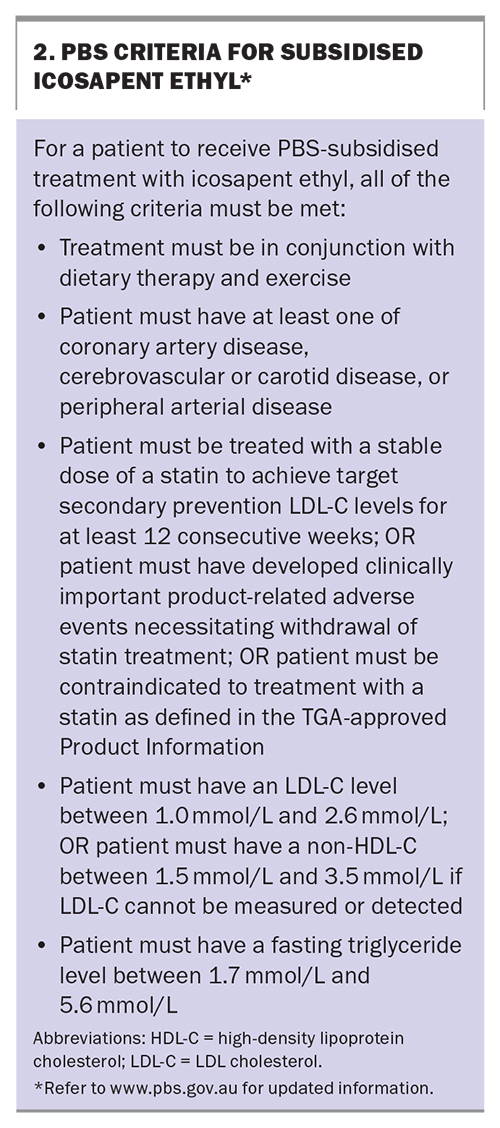
If the patient does not fulfil the PBS criteria, they may be prescribed icosapent ethyl via a private prescription (cost as of April 2026: $154.43 per 120 capsules or about $5 per day at the recommended dose; refer to https://www.pbs.gov.au for updated information). Icosapent ethyl is prescribed as a daily oral dose of four capsules, taken as two 998 mg capsules twice daily, and should be taken with or following a meal, as this may assist with the management of potential gastrointestinal side effects. The PBS authority streamlined code is 15889 for initial treatment and 15927 for continuing treatment. Continuing treatment does not require LDL-C or triglyceride criteria.
What are the side effects and important precautions to consider?
In REDUCE-IT, the overall rates of adverse events and serious adverse events leading to discontinuation of icosapent ethyl or placebo did not differ significantly between the groups.16 However, icosapent ethyl was associated with a greater risk of atrial fibrillation (5.3% vs 3.9%).16 An increased risk of new-onset atrial fibrillation was also observed in the RESPECT-EPA trial (icosapent ethyl 3.1% vs control 1.6%; p = 0.017).41 In a meta-analysis of randomi- sed trials examining CV outcomes with omega-3 fatty acids, an increased risk of atrial fibrillation was demonstrated, with the risk being greatest in trials testing doses greater than 1 g/day.51 Notably, the majority of cases of atrial fibrillation or flutter in REDUCE-IT occurred in patients with a history of these conditions.52,53 In patients with a history of prior atrial fibrillation or flutter who are currently in sinus rhythm, the benefit of icosapent ethyl should be balanced against the increased risk of atrial arrhythmia. In the setting of persistent or chronic atrial fibrillation, these considerations may be less important. After commencing icosapent ethyl, patients with a history of paroxysmal atrial fibrillation or flutter should be advised to report palpitations that may herald the onset of an atrial arrhythmia, and an ECG should be performed when clinically indicated.
Serious bleeding events occurred in 2.7% of patients in the icosapent ethyl group compared with 2.1% in the placebo group (p = 0.06), with no fatal bleeding events in either group.16 There were no significant differences between the icosapent ethyl and placebo groups in the rates of adjudicated haemorrhagic stroke (0.3% vs 0.2%; p = 0.55), serious central nervous system bleeding (0.3% vs 0.2%; p = 0.42) or gastrointestinal bleeding (1.5% vs 1.1%; p = 0.15).16 The modestly higher rate of bleeding events with icosapent ethyl may be consistent with the proposed antithrombotic and antiplatelet mechanism of action. Patients taking concomitant antithrombotic agents such as antiplatelets, warfarin and direct-acting oral anticoagulants may be at increased risk of bleeding and should be asked periodically if they have experienced symptoms of bleeding. In patients not taking antithrombotic agents, the rate of serious bleeding with icosapent ethyl is very low (0.2%) and is reportedly similar to placebo (see Australian Product Information). In addition, consideration should be given to timing the commencement of icosapent ethyl with de-escalation of antithrombotic therapies, such as de-escalating dual antiplatelet therapy to monotherapy. The risks and benefits of continuing icosapent ethyl should be discussed with the patient if symptoms suggestive of bleeding occur.
Icosapent ethyl should be used with caution in patients with a known hypersensitivity to fish, shellfish or both. Icosapent ethyl is contraindicated in patients with hypersensitivity to the active substance, soy products or any of the excipients. Limited data are available on the use of icosapent ethyl in pregnant women (category B1). There is also a low potential for clinically significant drug–drug interactions involving the cytochrome P450 enzyme system. No dose adjustment is necessary based on age, or renal or hepatic impairment. In patients with hepatic impairment, aspartate aminotransferase and alanine aminotransferase levels should be monitored as clinically indicated before the start of treatment and at appropriate intervals during treatment.
Conclusion
Icosapent ethyl is an esterified EPA that can significantly reduce CV events in statin-treated patients with hypertriglyceridaemia and established CV disease, or with diabetes and at least one other CV risk factor. The mechanisms through which icosapent ethyl results in CV protection remain unclear; however, several mechanisms have been proposed, including antithrombotic, anti-inflammatory, antioxidant and atherosclerotic plaque-stabilising effects. The therapy has been approved by the TGA, is subsidised on the PBS under specific criteria, and is recommended by several guidelines for the prevention of CV events in eligible high-risk patients. Potential side effects of icosapent ethyl include atrial fibrillation and bleeding, but its overall safety profile is favourable. Icosapent ethyl should be recommended for CV prevention in eligible high-risk patients. MT
COMPETING INTERESTS: Dr Lan has received research funding from Sanofi as part of a Clinical Fellowship in Endocrinology and Diabetes; has received education support from Amgen, AstraZeneca, Bayer, Boehringer Ingelheim, CSL Seqirus, Eli Lilly, Novartis, Novo Nordisk and Pfizer; has received speaker honoraria from Amgen, AstraZeneca, Boehringer Ingelheim, CSL Seqirus, Eli Lilly, Menarini, Novartis, Novo Nordisk and Sanofi; and has participated in advisory boards for Eli Lilly. Associate Professor Nelson has received research support from AstraZeneca, Amgen, Eli Lilly and Novartis; and is a consultant for Amgen, AstraZeneca, Boehringer Ingelheim, CSL Seqirus, Eli Lilly, GSK, Novartis, Novo Nordisk, Sanofi Pasteur and Vaxxinity. Professor Playford has received research support from Novartis, AstraZeneca, Edwards LifeSciences, Eli Lilly, Bristol Meyer Squibb, Echo IQ Ltd and Pfizer; and speaker honoraria from Amgen, Novartis, GSK, Eli Lilly, CSL Seqirus and Novo Nordisk. Professor Watts has received grants or honoraria from Amgen, Arrowhead, AstraZeneca, CSL Seqirus, Esperion, Novartis, Novo Nordisk, Pfizer, Sanofi-Regeneron and Silence Therapeutics.
This article is for general information purposes only, and the full Product Information should be consulted before prescribing any of the mentioned medications.
References
1. Marquina C, Talic S, Vargas-Torres S, et al. Future burden of cardiovascular disease in Australia: impact on health and economic outcomes between 2020 and 2029. Eur J Prev Cardiol 2022; 29: 1212-1219.
2. Galli M, Abbate A, Bonaca MP, et al. Residual cardiovascular risk in coronary artery disease: from pathophysiology to established and novel therapies. Nat Rev Cardiol 2026 Jan 26; e-pub (https://doi.org/10.1038/s41569-026-01249-z).
3. Bohula EA, Giugliano RP, Leiter LA, et al. Inflammatory and cholesterol risk in the FOURIER trial. Circulation 2018; 138: 131-140.
4. Toth PP, Shah PK, Lepor NE. Targeting hypertriglyceridemia to mitigate cardiovascular risk: a review. Am J Prev Cardiol 2020; 3: 100086.
5. Lawler PR, Kotrri G, Koh M, et al. Real-world risk of cardiovascular outcomes associated with hypertriglyceridaemia among individuals with atherosclerotic cardiovascular disease and potential eligibility for emerging therapies. Eur Heart J 2020; 41: 86-94.
6. Sherratt SCR, Libby P, Budoff MJ, Bhatt DL, Mason RP. Role of omega-3 fatty acids in cardiovascular disease: the debate continues. Curr Atheroscler Rep 2023; 25: 1-17.
7. Hamilton-Craig C, Kostner K, Colquhoun D, Nicholls SJ. Omega-3 fatty acids and cardiovascular prevention: is the jury still out? Intern Med J 2023; 53: 2330-2335.
8. Mason RP, Libby P, Bhatt DL. Emerging mechanisms of cardiovascular protection for the omega-3 fatty acid eicosapentaenoic acid. Arterioscler Thromb Vasc Biol 2020; 40: 1135-1147.
9. Sherratt SCR, Juliano RA, Copland C, Bhatt DL, Libby P, Mason RP. EPA and DHA containing phospholipids have contrasting effects on membrane structure. J Lipid Res 2021; 62: 100106.
10. Bowman L, Mafham M, Wallendszus K, et al. Effects of n-3 fatty acid supplements in diabetes mellitus. N Engl J Med 2018; 379: 1540-50.
11. Manson JE, Cook NR, Lee IM, et al. Marine n-3 fatty acids and prevention of cardiovascular disease and cancer. N Engl J Med 2019; 380: 23-32.
12. Nicholls SJ, Lincoff AM, Garcia M, et al. Effect of high-dose omega-3 fatty acids vs corn oil on major adverse cardiovascular events in patients at high cardiovascular risk: the STRENGTH randomized clinical trial. JAMA 2020; 324: 2268-2280.
13. Kalstad AA, Myhre PL, Laake K, et al. Effects of n-3 fatty acid supplements in elderly patients after myocardial infarction: a randomized, controlled trial. Circulation 2021; 143: 528-539.
14. Lok CE, Farkouh M, Hemmelgarn BR, Moist LM, et al. Fish-oil supplementation and cardiovascular events in patients receiving hemodialysis. N Engl J Med 2026; 394: 128-137.
15. Yokoyama M, Origasa H, Matsuzaki M, et al. Effects of eicosapentaenoic acid on major coronary events in hypercholesterolaemic patients (JELIS): a randomised open-label, blinded endpoint analysis. Lancet 2007; 369: 1090-1098.
16. Bhatt DL, Steg PG, Miller M, et al. Cardiovascular risk reduction with icosapent ethyl for hypertriglyceridemia. N Engl J Med 2019; 380: 11-22.
17. Huston J, Schaffner H, Cox A, et al. A critical review of icosapent ethyl in cardiovascular risk reduction. Am J Cardiovasc Drugs 2023; 23: 393-406.
18. Lan NSR, Nelson AJ, Brett T, Hespe CM, Watts GF, Nicholls SJ. Hypertriglyceridaemia: a practical approach for primary care. Aust J Gen Pract 2025; 54: 800-806.
19. Brieger D, Cullen L, Briffa T, et al. National Heart Foundation of Australia & Cardiac Society of Australia and New Zealand: comprehensive Australian clinical guideline for diagnosing and managing acute coronary syndromes 2025. Heart Lung Circ 2025; 34: 309-397.
20. Mach F, Koskinas KC, Roeters van et al. 2025 focused update of the 2019 ESC/EAS guidelines for the management of dyslipidaemias. Eur Heart J 2025; 46: 4359-4378.
21. Blumenthal RS, Morris PB, Gaudino M, et al. 2026 ACC/AHA/AACVPR/ABC/ACPM/ADA/AGS/APhA/ASPC/NLA/PCNA guideline on the management of dyslipidemia: a report of the American College of Cardiology/American Heart Association Joint Committee on clinical practice guidelines. J Am Coll Cardiol 2026 Mar 13: S0735-1097(25)10254-4; e-pub (https://doi.org/10.1016/j.jacc.2025.11.016).
22. Pearson GJ, Thanassoulis G, Anderson TJ, et al. 2021 Canadian Cardiovascular Society guidelines for the management of dyslipidemia for the prevention of cardiovascular disease in adults. Can J Cardiol 2021; 37: 1129-1150.
23. Wise J. NICE endorses new drug to prevent myocardial infarctions and strokes. BMJ 2022; 377: o1444; e-pub (https://doi.org/10.1016/j.jacc.2025.11.016).
24. Bhatt DL, Steg PG, Miller M, et al. Effects of icosapent ethyl on total ischemic events: from REDUCE-IT. J Am Coll Cardiol 2019; 73: 2791-2802.
25. Gaba P, Bhatt DL, Steg PG, et al. Prevention of cardiovascular events and mortality with icosapent ethyl in patients with prior myocardial infarction. J Am Coll Cardiol 2022; 79: 1660-1671.
26. Verma S, Bhatt DL, Steg PG, et al. Icosapent ethyl reduces ischemic events in patients with a history of previous coronary artery bypass grafting: REDUCE-IT CABG. Circulation 2021; 144: 1845-1855.
27. Peterson BE, Bhatt DL, Steg PG, et al. Treatment with icosapent ethyl to reduce ischemic events in patients with prior percutaneous coronary intervention: insights from REDUCE-IT PCI. J Am Heart Assoc 2022; 11: e022937.
28. Sayah N, Bhatt DL, Miller M, et al. Icosapent ethyl following acute coronary syndrome: the REDUCE-IT trial. Eur Heart J 2024; 45: 1173-1176.
29. Majithia A, Bhatt DL, Friedman AN, et al. Benefits of icosapent ethyl across the range of kidney function in patients with established cardiovascular disease or diabetes: REDUCE-IT RENAL. Circulation 2021; 144: 1750-1759.
30. Miller M, Bhatt DL, Brinton EA, et al. Effectiveness of icosapent ethyl on first and total cardiovascular events in patients with metabolic syndrome, but without diabetes: REDUCE-IT MetSyn. Eur Heart J Open 2023; 3: oead114.
31. Miller M, Bhatt DL, Brinton EA, et al. Icosapent ethyl reduces CVD risk in cardiovascular-kidney-metabolic syndrome: REDUCE-IT CKM. Am J Prev Cardiol 2026; 25: 101387.
32. Selvaraj S, Bhatt DL, Steg PG, et al. Impact of icosapent ethyl on cardiovascular risk reduction in patients with heart failure in REDUCE-IT. J Am Heart Assoc 2022; 11: e024999.
33. Szarek M, Bhatt DL, Miller M, et al. Lipoprotein(a) blood levels and cardiovascular risk reduction with icosapent ethyl. J Am Coll Cardiol 2024; 83: 1529-1539.
34. Singh N, Bhatt DL, Miller M, et al. Consistency of benefit of icosapent ethyl by background statin type in REDUCE-IT. J Am Coll Cardiol 2022; 79: 220-222.
35. Ademi Z, Ofori-Asenso R, Zomer E, Owen A, Liew D. The cost-effectiveness of icosapent ethyl in combination with statin therapy compared with statin alone for cardiovascular risk reduction. Eur J Prev Cardiol 2021; 28: 897-904.
36. Toth PP, Ferrières J, Waters M, Mortensen MB, Lan NSR, Wong ND. Global eligibility and cost effectiveness of icosapent ethyl in primary and secondary cardiovascular prevention. Front Cardiovasc Med 2023; 10: 1220017.
37. Chapman MJ, Zamorano JL, Parhofer KG. Reducing residual cardiovascular risk in Europe: therapeutic implications of European medicines agency approval of icosapent ethyl/eicosapentaenoic acid. Pharmacol Ther 2022; 237: 108172.
38. Olshansky B, Chung MK, Budoff MJ, et al. Mineral oil: safety and use as placebo in REDUCE-IT and other clinical studies. Eur Heart J Suppl 2020; 22: J34-J48.
39. Nissen SE. When is a placebo not a placebo. JAMA Cardiol 2022; 7: 1183-1184.
40. Sharma G, Martin SS, Blumenthal RS. Effects of omega-3 fatty acids on major adverse cardiovascular events: what matters most: the drug, the dose, or the placebo? JAMA 2020; 324: 2262-2264.
41. Miyauchi K, Iwata H, Nishizaki Y, et al. Randomized trial for evaluation in secondary prevention efficacy of combination therapy-statin and eicosapentaenoic acid (RESPECT-EPA). Circulation 2024; 150: 425-434.
42. Bittner V. Eicosapentanoic acid supplementation for atherosclerotic cardiovascular disease prevention. Circulation 2024; 150: 435-438.
43. Bhatt DL, Steg PG, Miller M, et al. Reduction in first and total ischemic events with icosapent ethyl across baseline triglyceride tertiles. J Am Coll Cardiol 2019; 74: 1159-1161.
44. Ridker PM, Rifai N, MacFadyen J, et al. Effects of randomized treatment with icosapent ethyl and a mineral oil comparator on interleukin-1β, interleukin-6, C-reactive protein, oxidized low-density lipoprotein cholesterol, homocysteine, lipoprotein(a), and lipoprotein-associated phospholipase A2: a REDUCE-IT biomarker substudy. Circulation 2022; 146: 372-379.
45. Aggarwal R, Bhatt DL, Steg PG, et al. Cardiovascular outcomes with icosapent ethyl by baseline low-density lipoprotein cholesterol: a secondary analysis of the REDUCE-IT randomized trial. J Am Heart Assoc 2025; 14: e038656.
46. Nishio R, Shinke T, Otake H, et al. Stabilizing effect of combined eicosapentaenoic acid and statin therapy on coronary thin-cap fibroatheroma. Atherosclerosis 2014; 234: 114-119.
47. Watanabe T, Ando K, Daidoji H, et al. A randomized controlled trial of eicosapentaenoic acid in patients with coronary heart disease on statins. J Cardiol 2017; 70: 537-544.
48. Budoff MJ, Bhatt DL, Kinninger A, et al. Effect of icosapent ethyl on progression of coronary atherosclerosis in patients with elevated triglycerides on statin therapy: final results of the EVAPORATE trial. Eur Heart J 2020; 41: 3925-3932.
49. Rabbat MG, Lakshmanan S, Benjamin MM, et al. Benefit of icosapent ethyl on coronary physiology assessed by computed tomography angiography fractional flow reserve: EVAPORATE-FFRCT. Eur Heart J Cardiovasc Imaging 2023; 24: 866-873.
50. Virani SS, Morris PB, Agarwala A, et al. 2021 ACC expert consensus decision pathway on the management of ASCVD risk reduction in patients with persistent hypertriglyceridemia: a report of the American College of Cardiology Solution Set Oversight Committee. J Am Coll Cardiol 2021; 78: 960-993.
51. Gencer B, Djousse L, Al-Ramady OT, Cook NR, Manson JE, Albert CM. Effect of long-term marine ɷ-3 fatty acids supplementation on the risk of atrial fibrillation in randomized controlled trials of cardiovascular outcomes: a systematic review and meta-analysis. Circulation 2021; 144: 1981-1990.
52. Gaba P, Bhatt DL, Boden WE. Icosapent ethyl for hypertriglyceridaemia and atherosclerosis: greater RESPECT for increased therapeutic use. Eur Heart J 2024; 45: 439-442.
53. Olshansky B, Bhatt DL, Miller M, et al. Cardiovascular benefits of icosapent ethyl in patients with and without atrial fibrillation in REDUCE-IT. J Am Heart Assoc 2023; 12: e026756.
Single article purchases are temporarily unavailable due to site maintenance.
If you would like to purchase an article during this time, please email us at [email protected] with the article details and we'll assist you directly. We'll also let you know when online purchasing is available again.
Thank you for your patience and understanding.