
Peer Reviewed
Feature Article Paediatrics
Juvenile idiopathic arthritis: early recognition improves outcomes
Recent articles on:
Juvenile idiopathic arthritis
Juvenile idiopathic arthritis
Recent articles on:
Arthritis
Arthritis
Abstract
With the availability of highly efficacious treatments for juvenile idiopathic arthritis, including biologic therapies, outcomes have improved and full disease remission is now the aim. Early diagnosis allows early aggressive treatment and is crucial for the best outcomes.
Key Points
- Juvenile idiopathic arthritis (JIA) is the most common rheumatological disease of childhood, affecting one per 1000 children.
- Presentation may be subtle and diagnostic delay, often for many months, is common.
- Excellent treatment options are now available for children with JIA, including biologic therapies, which have revolutionised outcomes.
- The therapeutic focus has shifted to early aggressive treatment, with minimal tolerance for any disease activity.
- Many children with JIA are immunosuppressed and require regular blood test monitoring, avoidance of live vaccines and vigilance for infection, especially varicella.
- The outlook for children with JIA and their families is now bright, with therapeutic goals aiming for normal physical and psychosocial functioning.
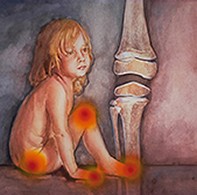
Picture credit: © Carol Donner/Phototake/Diomedia.com
Get full access
Buy this article
Single article purchases are temporarily unavailable due to site maintenance.
If you would like to purchase an article during this time, please email us at [email protected] with the article details and we'll assist you directly. We'll also let you know when online purchasing is available again.
Thank you for your patience and understanding.
Already a subscriber? Login here.