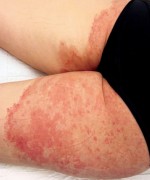
If undiagnosed and untreated, juvenile idiopathic arthritis can cause long-term joint damage and vision loss. Biologic drugs have shown to substantially improve outcomes for patients, particularly in the setting of multidisciplinary care.
Heart failure with preserved ejection fraction (HFpEF) is a highly heterogeneous disease associated with comorbidities and mortality. Sodium-glucose cotransporter-2 inhibitors are now recommended for all patients with HFpEF without contraindications. Patient phenotype profiling of contributing comorbidities can help in tailoring management.
Stephen Touyz, Tanja Rabbering, Natalie Crino, Sarah Maguire
Avoidant/restrictive food intake disorder is a relatively new diagnosis that presents a unique set of challenges in terms of understanding, diagnosing and effectively managing abnormal eating behaviours. GPs play an important role in co-ordinating the care and support of affected individuals.
Rebecca Pearce, Ayushi Chauhan, Sarah Lucas, Mayur Garg
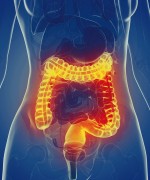
The outlook for patients with ulcerative colitis (UC) has greatly improved with the continuing evolution of treatments and treatment targets, but attention to the physical, social and psychological consequences of UC and its therapy is still needed.
Many travellers suffer from jet lag symptoms but certain measures, including light exposure and avoidance, can be used to avoid these effects. Some of these strategies can be started before the journey.
Cow’s milk protein allergies are common among infants. An exclusion diet can help identify suspected food groups and referral to an experienced paediatric dietitian is recommended to help maintain infant and maternal nutrition.
In BriefClinical news with comment from local experts