This article discusses the latest controversies in vitamin D, weighing up long-established data on vitamin D’s positive effects with recent emerging evidence on its role in everyday clinical practice.
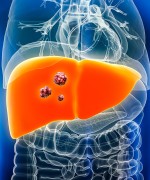
Caught early, hepatocellular carcinoma is potentially curable. There are many areas where GPs can contribute to its prevention, early detection and management.
Karen Birkenhead, Mitchell Sarkies, Samantha Sundercombe, Claire Trumble, Sanjyot Vagholkar, David R. Sullivan
Familial hypercholesterolaemia is a common genetic disorder that leads to premature cardiovascular disease. Screening and cascade family testing in general practice can facilitate early diagnosis and treatment to improve outcomes for those affected.
Irregular menstrual cycles and bleeding among adolescent girls is developmentally normal. The approach to assessment and management is different to that of older women and requires an understanding of normal physiological processes in this younger cohort to avoid unnecessary investigations and anxiety.
Genetic risk-stratified screening for type 1 diabetes can identify at-risk children for targeted ongoing monitoring to virtually eliminate the risk of life-threatening diabetic ketoacidosis at diagnosis and improve immediate and life-long health outcomes.
Body contouring energy devices are popular with patients and consumers in medical and nonmedical settings. This article discusses the key body contouring technologies, including how they work, the main indications for their use and their potential adverse effects.