Anoushka Krishnan, Jaquelyne T. Hughes (Wagadagam), Karen M. Dwyer, Mark Thomas
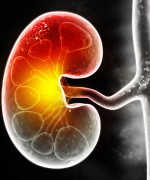
With the incidence of chronic kidney disease (CKD) increasing globally, management requires a holistic approach that includes nonpharmacological and phamacological strategies. Providing culturally responsible care to vulnerable at-risk populations and aggressive pharmacological management of CKD and its associated risk factors can help optimise patient outcomes.
Growth is a marker of overall health and successful feeding in infancy, and establishing feeding helps to support this growth. However, clinical judgement is needed to interpret infant growth and manage feeding challenges. Multidisciplinary feeding support can assist GPs to support parents and in assessing, managing and monitoring infants with feeding issues.
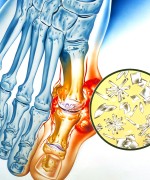
Crystal arthritis is one of the most commonly encountered musculoskeletal presentations in primary care and typically presents as gout and, less commonly, calcium pyrophosphate deposition disease (CPPD). Anti-inflammatory therapies are available for the management of acute gout flares and CPPD, and urate-lowering therapy for long-term gout management.
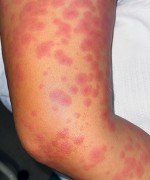
Acne after adolescence is increasingly common in women. These patients may have underlying hormonal abnormalities and may benefit from hormone therapy, in combination with other acne therapies such as topical agents and oral antibiotics.
Adam Ofri*, Rebecca Cui*, Kristen Elstner, Sanjeev Kumar, Sanjay Warrier
Advances such as new systemic therapies, neoadjuvant therapy and oncoplastic surgical techniques have improved outcomes for women with early-stage breast cancer.
Individuals with autoimmune inflammatory rheumatic diseases are at increased risk of infection, which can be prevented with vaccination. GPs are ideally placed to review the vaccination status of these patients and avoid missed vaccination opportunities.
Fezolinetant, a neurokinin 3 receptor antagonist, is a newly approved nonhormonal therapy for menopausal vasomotor symptoms, offering a viable option for women who cannot, or prefer not to, use oestrogen-based therapies.